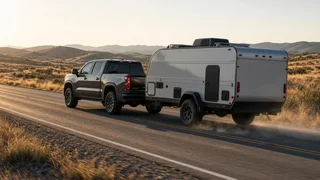
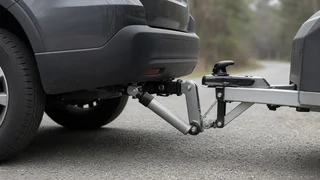
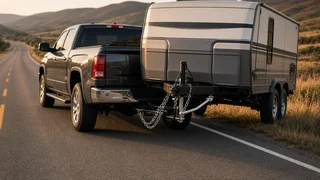
Ford F-150 Trailer Sway Control
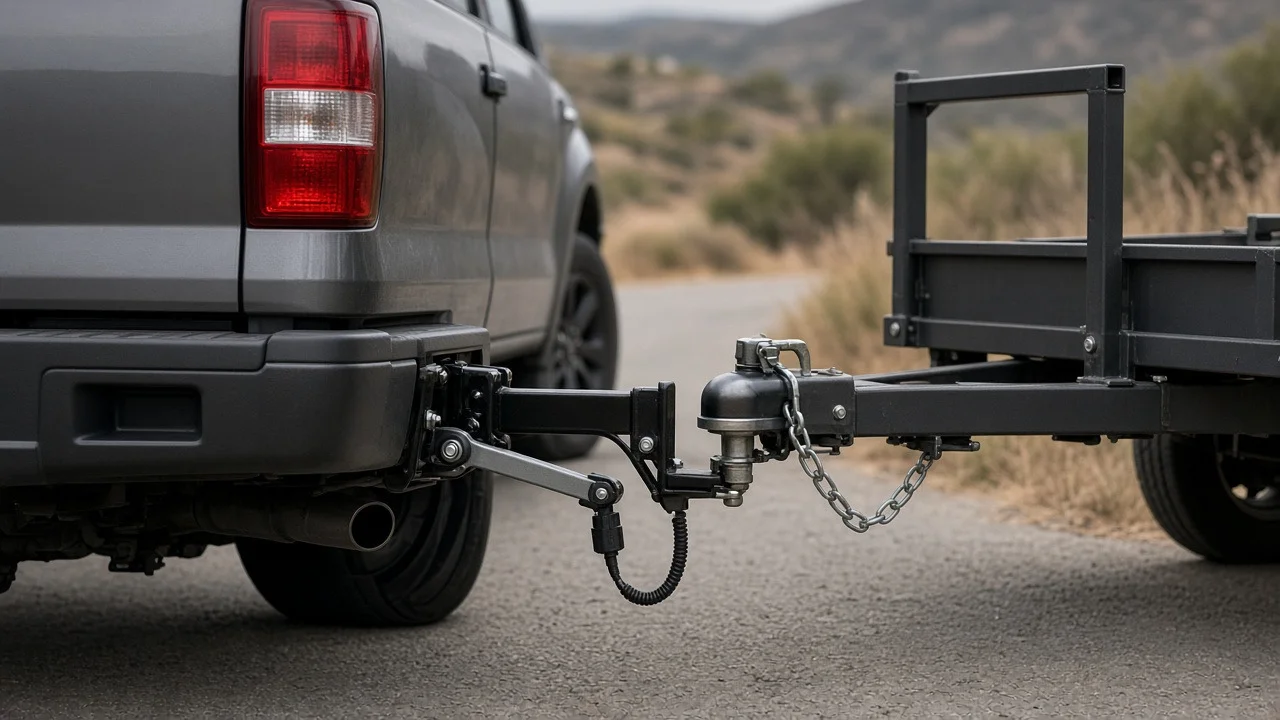
A trailer that begins to sway behind a Ford F-150 turns a stable drive into a rapidly changing steering situation. Trailer sway control is the electronic stability feature designed to detect that side-to-side motion and bring the combination back under control. For owners researching model years such as 2010, 2015, 2017, or 2018, this technology works with the truck's existing brake and stability hardware. Understanding how the system responds, what it can and cannot do, and how proper trailer setup supports it helps make towing decisions clearer.
Essential answer
Ford F-150 trailer sway control is a driver-assist function intended to reduce dangerous lateral trailer movement while towing. It uses the truck's stability sensors to monitor yaw and steering inputs, then applies selective braking and may reduce engine torque when it recognizes a repeating sway pattern. The system is not a substitute for correct trailer loading, appropriate tongue weight, or staying within the truck's payload, gross vehicle weight rating, and combined weight rating. It is a corrective safety net that reacts after sway begins rather than preventing the initial cause of the instability.
The behavior is generally consistent across the 2010, 2015, 2017, and 2018 F-150 generations, but integration with other towing features and the driver information display may differ by configuration. The system's effectiveness depends on the trailer's axle rating, weight balance, and the truck's factory brake controller and stability calibration remaining intact. When the feature intervenes, the driver should recognize the event as evidence that the setup needs adjustment, not as a normal operating condition to repeat on every trip.