Ford 302 Radiator Cap Pressure

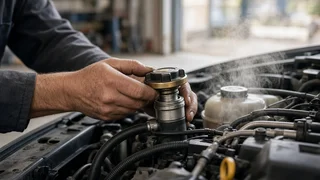
A cooling system operating at the correct pressure is fundamental to engine durability, and the radiator cap is the valve that controls that pressure. For a Ford 302, the cap rating influences boiling point, coolant flow, and how the system handles heat after shutdown. Drivers often see the cap as a simple part, but its sealing and relief functions shape everyday operation. Understanding the appropriate pressure range helps owners avoid overheating symptoms, coolant loss, and inaccurate assumptions when inspecting a small-block Ford cooling circuit.
Essential answer
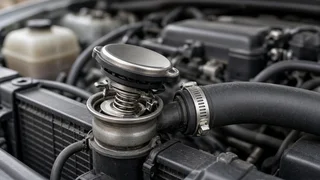
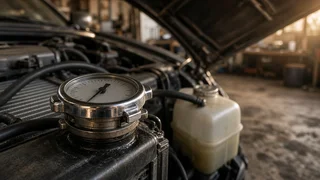
The question about Ford 302 radiator cap pressure points to a rating that allows the cooling system to build controlled internal pressure rather than boil at normal operating temperature. A sealed pressure cap raises the boiling point of the coolant, giving the small-block Ford a safety margin during hard acceleration, towing, or hot idle. The exact factory rating can differ by radiator design, hose routing, and year range, so the cap is best understood as a matched pressure relief component in the cooling circuit rather than a universal value for every 302.
In practice, a higher-pressure cap holds more heat before releasing coolant to the overflow reservoir, while a low-pressure cap may trigger venting sooner after engine shutdown. The radiator, thermostat, coolant concentration, and air pockets all affect how the cap behaves in use. If the cap cannot seal, coolant escapes, the system loses pressure, and the engine may run hotter even when the gauge reads normal. Confirming the correct specification for the specific radiator and neck is the most useful first step when selecting or replacing a pressure cap.