Find the six-vehicle crash on I-94 in Gurnee
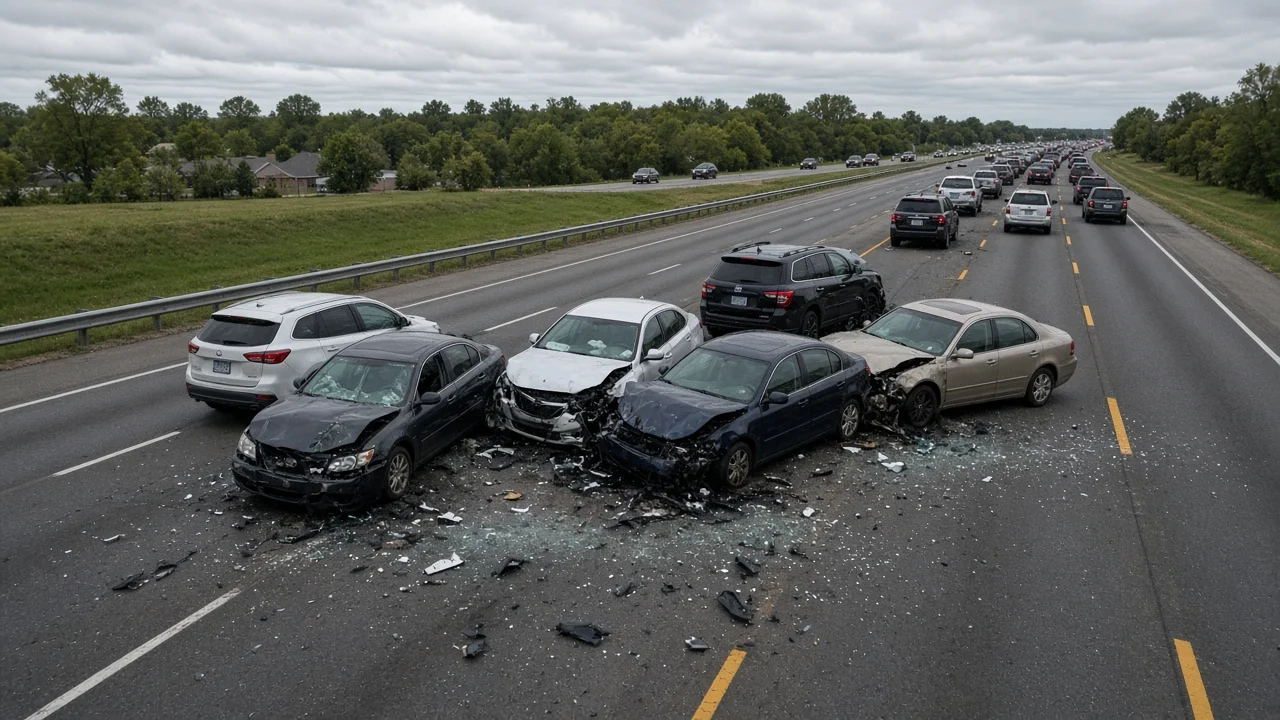
A multi-vehicle incident on I-94 in Gurnee raises immediate questions about location, travel direction, and responsible agency. Highway crash reports often use different descriptions as notice time passes, so early details can change. Readers typically want to know whether the crash affects their commute, which lanes are involved, and how to confirm the reported location. This overview explains how to interpret public advisories and route information when searching for the six-vehicle crash on I-94 in Gurnee, without assuming unconfirmed facts.
Essential answer
The essential answer is that reports of a six-vehicle crash on I-94 in Gurnee describe a highway incident requiring confirmation from the responsible agency, such as state police or a regional traffic management center. Because the measured query returns no confirmed subject evidence, the description cannot be treated as a verified event with exact timing, injuries, or lane closures. The scope is limited to interpreting how such an advisory is normally reported and what a driver should check.
Highway incident notices can shift quickly as responders arrive and clear vehicles. A six-vehicle crash may begin as a general backup alert, then become a specific travel direction or mile-marker update. Without confirmed numbers or dates, the safest interpretation is that the crash requires live verification through official traffic channels. The reader should focus on route number, notice time, and any public advisory that materially changes access to I-94.
Identification and location
Recognizing the correct incident depends on matching the reported location with nearby Gurnee interchanges and landmarks. Travel direction matters because northbound and southbound I-94 can have separate closure points and traffic patterns. The phrase six-vehicle crash on I-94 in Gurnee may circulate before a formal traffic notice includes cross streets, exit numbers, or a mile marker. Comparing those cues helps distinguish one incident from routine congestion or a separate collision.
A public advisory usually identifies the highway, direction, and approximate area, but early social posts can be vague or delayed. Drivers should note the responsible agency, such as the Illinois State Police or a county traffic center, and watch for updates that refine the location. Because manufacturer-dependent codes do not apply here, there is no vehicle diagnosis; the identification task is geographic and time-sensitive rather than mechanical.