Find Detroit DD15 oil capacity
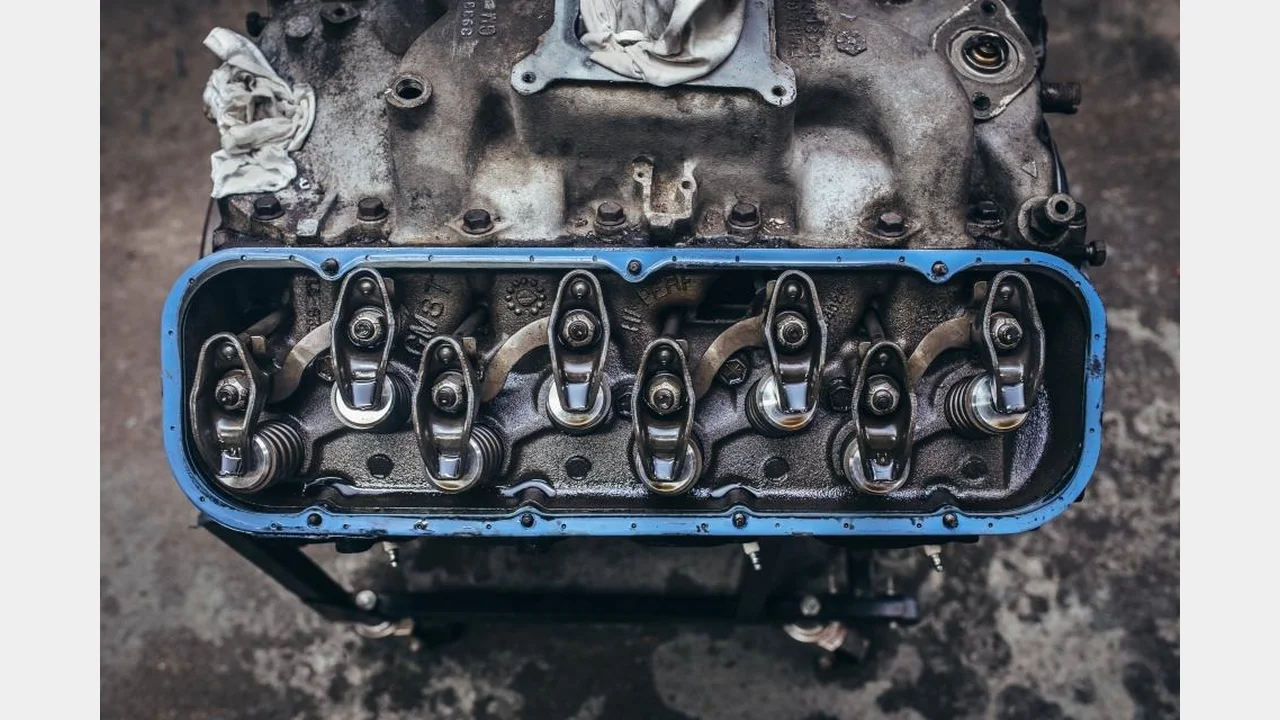
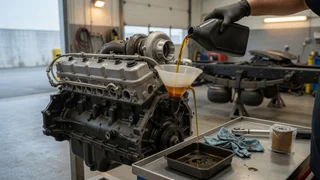
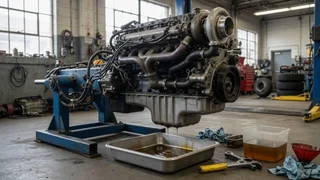
A Detroit DD15 oil capacity question usually comes up right before a lubricant service, when an owner wants the correct fill quantity for a complete drain-and-refill or a top-up after a level check. The DD15 is a heavy-duty inline six-cylinder diesel used in a range of commercial trucks, and the practical lubricant specification depends on chassis configuration, pan design, filter style, and any auxiliary equipment. Without confirmed model-specific documentation, the useful answer is not one universal number. It is a method: identify the exact engine arrangement, verify the dipstick and drain position, use the manufacturer approval for the oil grade, and confirm the fill quantity against the equipment identification plate or operator literature for that vehicle. This avoids overfilling, underfilling, and mistaking a related Detroit engine for the DD15.
Essential answer
There is no single supported Detroit DD15 oil capacity that applies to every truck. The total lubricant volume changes with the oil pan configuration, whether the engine has an oil filter module with a larger housing, and how much retained oil remains in lines or coolers after draining. Because the engine is installed in different vehicle makes and vocations, the owner should treat any widely quoted figure as a starting estimate only and confirm the exact fill quantity for that chassis. The safest procedure is to drain completely, replace the filter, and add oil in stages while checking the level.
The operating principle is that the crankcase must hold enough lubricant to protect the valvetrain, pistons, turbocharger, and bearings under load, while leaving air space for oil return and crankcase ventilation. An incorrect fill quantity can create foaming, aeration, oil carryover, or low-pressure conditions at idle. For that reason, the final dipstick reading after the engine reaches operating temperature is more important than a remembered capacity. The engine should sit level, and the level should be checked according to the manufacturer's documented procedure rather than immediately after shutdown.
Identification and location
Identifying the exact DD15 configuration begins with the engine data plate and vehicle documentation, not with the shape of the valve cover alone. Fleet owners may find application-specific information through the engine serial number, while owner-operators can check the chassis build record or the lubricant service label near the hood or door frame. The oil fill cap location and the dipstick routing can differ between truck manufacturers, and a front-engine power take-off or an auxiliary oil cooler can alter the total fill quantity enough to matter when buying lubricant in bulk.
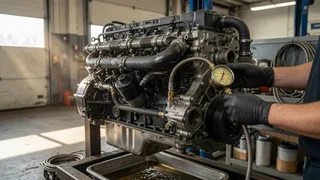
The dipstick and fill tube are the primary level check references. The dipstick usually has a crosshatch or full and add marks, and some installations require the stick to be fully seated before reading. The oil filter housing is a secondary identification clue because a cartridge-style module and a spin-on filter can differ in retained volume. Before draining, compare what is fitted to the documentation for that serial number. If the pan has been changed for a vocational body or ground-clearance requirement, do not assume the standard fill quantity still applies.