Find BMW E83 oil capacity

Questions about the BMW E83 oil capacity usually come from owners preparing for a lubricant service, topping off between changes, or checking whether a used X3 was maintained correctly. The E83 chassis covers multiple engines sold in the US, so a single fill quantity does not apply to every vehicle. Equipment identification is essential because the correct lubricant specification, dipstick or electronic level check procedure, and total fill volume all depend on the installed powertrain. A careful owner should treat capacity as a service value tied to a particular engine configuration rather than as one universal number for the model.
Essential answer
The primary answer is that oil capacity is engine-specific within the E83 range. For example, four-cylinder and six-cylinder gasoline engines use different crankcase volumes, and diesel variants sold outside the primary US market also differ. Because capacity depends on displacement, turbocharging, oil cooler plumbing, and filter housing design, quoting one figure without confirming the engine would be misleading. The correct approach is to use the capacity listed for the exact engine code in the owner’s documentation or on the underhood label, not a generic model-level answer.
Fill quantity also changes slightly with the oil filter. Some oil remains trapped in the filter housing, cooler lines, and cylinder head drains, which is why a dry-fill specification can exceed the amount added during a routine drain-and-refill service. When checking the final level after adding the initial volume, it is normal to make a small correction. The goal is to reach the full mark on the dipstick or the correct electronic reading after the engine has reached operating temperature and has been shut down briefly.
Identification and location
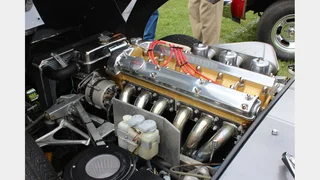
Identifying the exact E83 configuration is the first practical step. The engine code is usually printed on an emissions control label under the hood or can be confirmed by matching the vehicle identification number against a reliable catalog. Visually, the inline six engines have a longer cylinder head and intake arrangement than the four-cylinder units, but trim badges are not a reliable way to distinguish an engine. Confirming the engine code prevents a person from using the fill quantity or oil viscosity intended for a different X3 variant.
On vehicles without a traditional dipstick, the oil level is displayed through the instrument cluster or infotainment system using a sensor in the sump. This measurement requires the vehicle to be parked on level ground and the engine warm. Before interpreting the reading, owners should confirm the test conditions for their specific system because a cold sensor or a steep driveway can produce an inaccurate result. Combining a correct initial fill quantity with a proper level check gives the most dependable verification during service.