BMW car types
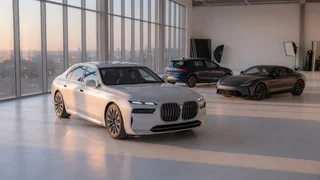
BMW car types can seem confusing at first because the brand organizes its range by body configuration, market segment, and model series rather than by a single simple ladder. Understanding the difference between sedans, coupes, SAVs, and the electric i models helps a shopper compare vehicles more accurately. The term “bimmer car” is common American enthusiast shorthand for a BMW automobile, and it applies across every model type. This overview explains how the lineup is structured so a reader can identify which BMW body style and series match a particular driving need or ownership goal.
Essential answer
BMW car types are organized primarily by body configuration and market segment. The brand offers traditional sedans, two-door coupes, convertibles, wagons, and taller sport activity vehicles, along with a growing range of electric models. Each series number signals a size or role within the lineup, while letters such as i, X, Z, or M add meaning about powertrain, chassis layout, or performance focus. Regional availability can also affect which variants appear in a given model year, so a shopper should treat the series number as a starting point rather than a complete description.
A practical way to approach the range is to think in terms of everyday use. A sedan suits routine commuting and rear-seat access, while a coupe or convertible prioritizes style and a lower roof. X models provide elevated seating and more cargo flexibility, and electric i models shift attention to charging behavior and efficiency. Equipment level changes interior and convenience features without necessarily altering the underlying body type. Checking model year and regional availability is useful because the same series can include several powertrain options and body configurations across different markets.