BMW Car Types: A Practical Guide to the Model Range
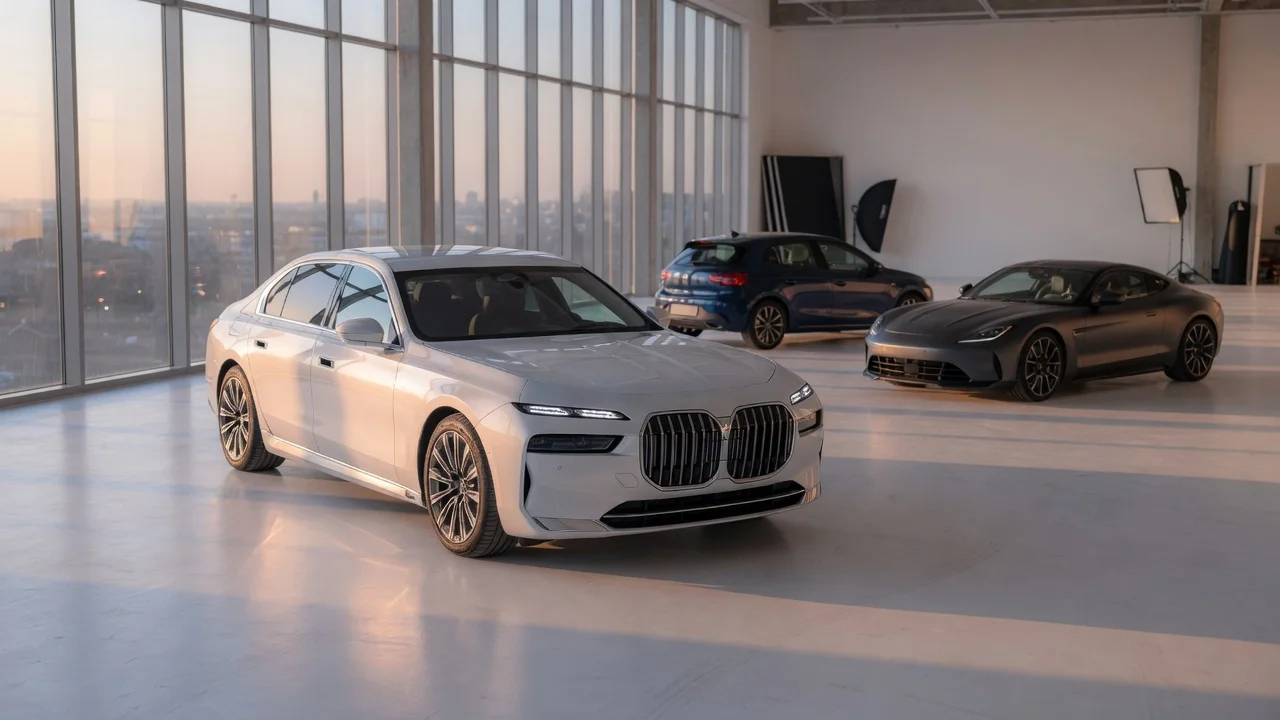
What Are BMW Car Types?
BMW does not organize its range by traditional size classes alone. The brand uses a numbered series system, with odd numbers for four-door sedans and even numbers often assigned to coupes and convertibles. An X prefix indicates a sports activity vehicle, while an i prefix marks an electric model. This structure is qualified by generation and market, so a three-digit badge like 330i or 530e carries information about engine type, performance tier, and sometimes fuel system rather than a simple trim level.
The Core Sedan Series
The classic BMW car types are the 3 Series, 5 Series, and 7 Series. The 3 Series is a compact executive sedan, positioned for everyday usability with rear-wheel drive or all-wheel drive depending on market and trim. The 5 Series moves into the midsize executive class, with more interior space and generally more powerful engine options. The 7 Series is the full-size luxury sedan, where rear passenger comfort, advanced driver assistance, and material quality receive the most emphasis.
The 4 Series exists because BMW split its former 3 Series coupe and convertible variants into a separate even-numbered line. This means a 4 Series Coupe shares its platform and much of its engineering with the 3 Series sedan, but has a lower roofline and two-door body style. The same logic applies to the 6 Series, which historically served as the coupe counterpart to the 5 Series, and the 8 Series, which sits above the 6 Series as a large grand tourer.
The 1 Series and 2 Series
The 1 Series is the entry point for BMW sedans and hatchbacks. In some markets it was sold as a rear-wheel-drive hatchback, while later generations moved to a front-wheel-drive platform. The 2 Series covers smaller coupes and, in some forms, a compact four-door gran coupe. The term bimmer car often appears in owner discussion of these smaller models, where buyers are looking for a lower-cost BMW driving experience without moving into the larger series.
X Models: Sports Activity Vehicles
The X prefix denotes BMW crossover and SUV body styles. The model number after the X gives a rough sense of size and price positioning. The X1 and X2 are compact crossovers. The X3 is a compact-to-midsize SUV that competes directly with vehicles like the Audi Q5 and Mercedes-Benz GLC. The X5 is a midsize luxury SUV, and the X7 is a three-row full-size model. The X4 and X6 are coupe-style SUVs with sloping rear rooflines, sacrificing some cargo height for a sportier silhouette.
The X models generally share engines and interior technology with the equivalent sedan series. An X3 and a 3 Series often have overlapping powertrain choices, infotainment systems, and driver assistance packages. The main difference is ride height, body structure, and available all-wheel drive. BMW names many X models with xDrive, which is the brand's all-wheel-drive system, though rear-wheel-drive versions have existed in some series and markets.
Electric and Electrified BMW Types
BMW uses several naming patterns for electrified vehicles. The i3 and i8 were early dedicated electric and plug-in hybrid models with distinctive construction. More recently, the i4, i5, and i7 are electric versions of the 4 Series Gran Coupe, 5 Series, and 7 Series. The iX is a dedicated electric SUV, separate from the X3 or X5 design. Plug-in hybrid versions of conventional models carry an e suffix in the badge, such as 330e, 530e, or X5 xDrive45e.
The badge does not always state the full powertrain story. A 330e is a plug-in hybrid based on the 3 Series, while a 330i is gasoline-powered. The i prefix can mean a fully electric model, but in older gasoline model names the letter i at the end stands for fuel injection, as in 325i. This creates a documented naming overlap that can confuse used-car shoppers. Checking the year and checking whether a charging port is present resolves the uncertainty.
M Models and M Performance Versions
The M division produces high-performance BMW car types. Full M models include the M2, M3, M4, M5, M8, and X3 M, among others. These cars receive chassis, engine, and brake upgrades beyond the standard series. The model names do not follow a simple displacement formula in later generations. For example, the M3 has used both inline-six and, in some generations, V8 engines, so the badge alone does not determine engine size.
BMW also sells M Performance vehicles that sit between standard models and full M cars. These have M-lite names such as M240i, M340i, or X3 M40i. They include sport suspension tuning, more powerful engines, and M-specific styling elements, but are not developed as full M products. This distinction matters when comparing a used M340i with an M3, because the price, ride comfort, and maintenance expectations differ materially.
Gran Coupe and Gran Turismo Body Styles
Some BMW series include a Gran Coupe variant. This is a four-door model with a lower, coupe-like roofline. The 4 Series Gran Coupe and 8 Series Gran Coupe are examples. They are styled differently from the equivalent sedan but offer similar passenger capacity. The Gran Turismo designation has been used for hatchback-like versions of some series, such as the 3 Series Gran Turismo and 6 Series Gran Turismo, which provide more rear headroom and cargo space than the standard sedan or coupe.
Not all body styles are offered in every market or generation. The 3 Series wagon, known as the Touring in many regions, has been sold in diesel, gasoline, and high-performance forms. The 5 Series Touring serves a similar purpose in the midsize class. Availability of wagons, hatchbacks, and specific engine variants varies by country, so a buyer should confirm what was originally sold in their market when shopping used cars.
How to Read a BMW Badge
A badge like 430i xDrive contains three main pieces of information. The first digit, 4, identifies the series and general body type. The second and third digits, 30, historically referenced engine displacement but now usually indicate a power output tier. The letter i means gasoline fuel injection. The xDrive suffix means all-wheel drive. A sDrive suffix indicates rear-wheel drive or, in some front-wheel-drive models, front-wheel drive. The letter d in models like 320d means diesel, and e in models like 530e means plug-in hybrid.
The numbering is not a reliable guide to engine liters in modern models. A 330i does not have a 3.0-liter engine in all generations. BMW changed its naming logic as turbocharging and power output tiers became more important than raw displacement. This is a documented shift that affects how used-car listings should be read. The clearest way to verify a car is to check the model year and the specific engine code listed on the vehicle documents or under-hood label.
Choosing a BMW Type
For a single driver or small household prioritizing handling, the 2 Series or 3 Series is the practical starting point. The 2 Series Coupe is the smaller, lighter choice, while the 3 Series sedan offers more rear seat and trunk space. Buyers needing more interior volume without moving to an SUV generally consider the 5 Series. Those carrying third-row passengers more than occasionally look to the X7, because no current 5 Series or 7 Series sedan offers a third row.
The X3 and X5 are the most common BMW SUV choices. The X3 is easier to park and generally less expensive to buy and run. The X5 offers more passenger room, a larger cargo area, and a wider range of engines in many markets. People who want the look of an SUV but prefer a lower rear roofline choose the X4 or X6. The trade-off is reduced cargo height and sometimes less rear visibility, which is a design consequence rather than a measurable reliability issue.
Electric buyers comparing the i4 and iX should note that the i4 is based on the 4 Series Gran Coupe platform adapted for electric power, while the iX is a dedicated electric SUV platform. Both offer long electric range in higher trims, but their interior dimensions and driving positions differ. The i5 and i7 serve buyers who want electric power in traditional sedan formats. Range and charging speed vary by battery option and model year, so those specifications need confirmation for the exact variant under consideration.
Material Gaps and Verification
This guide covers the model type structure and naming logic, not specific reliability ratings, exact cargo volumes, or current pricing. Those figures change by generation, market, and optional equipment. Buyers should verify engine type, drivetrain, battery size for electric or plug-in hybrid models, and body style from the seller's documents or the build sheet. The badge gives a starting point, but it does not replace a physical inspection or a check of the original specification.