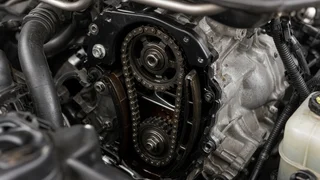
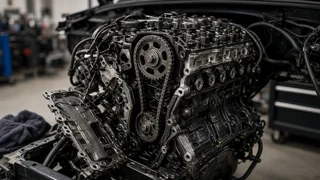
FA20 Timing Chain
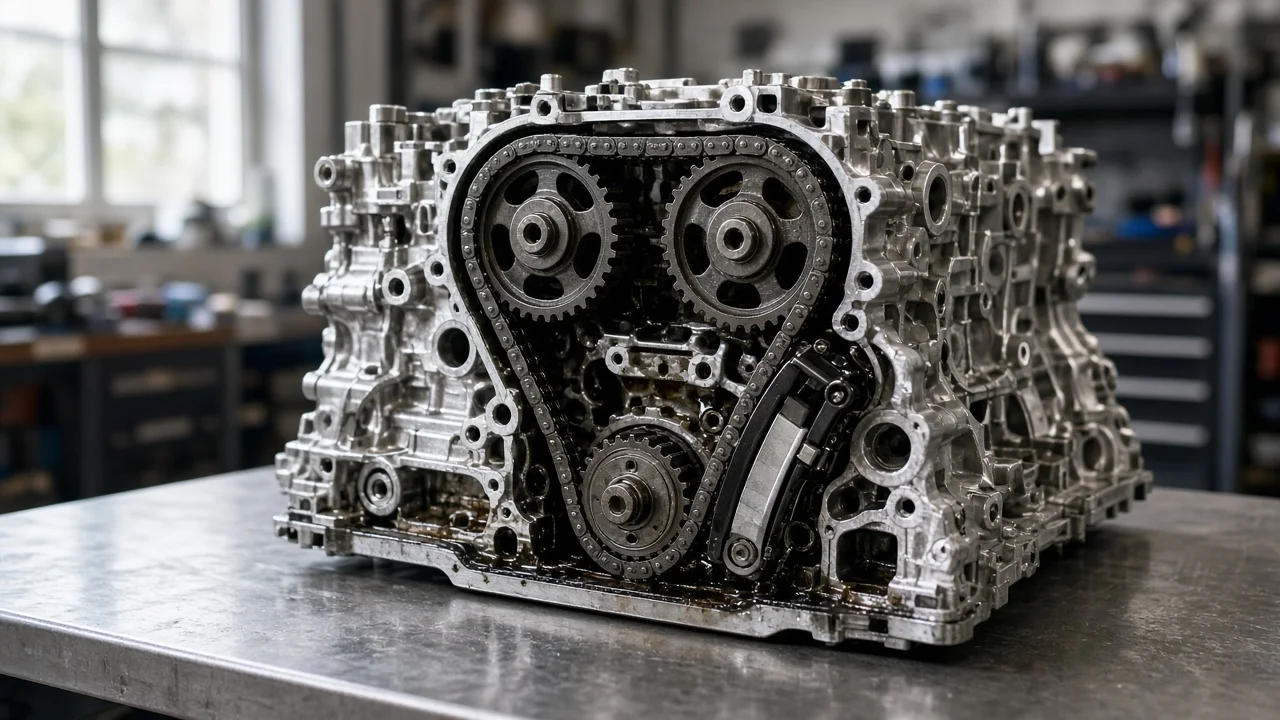
The FA20 engine timing chain is the precision-linked component that synchronizes the crankshaft and camshafts, controlling valve events across the combustion cycle. Unlike a rubber belt, this metal chain is designed to remain inside the front timing cover for the long term, but it is not immune to wear. Understanding its function, service history, symptom conditions, and manufacturer specifications helps distinguish normal operating noise from the early mechanical signs of a stretched chain, worn guide, or failing tensioner before deeper engine damage occurs.
Essential answer
The FA20 timing chain is a critical internal engine part that coordinates the bottom-end rotating assembly with the valvetrain. It transfers motion from the crankshaft sprocket to the intake and exhaust camshaft sprockets, keeping piston travel and valve opening separated by a precise margin. Because the FA20 is an interference engine configuration, a severe loss of this synchronization can allow valves and pistons to occupy the same space, causing extensive mechanical damage. The chain runs against plastic or nylon guides and is kept taut by an oil-pressure-assisted tensioner.
Diagnosis begins with an inspection guided by symptom conditions rather than assuming the chain has failed at a specific distance. A fault code, such as one referencing camshaft position correlation, is evidence to interpret, not proof that the chain needs replacement; manufacturer-dependent codes require vehicle-specific confirmation. Diagnostic codes may also point to a faulty sensor or an actuator issue. A rough idle, metallic rattle on cold start, or loss of power suggests checking timing correlation, while a complete no-start with clear valvetrain noise often signals that the mechanical link has already let go.