EV Charging Cable Size and Specifications
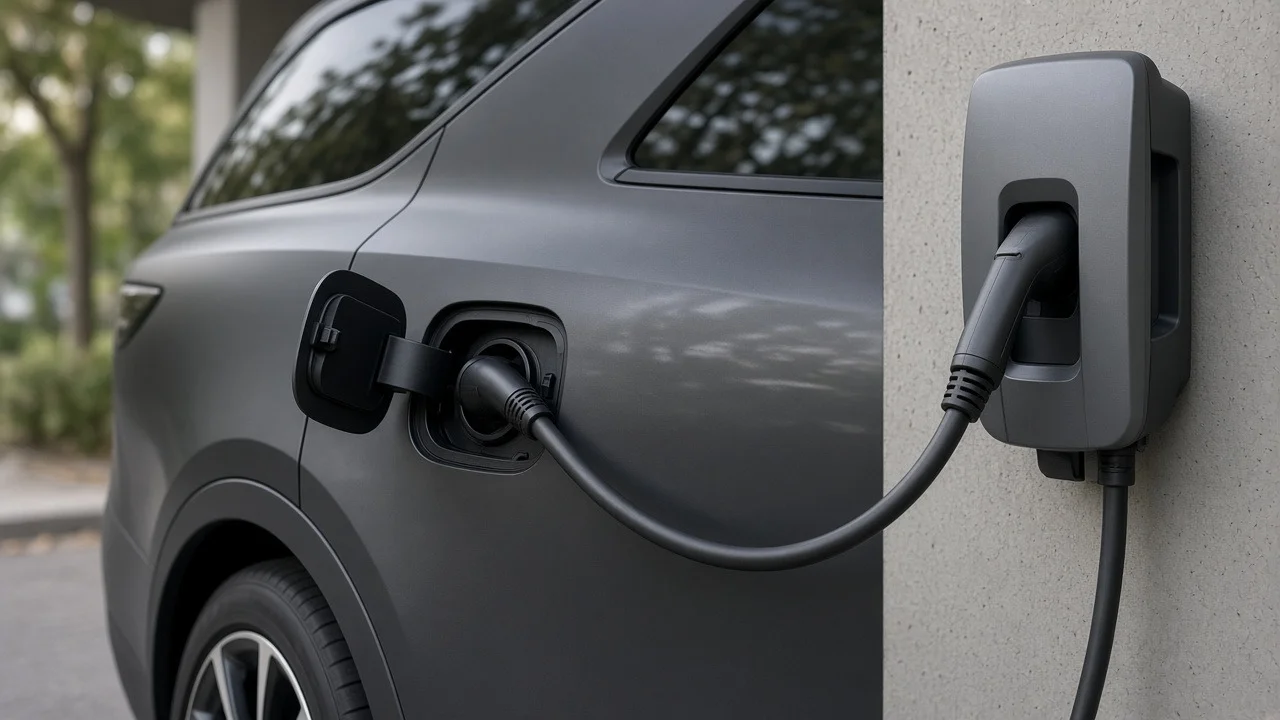
Choosing the right EV charging cable is about matching the conductor size, connector standard, and cable rating to the charging power your vehicle and supply equipment can actually support. Charging cable diameter is not just a physical convenience; it affects heat buildup, flexibility, and long-term durability under repeated use. A cable that is too small for the available current can overheat, while an unnecessarily large conductor may be heavy and awkward. The correct specification starts with the charging current, cable length, installation conditions, and the vehicle’s onboard charger limits.
Essential answer
The EV charging cable size must be selected for the continuous current the charging session will draw, not the connector’s theoretical maximum. Higher charging power requires a larger conductor cross-sectional area to keep resistance low and limit temperature rise during long charging periods. In everyday terms, a cable rated for a lower amperage should not be used on a circuit or charging station that delivers more current, because the extra heat can degrade insulation and cause the connector to become warm at the vehicle inlet or plug.
The overall cable diameter depends on the conductor gauge, insulation thickness, shielding, and the number of power and signal conductors inside the jacket. Cables for DC fast charging are typically thicker and less flexible than portable AC charging cords because they carry more current and include heavier cooling or shielding layers. Before buying a replacement or extension cable, confirm that the connector standard matches the vehicle inlet and that the cable’s continuous current rating equals or exceeds the charging equipment’s output.
An EV charging cable specification covers more than diameter. It includes the rated voltage, maximum continuous current, connector types on each end, cable length, and whether the assembly is designed for indoor or outdoor use. The charging protocol and connector standard determine which control and communication wires are present, while the power conductors dominate the physical thickness. A cable built to a recognized standard is tested for repeated flexing, chemical exposure, and temperature extremes that a charging cord can encounter in a garage or driveway.
Vehicle compatibility matters because an otherwise correct cable can be unusable if the plug does not fit the car’s charging port or the charge controller does not recognize the cable’s pilot signal. Supply capacity is equally important: the wall outlet, circuit breaker, and wiring feeding a charger must support the current the cable is rated to carry. Energy consumption over a long session makes conductor heating a practical concern, so the cable should remain comfortably warm, never hot, at the expected charging current.
When asking what size cable for EV charging, the practical answer starts with the charging station’s current setting and the distance between the power source and the vehicle. Longer cables may require a larger conductor to avoid voltage drop that can reduce charging efficiency and generate extra heat. A cable that is just long enough reduces the temptation to coil excess cord tightly during charging, which can trap heat. A loose coil or full extension is safer when the cable is warm.
A cable with a larger conductor cross-section can usually handle more charging power, but it will also be heavier and less convenient to store. Portable cables sold with many EVs balance adequate ampacity with everyday handling. If the original cable is damaged or lost, a replacement should use the same or larger conductor size without changing the connector type. Matching the specification to the vehicle’s onboard charger and the available supply avoids the risk of a cable that works briefly but becomes a long-term heat problem.
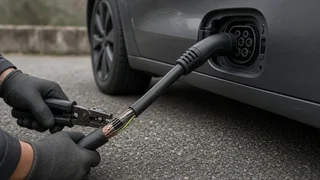
The connector standard built into the cable determines how the vehicle and charger communicate before and during the session. The pilot and proximity circuits inside the cable let the onboard charger know the maximum current the cable can safely carry, so the vehicle can limit charging power automatically. A cable with damaged signal wires may still pass high voltage, but the safety communication may be unreliable, which is why a cable with cracked insulation or loose connector housings should be replaced rather than repaired with tape.
The charging protocol also influences the cable’s construction because AC and DC systems use different connector pin arrangements and cooling needs. DC fast charging cables are often liquid-cooled or have larger conductors to manage very high power, making them noticeably thicker and stiffer than home AC cables. Understanding this distinction helps explain why diameter alone is not a complete performance guide: two cables that look similar can have very different voltage ratings and current capabilities.