Engine oil for Polaris Sportsman 90
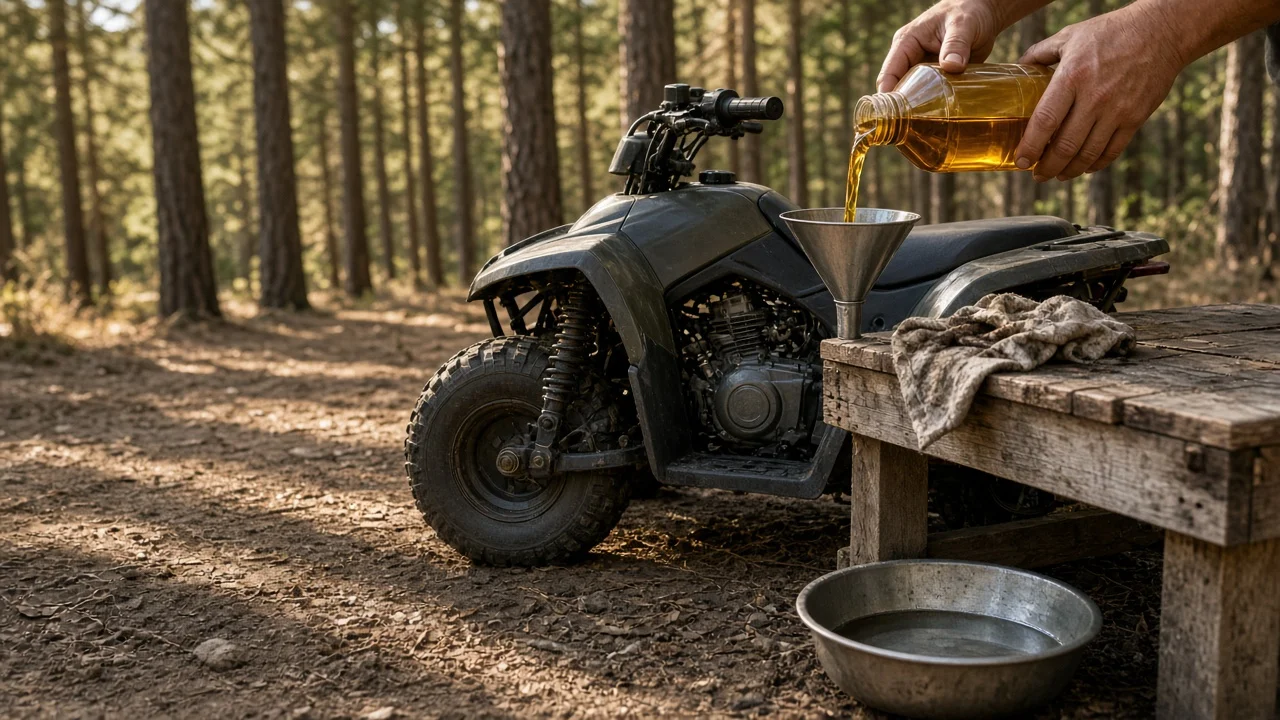
Selecting engine oil for a Polaris Sportsman 90 means matching the lubricant to a small-displacement, air-cooled four-stroke engine that often works hard at low speed. The right choice supports clutch operation, heat control, and cold starts without overcomplicating the service. While the machine is compact and simple compared to full-size ATVs, the fill quantity is small, so a modest error in viscosity or level can have an outsized effect on performance and wear. The following guidance addresses lubricant specification, level checks, and service intervals in practical terms for owners maintaining this youth-oriented model.
Essential answer
The Polaris Sportsman 90 requires a high-quality four-stroke engine oil that matches the manufacturer’s viscosity guidance for the expected riding temperature. Because the engine is small and air-cooled, the oil serves as both a lubricant and a significant path for heat transfer away from hot internal surfaces. A lubricant specification commonly suited to this type of engine is an SAE 10W-40 or similar multi-viscosity motorcycle or ATV oil, provided it meets the owner’s manual requirement. Avoid automotive oils with friction modifiers that can interfere with a wet clutch, unless the specific product carries the appropriate manufacturer approval for use in a shared engine and transmission sump.
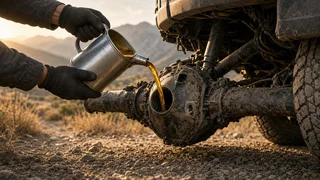
Interpreting the oil-related wording for this model requires attention to the shared-sump design. The same oil lubricates the piston, cylinder, valvetrain, and transmission components, so the fluid must balance engine protection with the friction needs of the clutch. A level check should be performed with the machine on level ground and the dipstick wiped clean before reading, as the small fill quantity magnifies the difference between a low mark and an overfilled condition. For riders repeatedly asking what oil to use, the practical answer is not a single brand but a lubricant class: a JASO-rated four-stroke ATV oil in the viscosity range printed by Polaris for local conditions.
Owners should also separate routine service from fault diagnosis. If the oil level drops quickly or appears milky, the fluid is providing evidence of consumption or coolant intrusion, not proving a specific part has failed. The service interval for this type of youth ATV is often shorter than for larger machines because the engine may run at high rpm relative to its displacement and cool less efficiently. Sticking to the factory interval and checking the level before each ride is more important than chasing exotic lubricant upgrades. A clean, correct-volume fill with the proper lubricant specification supports predictable starting, clutch engagement, and long-term cylinder and bearing life.