Engine damage from low oil pressure
The short answer
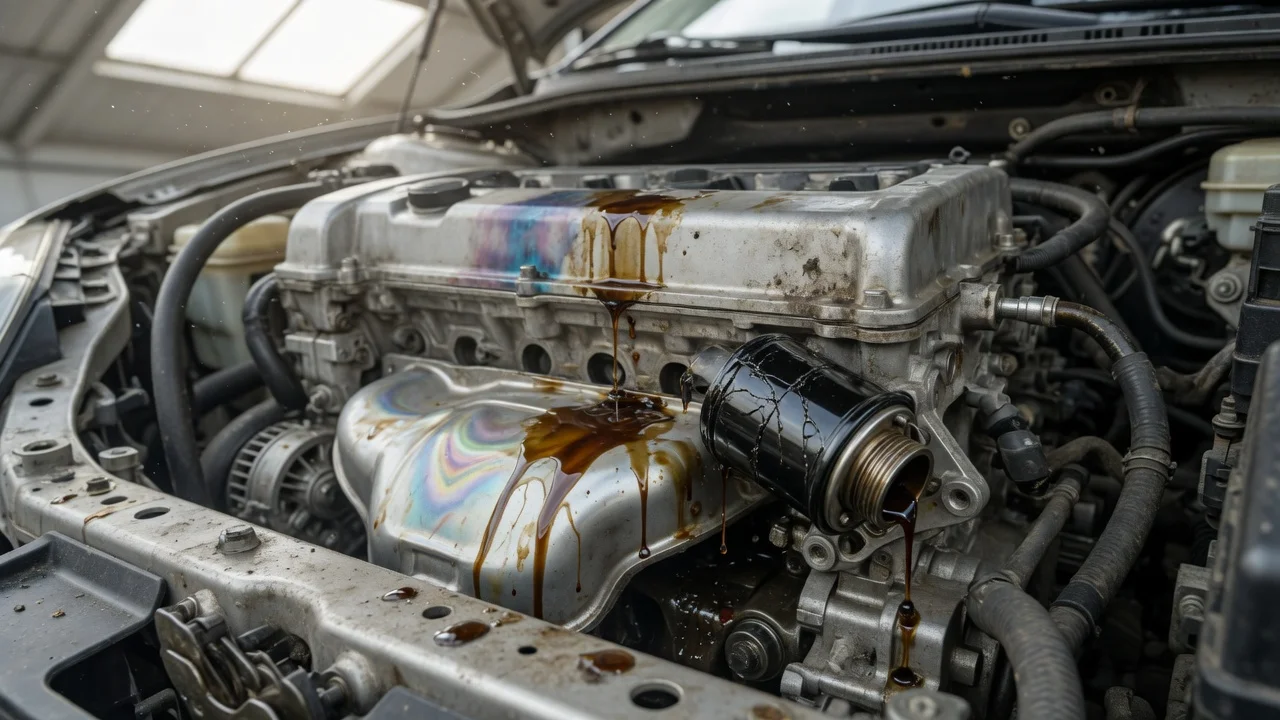
Low oil pressure can seriously damage an engine, and running an engine with too little pressure for long enough can destroy it. Oil pressure is what pushes lubricant into the tight clearances between moving metal parts. When pressure falls too low, those parts can lose their protective oil film and begin rubbing directly against each other, causing rapid wear, overheating of the contact surfaces and, in the worst case, seizure.
The key qualification is that damage is not automatic or uniform. How much harm occurs depends on how low the pressure drops, how long the engine keeps running, and how hard it is working at the time. A brief flicker at idle is a different situation from sustained low pressure under load. A low reading can also come from a faulty sensor rather than a real loss of pressure, which is why the cause needs to be confirmed rather than assumed.
Why oil pressure matters
Many critical engine components, such as crankshaft and connecting rod bearings, are plain bearings. They have no balls or rollers; instead, the shaft rides on a thin, pressurized wedge of oil. This is called hydrodynamic lubrication, meaning the motion of the shaft and the supply of oil under pressure keep the metal surfaces separated. If the supply pressure is inadequate, that film can thin or collapse, and metal-to-metal contact begins.
Oil pressure is not the same thing as oil level. An engine can be low on oil and lose pressure as a result, but pressure can also fall with a normal oil level if the pump, pickup, filter or internal clearances have a problem.
Components most at risk
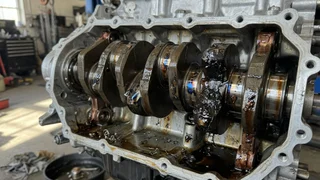
Crankshaft main and rod bearings: often the first major casualties. Wear can progress to a knocking sound, a bearing shell that spins in its housing, or a seized crankshaft. Camshaft journals and valvetrain parts: these depend on oil delivered to the top of the engine and can scuff or wear when supply is poor. Hydraulic lifters or lash adjusters, on engines that use them: these rely on oil pressure to function and may become noisy or stop working correctly. Variable valve timing systems, on engines so equipped: many use oil pressure to move the camshaft phasers, so low pressure can cause faults as well as wear. Timing chain tensioners, on engines with oil-fed hydraulic tensioners: low pressure can allow chain slack and noise. Turbocharger bearings, on turbocharged engines: turbochargers spin at very high speed on an oil supply from the engine and are vulnerable to oil starvation.
Which of these apply depends on the specific engine design. Not every engine uses hydraulic lifters, variable valve timing, oil-fed chain tensioners or a turbocharger.
Common causes of low oil pressure
Low oil level, from leaks, oil consumption or overdue top-ups. Oil of the wrong viscosity for the engine, or oil that has degraded from extended service intervals. A restricted oil pickup screen or clogged filter, for example from sludge. A worn or failing oil pump, or a faulty pressure relief valve. Worn engine bearings, which increase internal clearances and let oil escape more easily, lowering pressure. A faulty oil pressure sensor or wiring, which can trigger a warning without any actual loss of pressure.
Signs that damage may already have occurred
Warning signs include an oil pressure light or gauge reading that stays low, ticking or tapping from the top of the engine, and a deeper knocking from the lower engine that often rises with engine speed. Metallic particles found in drained oil or in the filter can also point to bearing wear. None of these signs alone proves the extent of internal damage; confirming it generally requires a mechanical pressure test with a gauge and, where wear is suspected, inspection of the bearings.
What to do if the oil pressure warning comes on
Pull over as soon as it is safe and switch off the engine. Wait briefly for the oil to drain back, then check the level on the dipstick or the vehicle's electronic oil level display. If the level is low, top up with the oil type specified in the owner's manual and see whether the warning clears after restarting. If the level is correct but the warning stays on, or if the engine is making knocking or tapping noises, do not continue driving. Arrange for the vehicle to be towed and inspected. Have the actual pressure verified with a mechanical gauge to distinguish a real fault from a faulty sensor.
Limits of this guide
Normal and minimum acceptable oil pressure values vary by engine, oil temperature and engine speed, and no model-specific specifications were available for this article. The correct figures for a particular vehicle should come from the manufacturer's service information. Likewise, it is not possible to state a general time limit for how long an engine can run on low pressure before damage occurs, because that depends on the engine and the operating conditions. The safest approach is to treat a persistent low oil pressure warning as a reason to stop the engine promptly.