Emergency Trunk Release Handle
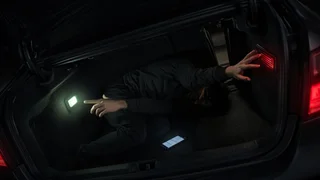
A trunk that darkens around you is unsettling, but modern sedans carry a dedicated safeguard: the emergency trunk release handle. This interior control is designed for the rare moment when someone is trapped in the cargo area and cannot open the lid from outside. Understanding how this mechanism works, where it is located, and how it differs from the standard latch can help you react clearly in an urgent situation and recognize whether a used vehicle has this important safety feature.
Essential answer
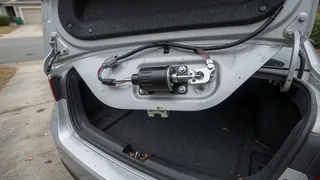
The emergency trunk release handle is a manually operated interior control that lets a person open the trunk lid from inside the enclosed cargo space. Unlike the primary latch, which is normally operated by a key fob, an exterior button, or a cable from the cabin, this secondary release is positioned within reach of someone inside the trunk. It is usually a glow-in-the-dark T-handle or pull cord connected to the latch mechanism by a dedicated cable, and it functions even when the vehicle is locked or electrical power is unavailable.
This handle is distinct from the power actuator that unlatches the lid during normal use. When the handle is pulled, it moves the release lever at the latch directly, bypassing solenoids and electronic controls. That mechanical connection matters because an emergency situation may involve a dead battery, a locked car, or a failed remote transmitter. The feature is intended to provide a reliable escape path for children or adults who become trapped, making it a critical safety consideration alongside the trunk’s hinge, strut, and weather seal design.