Electronic Trailer Sway Control in Trucks
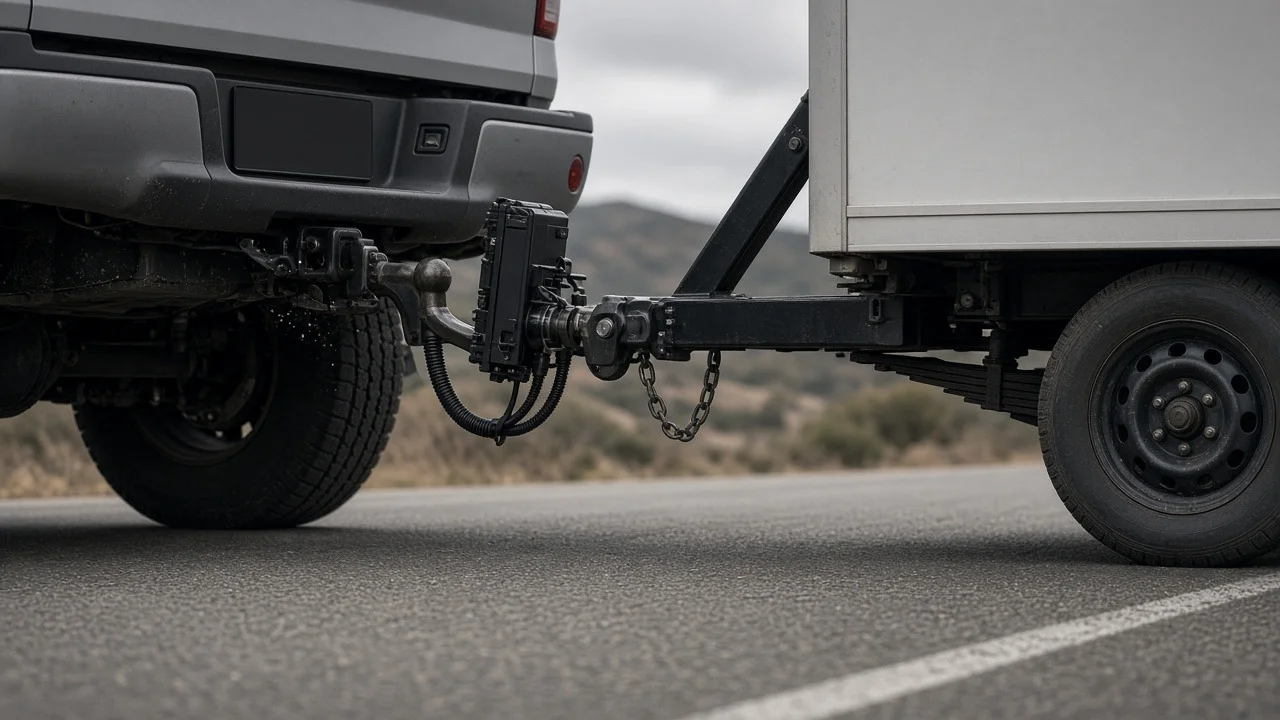
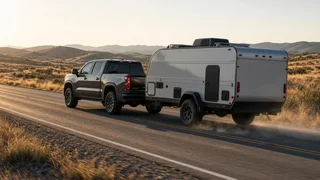
Electronic trailer sway control helps a truck recognize and reduce the side-to-side yaw that can develop when a trailer begins oscillating behind the tow vehicle. Rather than relying only on driver correction, the system uses the truck’s stability hardware to apply selective braking and manage torque. The goal is to bring the combination back into line before the motion grows. Understanding this function is useful when comparing towing behavior across half-ton pickups and midsize trucks, including how active trailer sway control reacts during real-world highway and crosswind events.
Essential answer
Electronic trailer sway control is a stability feature integrated into the truck’s braking and traction systems. It monitors yaw, steering angle, and wheel-speed signals to detect the repeating lateral pattern associated with trailer sway. When the motion exceeds an expected threshold, the system responds by applying individual wheel brakes and reducing engine torque. This counteracts the oscillation and helps the driver maintain directional control. The behavior is automatic and may occur without a separate trailer brake controller in some configurations.
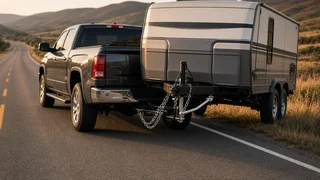
On trucks such as the Ford F-150, Ranger, and Ram 1500, sway control generally operates as part of the electronic stability control program. The feature is not a replacement for correct trailer loading or proper tongue weight. A trailer that is poorly balanced, over its axle rating, or pushing the combined weight rating outside the truck’s specification can excite motion faster than the correction strategy can manage. The system works best when the trailer is within the vehicle’s payload and gross vehicle weight rating for the chosen configuration.