Duramax Oil Pressure Problems: Causes, Checks and When to Stop Driving
The Short Answer
Oil pressure trouble on a Duramax diesel usually falls into one of two groups. The first is a reporting problem, where the engine has adequate pressure but the sensor, wiring or connector sends a false reading to the gauge or engine computer. The second is a real lubrication problem, where pressure is actually low because of low oil level, the wrong or degraded oil, a restricted filter or pickup, a worn or failing oil pump, or internal engine wear. The first group is an inconvenience. The second can destroy an engine quickly.
Because you can't tell the two apart from the dash display alone, the practical rule is to treat a low-pressure warning as real until you prove otherwise. Check the oil level first. If the reading stays low, the warning light stays on, or the engine makes new noises, stop driving and confirm pressure with an independent mechanical gauge before blaming the sensor.
Which Engines This Covers
Duramax refers to GM's family of diesel engines used mainly in Chevrolet Silverado and GMC Sierra pickups and some commercial vans. It includes several generations of the 6.6-liter V8, commonly known by the engine codes LB7, LLY, LBZ, LMM, LML and L5P. It also includes the newer 3.0-liter inline-six, known as the LM2 and LZ0, which is used in light-duty pickups and some SUVs.
These engines differ in sensor design, oil pump drive, oiling layout, gauge behavior and factory pressure specifications. The general diagnostic logic below applies across the family. Specific pressure values, sensor locations, part numbers and any service bulletins depend on the model year and engine code. No verified specification data was available for this article, so confirm normal pressure ranges and test procedures in the factory service information for your engine.
Symptoms That Point to an Oil Pressure Problem
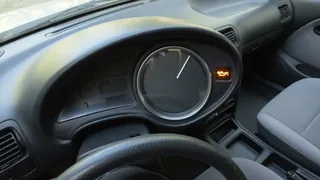
A low oil pressure warning light or driver information center message; A gauge reading lower than usual for the same temperature and engine speed; A gauge that drops to zero, jumps to maximum, or swings rapidly without any change in driving; A stored fault code related to the oil pressure sensor or circuit; New ticking, knocking or rattling noises, especially at startup or under load; An oil level that drops between changes, or oil that looks thin, foamy, milky or smells of fuel
Erratic or impossible readings, such as instant jumps between zero and maximum with no change in engine sound, often point toward the electrical side. A gradual decline, low readings that get worse when the engine is hot and idling, or low readings paired with noise point more toward a genuine pressure loss.
Stop Driving If You See Any of These
The low oil pressure warning illuminates while the engine is running and the oil level is low or unknown; The gauge reads low or zero and the engine begins knocking, ticking or running roughly; Oil is visibly leaking, or the dipstick shows no oil on it; The oil appears milky or smells strongly of diesel fuel; The warning comes back immediately after you top off the oil
In these situations, shut the engine off as soon as it is safe and don't restart it to see whether the warning returns. Each restart with inadequate lubrication risks bearing, crankshaft and turbocharger damage. Towing the truck to a qualified diesel technician costs far less than an engine replacement.
Step 1: Check the Oil Level and Condition
Park on level ground, shut the engine off, wait the time recommended in the owner's manual for oil to drain back, and check the dipstick. Low oil level is the simplest explanation for low pressure, especially on a truck that tows, idles a lot or is overdue for service. If the level is low, top it off with the oil grade the owner's manual specifies, then find out where the oil went, whether through a leak, consumption or a component such as the turbocharger.
Look at the oil too. Oil that is above the full mark, thin, or smells of fuel may be diluted with diesel fuel, which lowers viscosity and can reduce pressure. Milky or tan oil may indicate coolant contamination. Either finding calls for professional diagnosis, because the underlying cause, such as an injector, regeneration-related, head gasket or cooler problem depending on the engine, needs repair before the oil change will hold.
Step 2: Confirm the Correct Oil and Filter
Using an oil viscosity or specification other than what GM lists for your engine and climate can change pressure readings, particularly when the engine is hot. An incorrect, low-quality or damaged oil filter, or a filter left in service too long, can also affect oil flow. If the problem appeared shortly after an oil change, verify what oil and filter were installed and that the filter was fitted correctly with its seal in place.
Step 3: Read and Interpret Fault Codes
Scan the engine computer with an OBD-II reader. Generic oil pressure codes include P0520 (sensor or switch circuit), P0521 (sensor range or performance), P0522 (sensor circuit low) and P0523 (sensor circuit high). GM may also set manufacturer-specific codes, and code definitions and setting conditions can vary by model year.
A code tells you what the computer saw, not which part failed. A circuit high or low code suggests an electrical fault, such as an open or shorted wire, a corroded or loose connector, or a failed sensor, but a range or performance code can be set by genuine low pressure as well as by a faulty sensor. Use the code to guide testing, not as a reason to buy parts.
Step 4: Inspect the Sensor Wiring and Connector
With the engine off, locate the oil pressure sensor for your engine using the service information and inspect the connector and harness. Look for oil inside the connector, green or white corrosion, bent or pushed-out terminals, chafed insulation, and wiring that rubs against brackets or hot components. A scan tool that shows live data lets you watch the reported pressure while gently moving the harness. A reading that jumps when you move the wiring points strongly to a connection fault rather than a lubrication problem.
Step 5: Verify Actual Pressure With a Mechanical Gauge
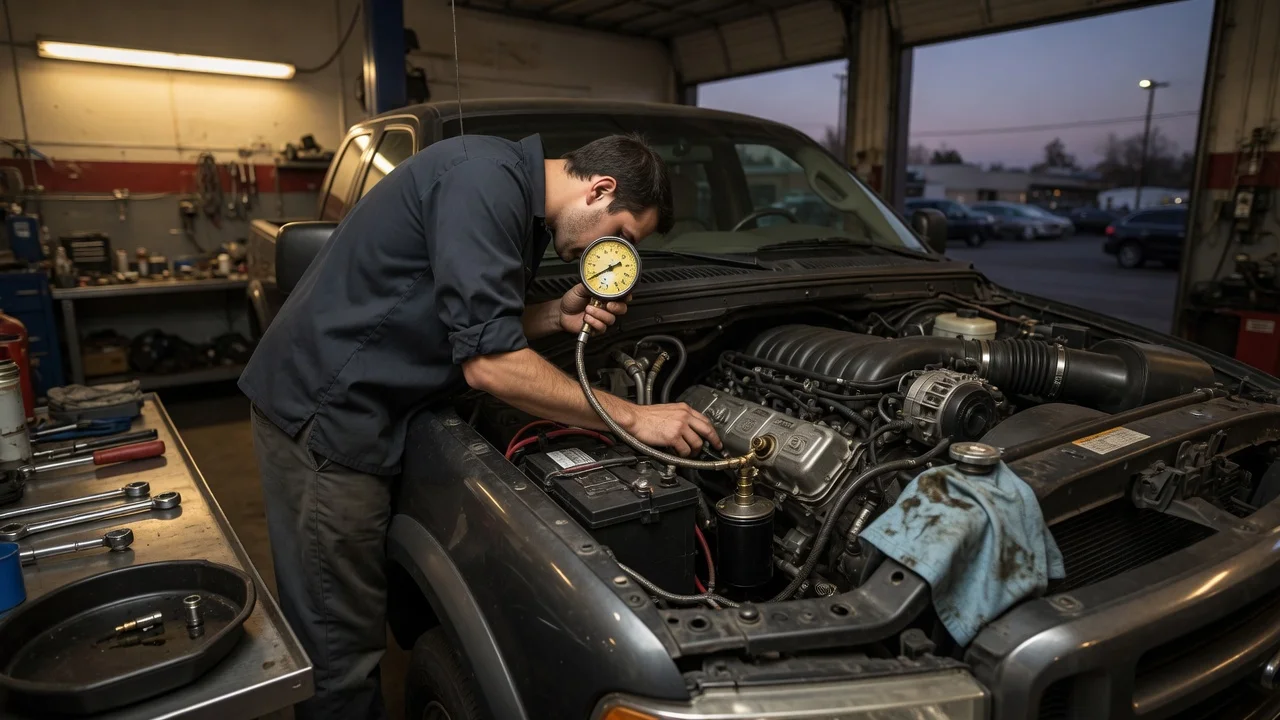
This is the step that separates a sensor problem from a real engine problem. A technician temporarily installs a calibrated mechanical gauge at the sensor port or another approved test point and compares its reading with the factory specification at the stated temperature and engine speed. If the mechanical gauge shows normal pressure while the dash shows low or erratic readings, the fault lies in the sensor, wiring or instrument circuit. If the mechanical gauge also shows low pressure, the engine has a genuine oiling problem and shouldn't be driven until it's repaired.
Replacing the sensor without this check is a common gamble. If the engine truly has low pressure, a new sensor will simply report it accurately, or worse, a misdiagnosis may let damage continue.
What Confirmed Low Pressure Can Mean
Once low pressure is verified with the correct oil at the correct level, the remaining causes are internal and typically require professional diagnosis. Possibilities include:
A restricted or cracked oil pickup tube, or a leaking pickup seal that lets the pump draw air; A worn, damaged or failing oil pump, or a problem with the pump's drive, which differs between engine generations; A stuck or damaged pressure relief or regulating valve; Internal leaks, such as a failed oil cooler, gallery plug or seal; Worn crankshaft, connecting rod or camshaft bearings, often accompanied by knocking; Debris in the oil pan from wear or a prior failure
A technician may drop the oil pan to inspect the pickup and pump area, check the filter and pan for metal particles, and send an oil sample for laboratory analysis. Metal in the oil or bearing noise usually indicates that damage has already occurred, and the repair decision then turns on the extent of the wear.
Notes for the 3.0-Liter Duramax
The 3.0-liter inline-six uses a different design from the 6.6-liter V8, including a belt-driven arrangement that runs inside the engine. Its maintenance requirements and any applicable service bulletins differ from those of the larger engines. Owners of LM2 or LZ0 engines who see oil pressure warnings should follow the specific service information and maintenance schedule for that engine rather than guidance written for the 6.6-liter. Verified details on known pressure-related issues for this engine were not available for this article.
Recalls, Bulletins and Warranty
Before paying for major repairs, ask a GM dealer to check your vehicle identification number for open recalls, technical service bulletins and any special coverage related to the oil pressure sensor, harness or oiling system. Bulletins often apply only to specific model years and production ranges, so a fix documented for one truck may not apply to yours. No specific recall or bulletin information was available for this article.
Practical Takeaway
Duramax oil pressure problems range from a corroded sensor connector to serious internal wear, and the dashboard can't reliably tell you which. Check the oil level and condition first, scan for codes and inspect the wiring, then confirm actual pressure with a mechanical gauge before replacing parts. If the warning persists with low or unknown oil level, or comes with engine noise, stop driving and have the truck towed to a qualified diesel technician.