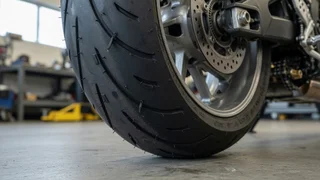
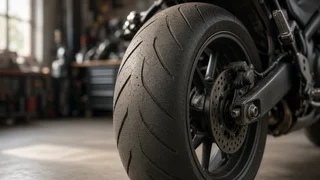
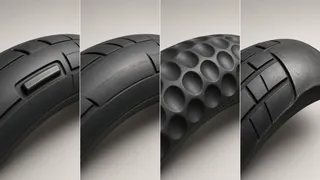
Dunlop Motorcycle Tire Wear Bars
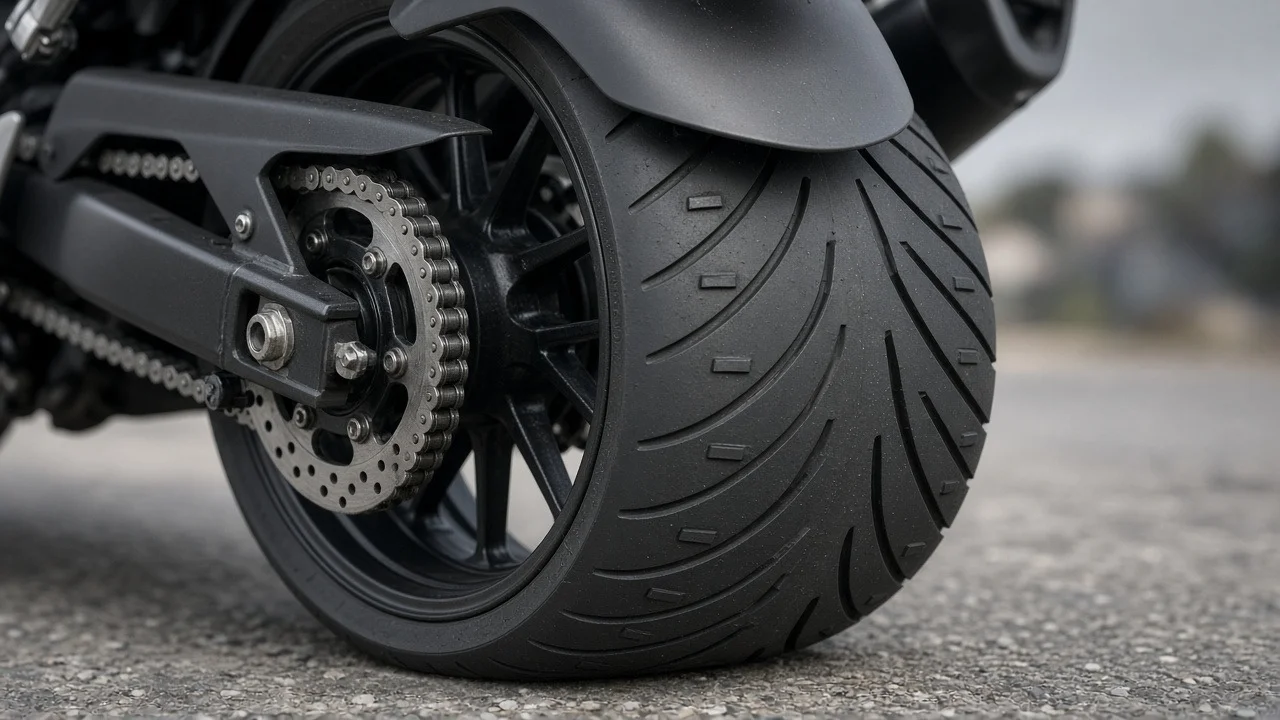
Dunlop motorcycle tire wear bars are molded indicators that sit inside the main tread grooves and become flush with the surrounding tread surface as the tire approaches its service limit. Riders often notice them first when checking tread depth across the contact patch where cornering, braking, and acceleration loads concentrate wear. Understanding how these bars relate to tire size, load index, speed rating, inflation pressure, and the vehicle placard helps a rider judge when a replacement is genuinely needed rather than relying on appearance alone.
Essential answer
Dunlop motorcycle tire wear bars are small raised bridges of rubber molded across the bottom of the primary tread grooves. They are not separate components; they are part of the tread block structure formed during tire manufacturing. When normal use reduces tread depth to roughly the legal or manufacturer-indicated minimum, these bars become level with the surrounding tread face. At that point the tire no longer channels water as effectively from the contact patch, and traction on wet pavement can degrade noticeably even though the tire may still look acceptable from a distance.
The wear bars give a direct tread depth reference without requiring a separate gauge, though a depth tool can confirm readings more precisely. Different Dunlop tire models may place the bars in specific locations around the circumference, and the rider should check multiple points across the tread because motorcycle tires often wear unevenly between the center and shoulders. Inflation pressure, load index, speed rating, and drivetrain compatibility all affect how quickly the tire reaches the wear bar threshold, but the bars themselves simply mark when the remaining tread has reached the replacement indicator.