Driver Insurance: What It Covers and How It Differs From Car Insurance

The short answer
In the US, "driver insurance" is usually an informal name for auto insurance, the policy that pays for injuries and damage you cause while driving. The important qualification is that most standard US auto policies are written around a specific vehicle and the drivers listed on it, not around the person alone. A driver who does not own a car, or who regularly drives someone else's car, may need a different arrangement, most often a non-owner policy or being added as a listed driver on the owner's policy.
Rules, required coverage and policy wording vary by state and by insurer. The details below describe general principles. Your own policy documents and your state's insurance regulator are the authoritative sources for your situation.
Does insurance follow the car or the driver?
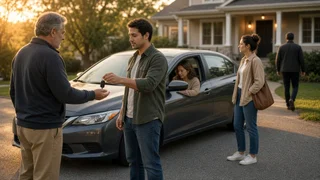
As a general rule in the US, the insurance on a vehicle is considered the primary coverage when that vehicle is in a crash. The driver's own policy, if they have one, may then act as secondary or excess coverage once the vehicle owner's limits are used up. This is why lending your car to someone can involve your insurance.
Many personal policies also extend coverage to people who drive the car occasionally with the owner's permission, which is often called permissive use. How far that extends depends on the policy. Some insurers exclude certain drivers by name, limit coverage for unlisted drivers, or expect anyone who drives the car regularly, such as a household member, to be listed on the policy.
Common forms of driver-related coverage
Standard auto policy: Covers a named vehicle and the drivers listed on it. This is what most car owners carry. Listed or named driver: A person added to an existing policy, typically a spouse, teenager or other household member who drives the insured car. Non-owner car insurance: A liability policy for people who drive but do not own a vehicle, for example someone who borrows or rents cars. It generally does not pay for damage to the car being driven. Rideshare or delivery endorsement: An add-on for drivers who use a personal vehicle for app-based work, because personal policies commonly exclude commercial use. Commercial auto insurance: Coverage for vehicles used mainly for business purposes.
What a typical auto policy can include
Auto insurance is built from separate coverages. Some are required by law and others are optional or required only by a lender or leasing company.
Coverage | What it generally pays for; Bodily injury liability | Injuries you cause to other people; Property damage liability | Damage you cause to other people's vehicles or property; Collision | Damage to your own vehicle from a crash, regardless of fault; Comprehensive | Damage to your own vehicle from non-collision events such as theft, fire, weather or hitting an animal; Uninsured/underinsured motorist | Your losses when the at-fault driver has no insurance or too little; Personal injury protection (PIP) or medical payments | Medical costs for you and your passengers; required in some states, often no-fault states
What the law requires
Nearly every US state requires drivers to carry at least minimum liability insurance or show some other proof of financial responsibility. The minimum limits, any required extras such as PIP or uninsured motorist coverage, and the acceptable alternatives differ from state to state. Specific state minimums were not available for this article, so check your state's department of motor vehicles or insurance department for the current figures.
An SR-22, which some drivers are told to file after certain violations, is often mistaken for a type of insurance. It is a certificate an insurer files with the state to confirm that the driver holds the required coverage.
Which option fits your situation
You own a car and drive it: A standard auto policy on that vehicle, with every regular driver in your household listed as your insurer requires. You don't own a car but drive borrowed or rented vehicles: Ask about a non-owner liability policy, and check what the owner's or rental company's coverage provides. Someone else regularly drives your car: Check whether your insurer requires them to be listed instead of relying on permissive use. You drive for a rideshare or delivery app: Confirm whether your personal policy excludes this use, and ask about a rideshare endorsement or what the platform's coverage includes.
Information not covered here
No verified prices, premium comparisons, state-by-state limits or insurer-specific terms were available for this guide, so none are given. Costs depend on factors such as location, driving record, vehicle and coverage choices. To compare real options, get quotes from several insurers, and read the declarations page and exclusions of any policy before relying on it.