Truck Liability Insurance: What It Covers and How It Differs

The short answer
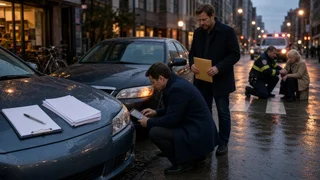
Truck liability insurance pays for injuries and property damage that you or your driver cause to other people while operating the truck. It protects third parties, not the truck itself, its cargo or the driver's own injuries. In the US, some form of liability coverage is legally required to operate a vehicle on public roads. The exact type and amount depend on how the truck is used. A pickup driven for personal errands, a box truck used in a local business and a tractor-trailer hauling freight across state lines are each insured and regulated differently.
What liability coverage typically pays for
Liability policies are generally split into two parts:
Bodily injury liability: medical costs, lost income and related claims from people hurt in a crash the insured driver is responsible for. Property damage liability: repair or replacement of other people's vehicles, buildings, fences or other property damaged in that crash. Legal defense: most liability policies also cover the cost of defending covered claims, subject to the policy terms.
What it does not cover
Liability coverage on its own leaves several common losses unprotected. These need separate coverage:
Damage to your own truck, which is handled by collision and comprehensive coverage, often called physical damage coverage on commercial policies. Cargo or goods being hauled, which is handled by motor truck cargo coverage. The driver's own injuries, which are handled by medical payments, personal injury protection where offered, or workers' compensation for employees. Losses caused by uninsured or underinsured drivers, which are handled by uninsured/underinsured motorist coverage.
How truck liability differs from personal auto liability
The key factor is how the truck is used. A pickup or light truck used only for personal driving can usually be insured on a standard personal auto policy, and that policy's liability section works the same way it does for a car. Once a truck is used for business, such as hauling goods or equipment, carrying tools to job sites or transporting freight for hire, a commercial auto or commercial trucking policy is generally needed. Personal policies commonly exclude or limit business use. A claim from a business-related crash could be denied if the truck is insured only on a personal policy.
Commercial truck liability also tends to carry higher limits. Heavier vehicles can cause more severe damage, and operators of certain commercial trucks face regulatory minimums on top of state requirements.
Regulatory requirements
Each state sets its own minimum liability requirements for vehicles registered there. For-hire motor carriers operating in interstate commerce must also meet federal financial responsibility requirements set by the Federal Motor Carrier Safety Administration (FMCSA), and the required amount varies with the type of cargo. Carriers hauling certain hazardous materials face higher requirements than general freight haulers. Specific dollar minimums were not part of the material available for this article. Confirm current figures with your state's motor vehicle agency, the FMCSA or a licensed insurance agent rather than relying on a general summary.
Primary liability vs. non-trucking liability
Commercial trucking uses a few distinct liability products, and the differences matter most for owner-operators:
Primary liability: the main auto liability policy that covers the truck while it is operating under a motor carrier's authority. It is usually the coverage that satisfies federal or state filing requirements. Non-trucking liability: coverage for an owner-operator leased to a motor carrier, applying when the truck is used for non-business purposes and not under dispatch. It fills the gap when the carrier's primary policy does not apply. Bobtail liability: a related term for coverage when a tractor is driven without a trailer. Insurers use "bobtail" and "non-trucking" differently, so check the actual policy wording to see which situations are covered.
Who buys which policy usually depends on the lease agreement between the owner-operator and the motor carrier. Read that agreement carefully to see which party is responsible for primary liability.
What affects the cost
No pricing data was available for this article, so no premium figures are given here. In general, insurers weigh factors such as the vehicle's type and weight, how and where it is used, the distance driven, the type of cargo, the driver's record and the coverage limits selected. Quotes from several licensed insurers or agents are the only reliable way to compare actual costs for a specific truck and operation.
Choosing the right coverage
Start by defining how the truck is actually used: personal only, business use within one state, or for-hire hauling across state lines. That answer determines whether a personal or commercial policy applies and which regulatory minimums are involved. Legal minimums are a floor, not a recommendation, because a serious crash involving a heavy truck can produce claims well above those amounts. Finally, decide whether you need coverage beyond liability, such as physical damage or cargo protection, since liability insurance alone will not pay to repair your own truck or replace what it carries.