Dorman Ignition Lock Housing: What to Check Before You Buy
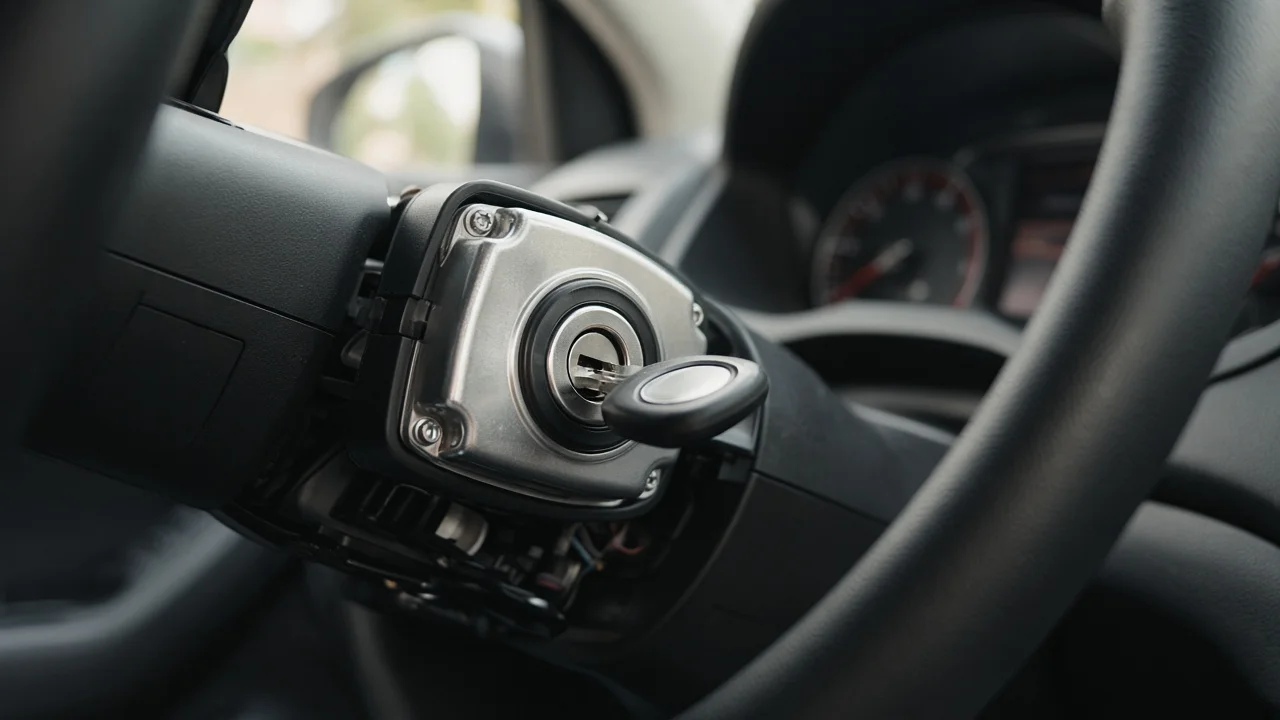
A Dorman ignition lock housing is a good buy if the housing itself is the failed part: the cast body that holds the lock cylinder is cracked, worn or broken, so the key binds, the cylinder wobbles or the steering lock no longer releases properly. It will not help if the real fault is the lock cylinder, the electrical ignition switch, or something outside the steering column such as a weak battery or a starter problem. The other condition that decides whether a housing fits is exact vehicle matching. Year, model, trim, steering column type and transmission layout can all change which housing fits, so confirm all of them before ordering.
What the ignition lock housing actually does
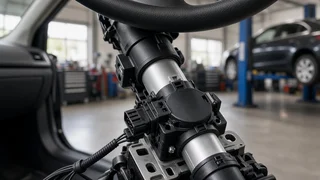
On a mechanical key ignition, three parts work together and are easy to confuse. The lock cylinder is the keyed tumbler you insert the key into. The housing is the cast metal or composite body that holds the cylinder and usually contains the steering lock mechanism, the mechanical anti-theft feature that keeps the steering wheel from turning without the key. The ignition switch is the electrical component that the cylinder turns, through a rod or direct linkage, to power the accessory, run and start circuits.
Part | What it does | Typical signs it has failed; Lock cylinder | Reads the key and rotates when the correct key is used | Key won't go in, won't turn, or turns with any key; worn tumblers; key sticks only in certain positions; Lock housing | Holds the cylinder and usually the steering lock mechanism | Cylinder loose or wobbling in the column; key turns but feels disconnected; steering stays locked or won't lock; visible cracks or broken casting; Ignition switch | Electrically switches accessory, run and start circuits | Key turns normally but dash, accessories or cranking cut out; intermittent stalling; no crank despite good battery and starter
Housing failures are usually mechanical. Casting breaks around the cylinder retainer, wear lets the cylinder move, or the steering lock parts inside the housing stop engaging or releasing. If those symptoms match what you are seeing, a replacement housing is the right direction.
Rule out problems a housing won't fix
Many people search for an ignition lock housing because the car won't start. A no-start only points to the housing if the key won't turn or the mechanism is physically broken. If the key turns freely to the start position, run some basic diagnostic checks first.
Battery state of charge: a weak or discharged battery causes slow or no cranking and is the most common no-start cause. Test or charge it before blaming anything in the column. Cranking speed: slow cranking points toward the battery, cables, connections or starter rather than the lock. Normal cranking with no start points elsewhere entirely. Starter circuit: a clicking sound, or no sound while the dash lights stay bright, can indicate a starter, relay, neutral safety switch or wiring fault. Ignition switch: if the key rotates normally but power to accessories or the start circuit is missing or intermittent, the electrical switch is the more likely culprit. Fuel delivery: an engine that cranks normally but doesn't fire may have a fuel pump, fuse, relay or immobilizer issue, none of which a housing addresses. Immobilizer or anti-theft light: on vehicles with transponder keys, a flashing security light during a no-start usually indicates a key recognition problem, not a mechanical housing failure.
How to confirm fitment
Ignition lock housings are specific to steering column designs, and a single model can use more than one column across its production run. Matching by year and model alone is often not enough.
Use a VIN-based lookup where the seller offers one, or match the part number printed on or cast into your original housing. Confirm the model year, make, model and trim. Mid-year production changes can mean two different housings for the same model year. Check the steering column type: tilt versus non-tilt, and tilt-and-telescoping columns, often use different housings. Check transmission and shifter location. Column-shift and floor-shift vehicles frequently use different housings because the shift interlock or column layout differs. Note the market. US-market vehicles may use different components from versions sold elsewhere. Compare the listing photos against your old housing, including mounting points, the cylinder bore and any switch or sensor mounting locations, before installing.
If the listing's fitment notes mention exclusions or conditions, such as a specific production date range or column option, treat them as decisive and verify your vehicle against them.
Keys, cylinder and anti-theft considerations
Before buying, check what the housing comes with, because it affects whether your current key will still work.
Housing only: you transfer your existing lock cylinder into the new housing, so your current key keeps working for the ignition. This is usually the simplest outcome if the cylinder is in good condition. Housing with a new cylinder and keys: you get a working assembly, but the ignition key will no longer match your door or trunk locks unless you rekey them or carry two keys. Transponder or chip keys: if your vehicle uses a chipped key or a resistor-pellet key system, a new cylinder or key may need programming or matching to the vehicle's anti-theft system. Find out what your vehicle requires before choosing an option that changes the key. Antenna rings and sensors: some columns have an immobilizer antenna ring or a key-in sensor mounted at the cylinder or housing. Confirm whether these transfer from the old part or are expected to be supplied.
Installation trade-offs
Replacing an ignition lock housing means working inside the steering column, and the difficulty varies widely by vehicle. On some it is a matter of removing the column shrouds and a few fasteners. On others it involves removing the steering wheel and disturbing the airbag, which calls for disconnecting the battery and following the correct airbag disabling procedure for that vehicle. Some housings also use break-off or tamper-resistant fasteners as part of the anti-theft design, which may require drilling or special tools.
If the old cylinder won't turn, removing it can be harder, because many cylinders are released by turning the key to a specific position and pressing a release pin. When that isn't possible, the cylinder or housing may have to be drilled or broken out. A repair manual or service information for your exact vehicle is the best guide to whether this is a reasonable driveway job or one better left to a mechanic or automotive locksmith.
Aftermarket housing versus dealer part
Dorman positions much of its range as direct-replacement parts for repairs where an original equipment component has failed or is hard to source. The practical trade-off is the usual aftermarket one. An aftermarket housing may be easier to find or less costly than a dealer part, while the dealer route gives you the original part number and, in some cases, help with key cutting and programming. Compare current prices, the warranty terms stated by the seller and what is included in the box. A cheaper housing that requires a separate cylinder and key programming may not end up cheaper overall.
Quick buying checklist
Confirm the symptom is mechanical, such as a loose cylinder, broken casting or faulty steering lock, rather than a battery, starter, switch or fuel delivery problem. Match the housing by VIN or original part number, not just year and model. Verify column type, tilt or telescoping features, and column- versus floor-shift layout. Decide whether you'll reuse your cylinder or need a new one, and what that means for your keys. Check whether your vehicle uses transponder or resistor keys that may need programming. Review the installation steps for your vehicle, especially airbag and fastener requirements, before deciding on DIY or professional installation.