Dorman steering angle sensor
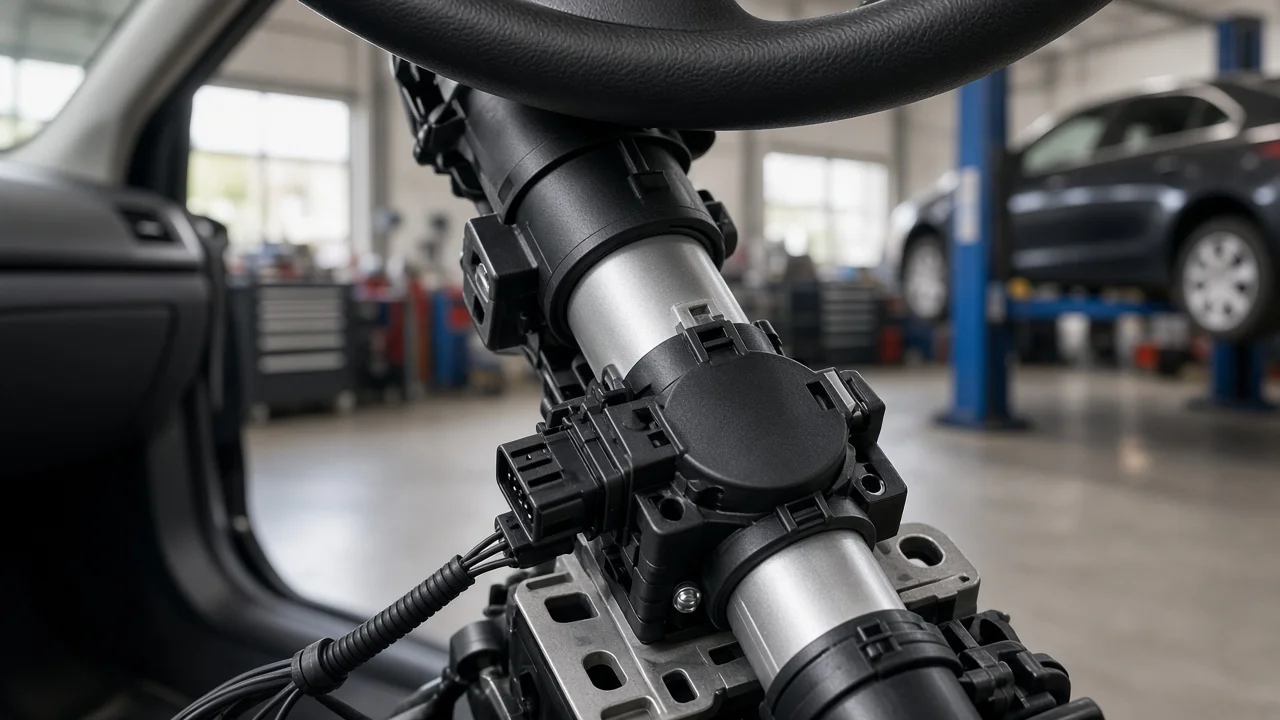
A Dorman steering angle sensor is often considered when a stability-control warning appears, steering response feels inconsistent, or a scan tool points toward the steering angle signal. The sensor reports where the steering wheel is aimed so modules such as ABS and electronic stability control can compare that intent with what the vehicle is actually doing. Because Dorman supplies replacement parts across many makes and models, the right choice depends on connector style, mounting points, and whether a new sensor can be installed as a separate component. These factors matter before purchase, not only when a fault code appears.
The direct answer
A Dorman steering angle sensor can fit when the vehicle requires a replaceable sensor that matches its electrical connector, mounting arrangement, and signal output. The strongest reason to choose it is a diagnosed steering angle signal failure where the original sensor is serviceable separately from the column assembly. Without confirmation that the fault code is caused by the sensor itself, replacing the part may leave the light on. A wiring, calibration, or wheel alignment issue can produce similar symptoms, so the sensor should not be treated as proof of failure.
The practical buying step is to compare the part number against the vehicle application rather than selecting by appearance alone. Steering angle sensors vary by rotation range, index position, connector orientation, and whether they attach at the column, clock spring, or steering gear area. Since manufacturer-dependent codes require vehicle-specific confirmation, the safest approach is to verify the Dorman listing for the exact year, model, and trim. That prevents a sensor that bolts in but cannot be calibrated or read correctly.