Dominican Republic vehicle import regulations
The short answer
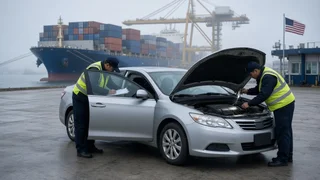
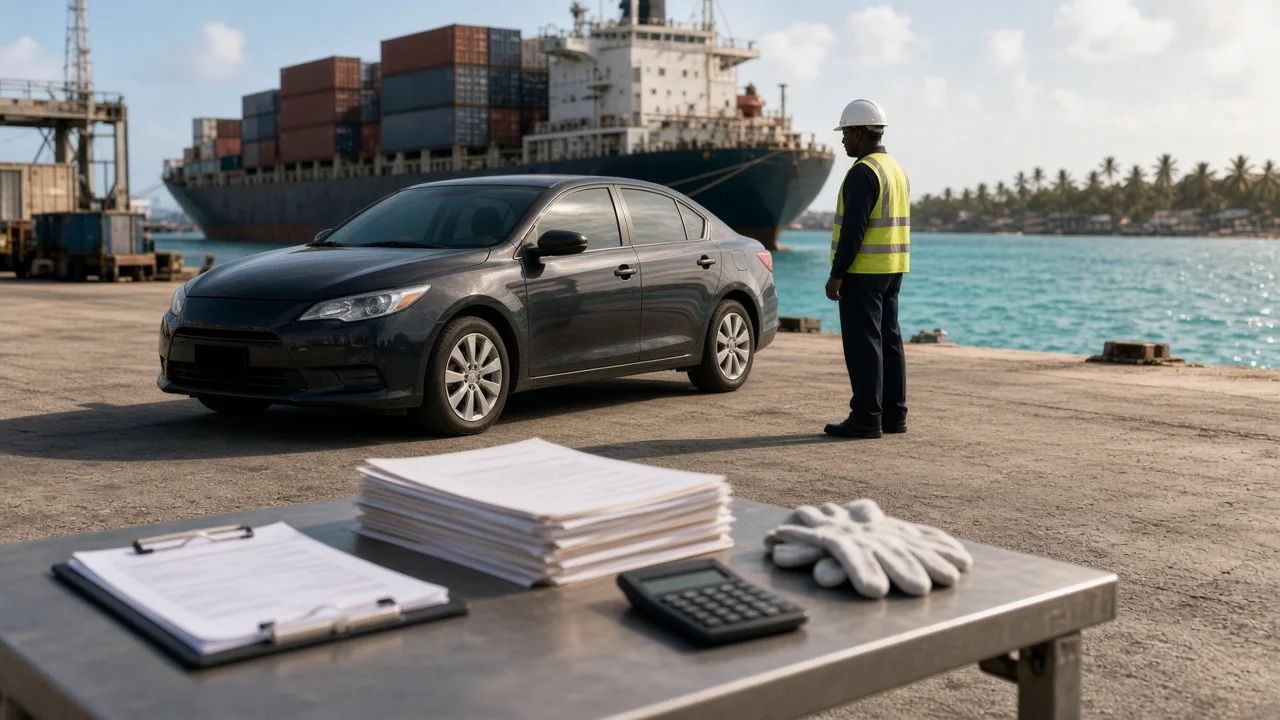
Importing a car into the Dominican Republic is allowed, but it is a regulated process with two separate approvals. The vehicle has to clear Dominican customs, which assesses duties and taxes and checks that the car meets the country's eligibility rules. It then has to be registered for road use, which involves the tax administration and produces the plates and registration document. When the car is shipped from the United States, a third step applies first: the vehicle must be lawfully exported from the US.
The most important qualification is that the rules depend on the specific vehicle and the importer. Vehicle age, type, title history and the importer's residency or status can change whether a car is eligible and how much it costs to bring in. This guide explains the structure of the rules. It does not give current tax rates, age limits or fees, because no confirmed figures were available for this article. Those figures should come directly from the Dominican authorities or a licensed customs broker before you commit to a purchase or shipment.
Who regulates vehicle imports
Customs clearance is handled by the Dominican Republic's customs authority, the Dirección General de Aduanas (DGA). It reviews the import declaration and supporting documents and calculates what is owed at the border. Registration and the first-registration tax are handled by the tax authority, the Dirección General de Impuestos Internos (DGII). Clearing customs does not by itself make a vehicle road-legal. Registration is a separate step that follows clearance.
Most importers use a licensed customs broker, called an agente de aduanas. The broker prepares the declaration, classifies the vehicle and deals with customs on the importer's behalf. Whether a broker is mandatory for your situation is one of the things to confirm locally.
Vehicle eligibility: what to check before buying
The Dominican Republic has historically restricted which used vehicles can be imported. The main restriction is a maximum age, and the limit has differed by vehicle category. The current limit and how vehicle age is counted were not confirmed for this article, so check both before choosing a car. A vehicle that fails an eligibility rule may be refused entry even after it has been shipped, which makes this the costliest point to get wrong.
Vehicle age: the current maximum age for your vehicle category, and whether age is measured by model year or manufacture date. Title history: whether vehicles with salvage, rebuilt, flood or similar branded titles are accepted. Steering position: whether right-hand-drive vehicles can be registered, since traffic in the Dominican Republic drives on the right. Vehicle type: whether different rules apply to passenger cars, pickups, commercial vehicles or motorcycles. Importer status: whether returning residents, diplomats or other categories have exemptions or different treatment.
Duties and taxes: the cost categories
Import costs are made up of several separate charges rather than one fee. The rates, the valuation method and any exemptions were not confirmed for this article. The list below shows the categories an importer should expect to see on a broker's estimate. Each one still needs a current figure from an official or professional source.
Import duty (arancel): assessed by customs on the vehicle's customs value. ITBIS: the Dominican value-added tax on goods, applied at import. Selective consumption tax: an additional tax that may apply depending on the vehicle. First-registration tax: charged when the vehicle is registered for the first time with the tax authority. Port, handling and broker fees: charges that are not taxes but add to the total cost.
Two points have a large effect on the final cost. The first is how the customs value is set. Authorities may use reference values rather than the price you actually paid. The second is whether taxes are calculated on top of each other, with one tax applied to a base that already includes another. Ask a broker to show both before you estimate the landed cost of a vehicle.
Exporting the vehicle from the United States
Before a vehicle can enter the Dominican Republic, it has to leave the US legally. US Customs and Border Protection requires used self-propelled vehicles to be presented for export with proof of ownership, normally the original title, and the vehicle identification number (VIN). This must happen before departure, within an advance-notice window set by the port. The export is also normally recorded through an electronic export filing. A shipping company or freight forwarder usually handles these steps. The title should be clear of liens. A financed vehicle typically needs the lender's written release before it can be exported.
Documents typically involved
The exact document list was not confirmed for this article, and requirements can change. A US-to-Dominican Republic vehicle shipment generally involves documents in the following categories.
Proof of ownership: original title, plus a lien release if the vehicle was financed. Proof of value: bill of sale or purchase invoice. Shipping document: the bill of lading issued by the carrier. US export record: evidence of the export filing and CBP clearance. Importer identification: Dominican identification or passport and taxpayer registration, depending on status. Customs declaration: prepared and filed in the Dominican Republic, usually by a broker.
How this differs from importing into the US
US readers may know the American import system, which focuses on federal safety and emissions compliance for foreign vehicles. The Dominican system works differently. It relies mainly on eligibility limits, especially vehicle age, and on a layered set of taxes collected at import and at first registration. As a result, the main questions for a Dominican import are usually whether the vehicle is allowed in at all and what it will cost in total. Whether it meets a specific technical standard is usually a secondary concern.
What this guide could not confirm
No verified figures were available for this article. That includes current duty and tax rates, the maximum vehicle age, fees, processing times, exemption criteria and the official document checklist. These are exactly the details that decide whether a particular import makes sense. They should be confirmed with the Dominican customs and tax authorities or a licensed Dominican customs broker. Confirm them for your specific vehicle, by VIN, model year and title status, before you buy or ship.
Practical next steps
Identify the exact vehicle by VIN, model year and title status. Confirm with a Dominican customs broker that the vehicle is eligible to be imported. Request a written landed-cost estimate that itemizes duty, ITBIS, any selective tax, first-registration tax and fees. Arrange US export through a shipper or forwarder, with the original title and any lien release ready. After customs clearance, complete registration with the tax authority before driving on public roads.