Does my car have a cvt transmission
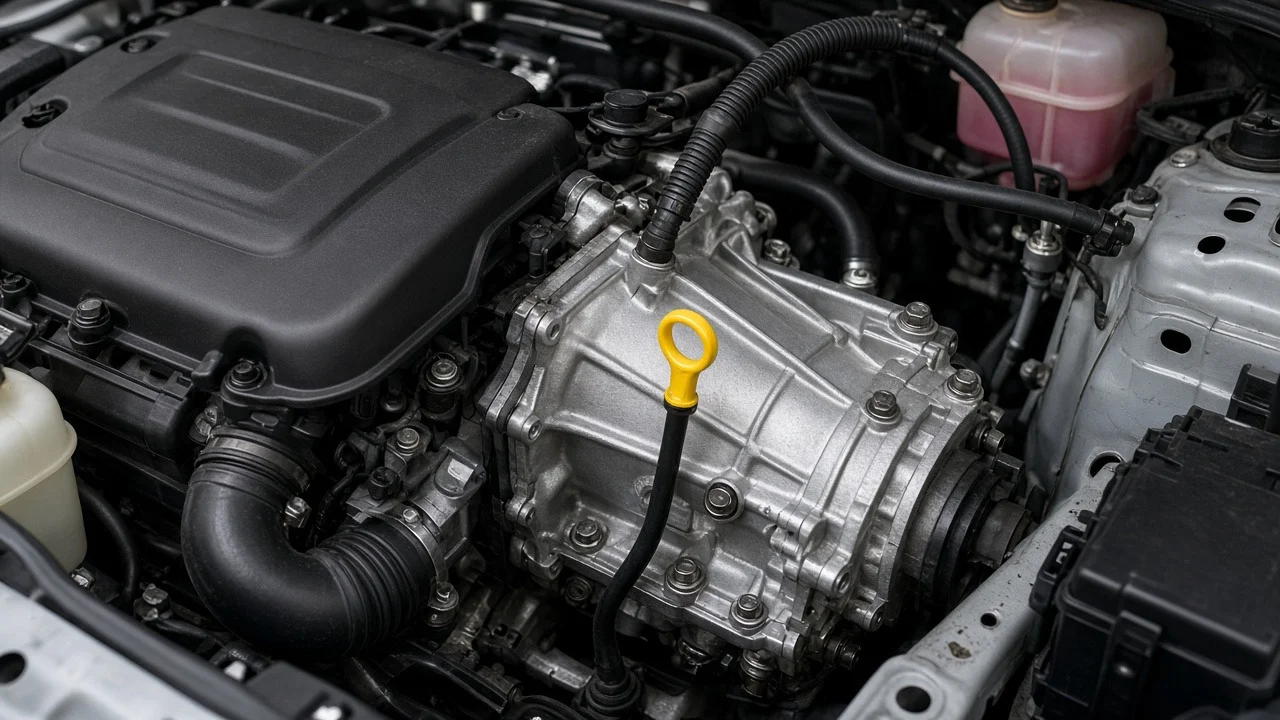
Identifying a continuously variable transmission can seem confusing because the shifter looks much like any other automatic, yet the driving behavior is distinct. If you are wondering whether your vehicle is equipped with one, several practical clues can help. You can inspect the shifter markings, reference the owner’s materials, check the build information, or simply pay attention to how the engine responds during acceleration. Understanding the difference matters because the fluid specification and service approach are unique to this design, and the way the powertrain behaves under load is often the clearest indicator of the transmission type.
Direct answer
The most straightforward way to confirm a continuously variable transmission is to look at the gear selector. Many vehicles with this design include a dedicated low position or a manual mode that does not show numbered gear ratios; instead, the indicator may simply read PRNDL or PRNDS. If the shifter or dash display shows simulated shift points only while driving but no fixed gear labels in the owner’s documentation, that is a strong signal. However, not every shifter is obvious, so you should also check the vehicle identification details or the emission label under the hood.
The driving sensation is another reliable clue. Under hard acceleration, a CVT usually holds engine rpm at a steady level while road speed increases, creating a smooth and uninterrupted surge rather than the stepped rhythm of a conventional automatic. Some modern units simulate stepped shifts to feel familiar, so the absence of shift shock alone is not absolute proof. Confirm the fitment by checking the service history or the transmission code on the build sticker, because fluid requirements and diagnostic codes differ by design and should not be assumed from behavior alone.