Does Every Car Have a Turbocharger

The short answer is no: not every car has a turbocharger, even though turbocharging has become common across many new vehicles. A turbocharger is a forced-induction device that uses exhaust flow to spin a turbine and drive a compressor, increasing the air entering the engine. Automakers often add a turbo to a smaller-displacement engine to raise output while improving efficiency in certain driving conditions. However, many naturally aspirated engines still reach dealerships without any turbo system. Whether a particular model includes one depends on its engine design, intended performance, emissions strategy, and cost targets.
Essential answer
Most cars on the road do not automatically include a turbocharger. A turbo is an added component rather than a universal engine feature, and many vehicles use naturally aspirated induction where atmospheric pressure alone fills the cylinders. The growing presence of downsized turbocharged engines can make the technology feel standard, but it remains one of several ways engineers balance power, fuel consumption, and packaging. The presence of a turbo should therefore be confirmed for a specific model rather than assumed from a vehicle category.
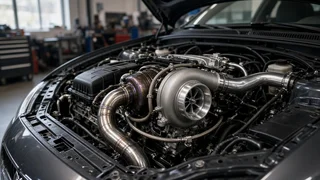
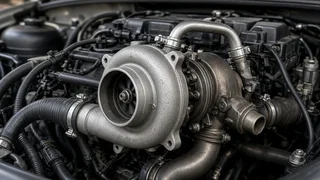
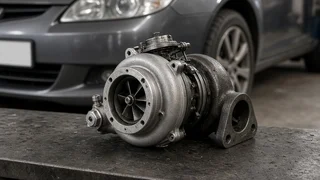
Turbocharging works by capturing exhaust energy that would otherwise be wasted. Exhaust gas spins a turbine wheel, which turns a compressor on the shared shaft and pushes denser air toward the intake. That process raises boost pressure in the manifold and allows more fuel to be burned in each cylinder. Related considerations such as compressor outlet routing, charge-air temperature, hose connections, pressure loss, and oil contamination influence reliability, but none of those factors make the part universal. They simply explain why a turbo requires careful integration when fitted.