Does a Higher Pressure Radiator Cap Run Cooler
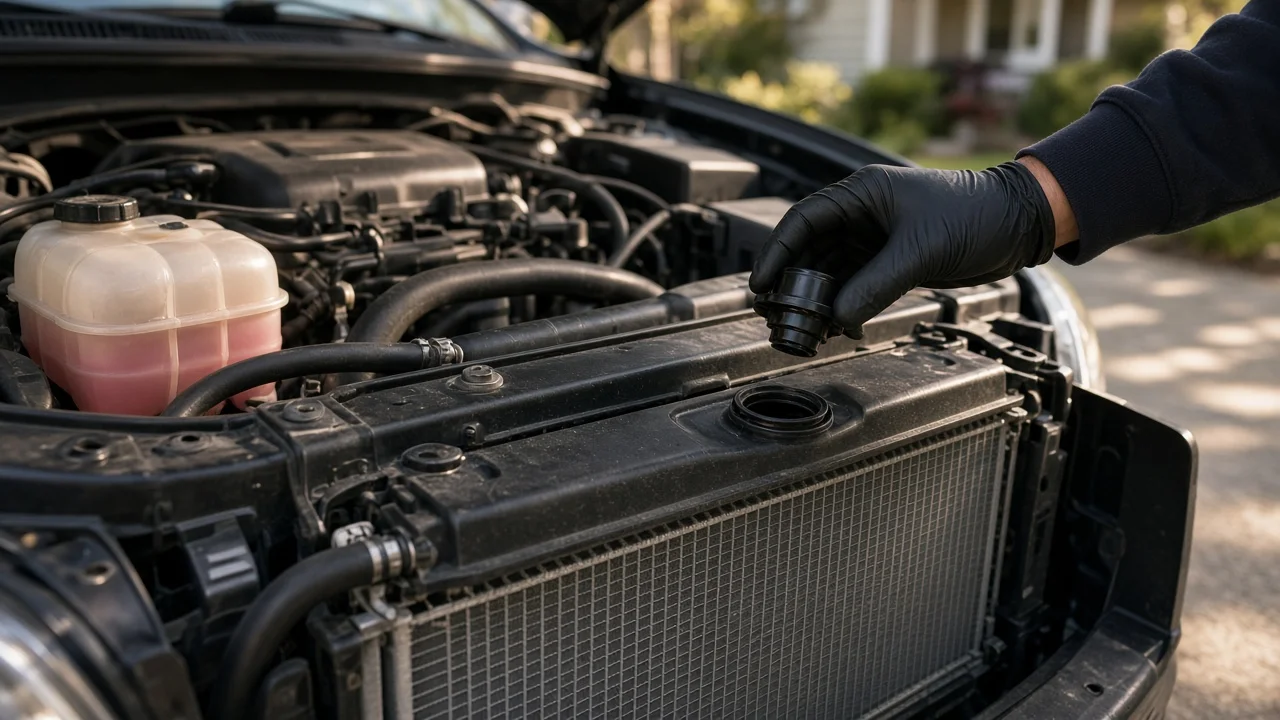
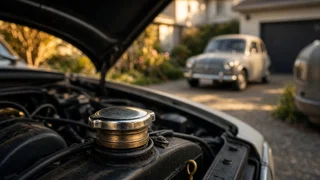
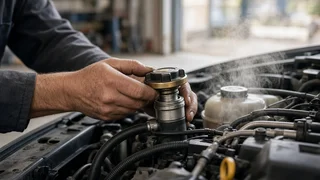
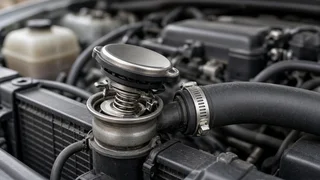
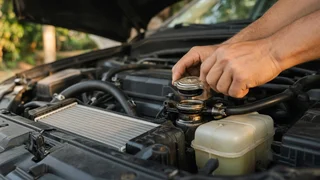
A cooling system pressure cap looks like a small part, but it changes the conditions under which coolant boils. Many drivers wonder whether installing one with a higher rating will make the engine run cooler. The answer involves pressure, boiling point, and how heat actually leaves the radiator. It is not a simple yes. A higher-pressure cap can raise the temperature at which the coolant boils, which may help under heavy load or in hot weather. However, it does not directly lower the temperature of the coolant or the engine in normal driving. The cap works as a pressure relief valve, not as a thermostat.
Essential answer
A higher-pressure radiator cap does not by itself make the engine run cooler. It allows the cooling system to reach a higher internal pressure before releasing coolant. That higher pressure raises the boiling point of the coolant, so the system can tolerate more heat without boiling and pushing liquid into the overflow tank. The thermostat and radiator still control the actual operating temperature, so the normal temperature reading should stay roughly the same during light or moderate driving.
The real benefit appears when the system is working hard, such as during towing, climbing, or driving in very hot conditions. In those moments, the coolant near the cylinder head can approach a temperature that would boil at lower pressure. A higher-pressure cap can give more margin before localized boiling creates air pockets or steam around hot metal surfaces. Steam transfers heat poorly, so avoiding it can keep heat rejection more stable. But raising pressure beyond the cooling circuit's design limit can strain the radiator, heater core, hoses, or gaskets, so a stronger cap must be matched to a system built to accept it.