Is a higher-pressure radiator cap better
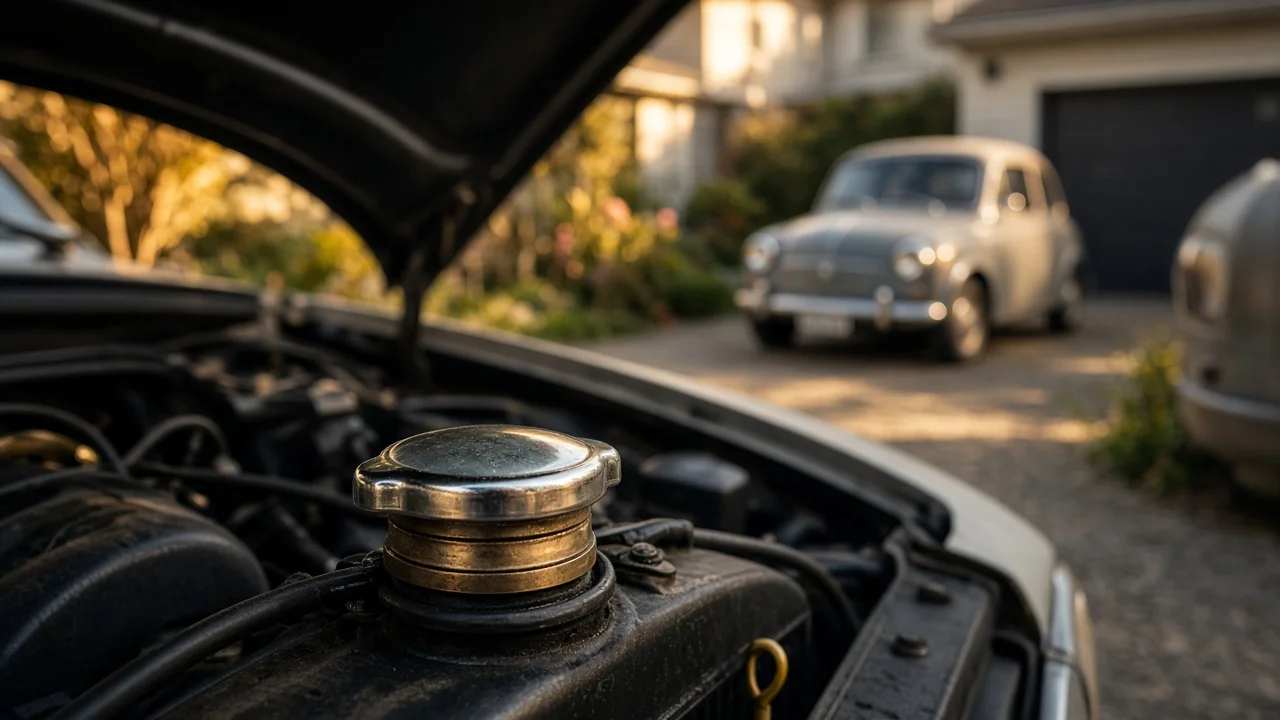
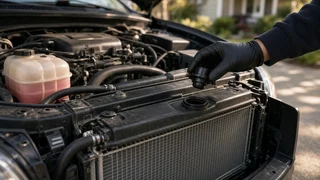
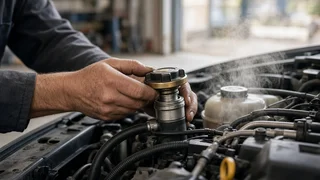
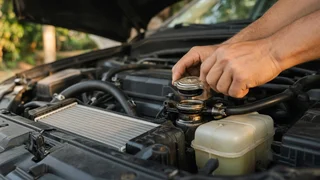
Choosing a radiator cap may look like a minor cooling system decision, but the pressure rating directly changes how the coolant behaves under heat. A higher-pressure radiator cap is not automatically better for every vehicle, because the cap works with the cooling circuit, thermostat, and coolant specification. Raising pressure can reduce localized boiling and air pockets, yet it also increases stress on hoses, gaskets, and the radiator itself. The useful answer depends on the original system design and the actual overheating condition a driver is trying to address.
Essential answer
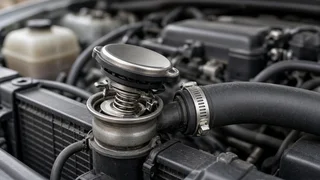
A higher-pressure radiator cap raises the boiling point of the coolant, which can help control hot spots and air pockets in a healthy system. However, it is not a universal upgrade. The cap must remain compatible with the radiator neck, the cooling circuit, and the manufacturer’s pressure limits. On an unmodified vehicle, increasing cap pressure above the original rating may temporarily mask an overheating symptom while adding strain to heater cores, gaskets, and aging plastic tanks.
The practical answer is that a higher-pressure cap is better only when the rest of the system is designed or prepared for that increase. If the coolant specification, thermostat, and radiator are already operating correctly, the standard cap is usually the safer choice. A higher rating can be useful in controlled situations where elevated boiling resistance is needed, but it should be treated as a tuning change rather than a simple performance improvement for everyday driving.