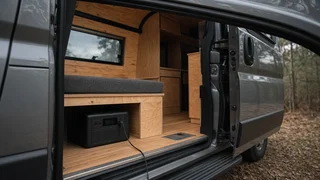
Dodge / Ram Van camper conversion
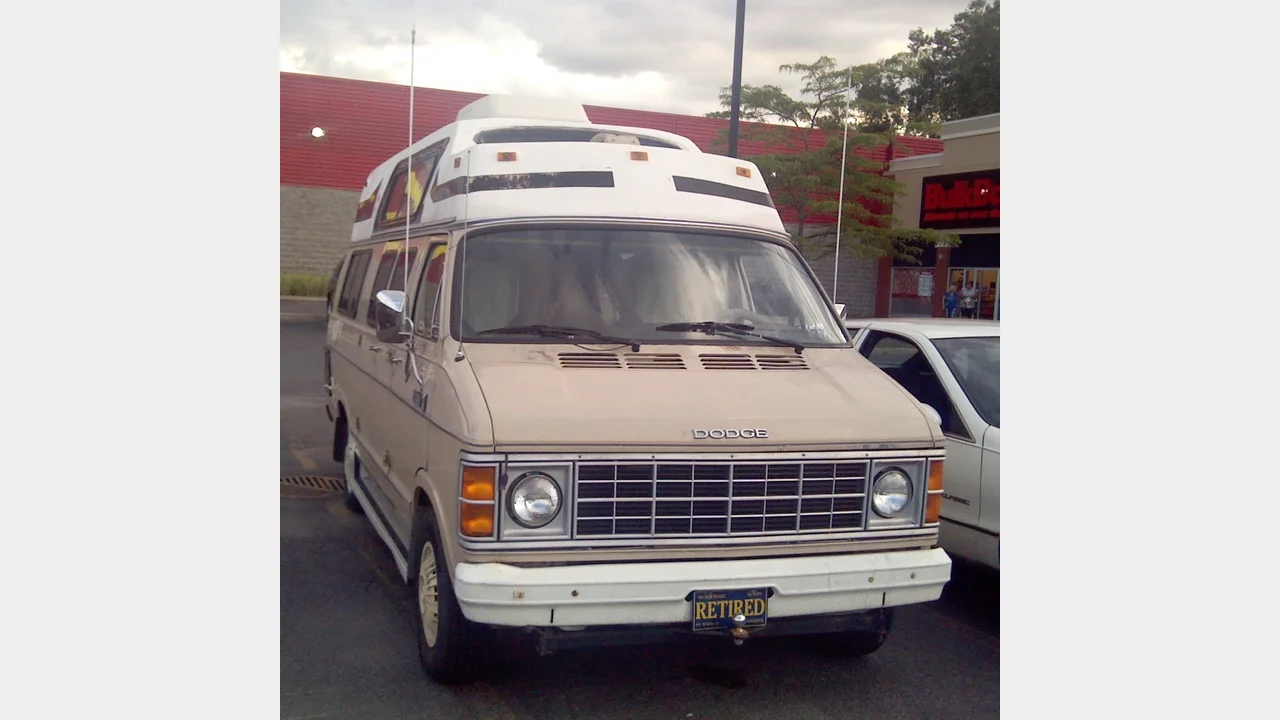
A Dodge or Ram van camper conversion turns a factory cargo or passenger shell into a compact living space, but the best starting point depends on body length, roof height, and how the existing structure handles added weight. Older Dodge Ram vans offer a broad, flat floor and simple body-on-frame construction that make layouts approachable, while later Ram full-size vans provide similar interior volume with different mounting and corrosion concerns. Understanding load rating, surface material, and clearance before cutting or fastening helps avoid a conversion that looks tidy but stresses the body, overloads the suspension, or traps moisture where it cannot dry.
Essential answer
A Dodge or Ram van camper conversion is a self-built or shop-fitted camping interior installed in a full-size Dodge Ram van or Ram van, typically using the cargo area for sleeping, storage, cooking, and occasionally water systems. The practical scope ranges from a removable platform bed and insulated wall panels to a permanent galley, auxiliary electrical system, and rooftop vent. Because Dodge and Ram van generations changed body structure and available roof profiles, conversion layouts must respect the specific shell rather than copy a design from a different make or era.
The conversion works best when the van is evaluated for load rating, corrosion protection, and mounting points before interior work begins. A tall cargo body gives more standing clearance and easier cabinet placement, while a standard-height passenger shell suits lower furniture and compact sleeping platforms. Product compatibility matters for seat bases, floor anchors, insulation adhesives, and electrical components, and surface material preparation determines whether fasteners and sealants remain secure. A well-planned Dodge camper van conversion balances comfort, weight distribution, and safe access to service areas.