Dodge Neon: Generations, Versions and What to Know Before Buying One
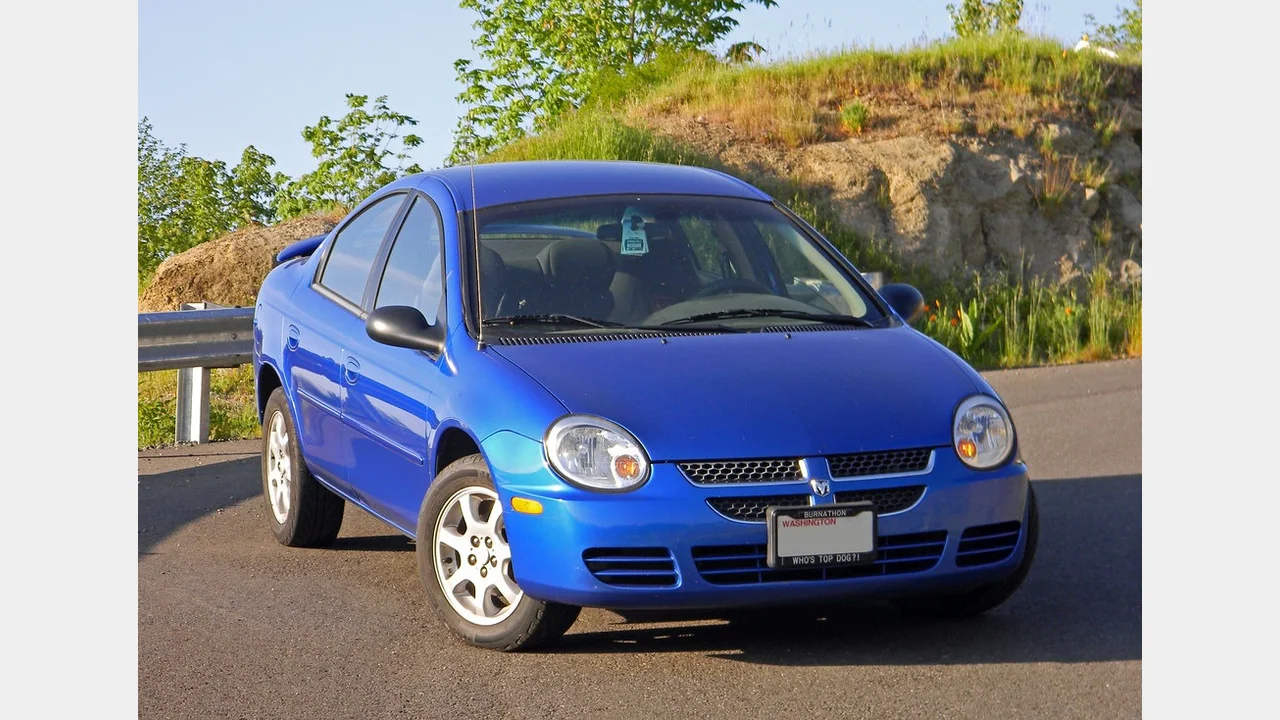
If you searched for a "neon car," you are most likely looking for the Dodge Neon, a front-wheel-drive compact car Chrysler sold in the United States from the 1995 model year through 2005. It was offered as an affordable, practical small car, and in some versions it also built a reputation as an inexpensive performance car. One qualification matters right away: the same basic car was also sold as the Plymouth Neon in the US and as the Chrysler Neon in several export markets, and the Neon name was later reused outside the US for an unrelated car. This guide covers the original US-market Dodge Neon unless noted otherwise. If you were instead searching for cars fitted with neon-style accent lighting, that is a separate aftermarket topic not covered here.
What the Dodge Neon Is
The Neon was Chrysler's entry in the compact segment, competing with cars such as the Honda Civic, Toyota Corolla, Ford Escort and later Ford Focus, and Chevrolet Cavalier. It replaced older Chrysler small cars and was positioned as a modern, rounded, friendly-looking alternative to Japanese compacts. Its early marketing leaned on that personality, famously greeting buyers with a simple "Hi" in advertising.
All US Neons use a transverse four-cylinder engine driving the front wheels, with a choice of manual or automatic transmission. Body styles depend on the generation: the first generation came as a four-door sedan and a two-door coupe, while the second generation was offered as a sedan only. Despite how often the car comes up in searches for compact hatchbacks, the US-market Neon was never sold as a hatchback.
The Two Generations at a Glance
Generation | US model years | Body styles | Notable versions; First generation | 1995 to 1999 | 4-door sedan, 2-door coupe | Base and Highline trims, Sport, R/T, ACR; Second generation | 2000 to 2005 | 4-door sedan only | Base and SXT-type trims, R/T, ACR, SRT-4
First Generation (1995 to 1999)
The first-generation Neon is the more recognizable of the two, with its round headlamps and compact, cab-forward proportions. It used a 2.0-liter four-cylinder engine in two forms: a single-overhead-cam (SOHC) version in most cars and a more powerful dual-overhead-cam (DOHC) version in sportier models. Overhead-cam simply describes where the camshafts sit; the DOHC layout typically breathes better at higher engine speeds, which is why it went into the performance-oriented trims.
This generation earned praise in period coverage for its roomy cabin relative to its footprint and for lively handling, while criticism tended to focus on noise, interior material quality and the dated three-speed automatic transmission used in many cars. Those are general editorial themes rather than measured results, and individual impressions varied by trim and condition.
Second Generation (2000 to 2005)
The redesigned Neon arrived for 2000 with more conventional styling, a focus on refinement and a sedan-only lineup, as the coupe was dropped. Engineering updates aimed to make the car quieter and more comfortable, and a four-speed automatic became available during this generation's run. Plymouth was discontinued as a brand in the early 2000s, after which the car was sold in the US under the Dodge name alone.
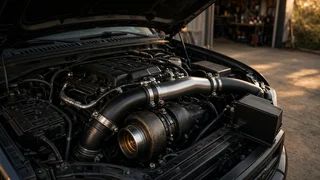
The most significant addition to this generation was the SRT-4, a turbocharged high-performance version produced for the 2003 through 2005 model years. It used a turbocharged 2.4-liter four-cylinder engine with a manual transmission and became one of the best-known budget performance cars of its era.
Notable Versions and How They Differ
Base and mainstream trims: the everyday commuter Neons, generally with the SOHC 2.0-liter engine in the first generation and a focus on low purchase price and running costs. Sport and R/T: sportier trims that added items such as the higher-output engine where available, firmer suspension and appearance upgrades. Exact content varied by model year. ACR: short for American Club Racer, a lightly equipped, competition-oriented package intended for amateur motorsport, with suspension and braking changes rather than luxury features. It is especially associated with the first generation and has a following among enthusiasts. SRT-4: the turbocharged flagship of the second generation, with substantially more performance than any other Neon, plus specific styling, suspension and brake upgrades.
Because equipment shifted from year to year, confirm the original trim and options of any specific car using its vehicle identification number (VIN) and documentation rather than relying on badges, which are easy to swap.
How the Neon Compares With Its Rivals
As an editorial summary, the Neon's case against the Civic and Corolla rested on lower pricing, a spacious interior for its class and engaging handling. Its weaker points in comparison were perceived build quality, refinement and long-term reliability reputation, where the Japanese competitors generally held the advantage in owner perception. Against domestic rivals like the Cavalier and Escort, the Neon was often seen as the more modern and more entertaining choice.
In the performance space, the SRT-4 occupied a different niche altogether, competing for buyers interested in cars such as the turbocharged compact sport sedans of the time. Its appeal was a high level of straight-line performance for its price, with fewer comforts than more expensive alternatives.
What Replaced the Neon
Dodge ended Neon production after the 2005 model year and replaced it with the Dodge Caliber, which arrived as a 2007 model. The Caliber took a different approach as a tall five-door hatchback with crossover-style styling, so shoppers looking for a direct small-sedan successor will find it is a meaningful change in format rather than a like-for-like replacement.
Separately, Dodge revived the Neon name in some markets outside the US, such as Mexico and parts of the Middle East, for a rebadged version of the Fiat Tipo sedan. That car shares only the name with the original Neon and was not sold in the US.
Ownership Considerations for a Used Neon
Any Neon on the market today is roughly two decades old or more, so the condition and maintenance history of the individual car matter far more than the reputation of the model as a whole. Parts for mainstream versions have generally been easy to find given the large number built, while trim-specific components for the ACR and SRT-4 can be harder to source.
Head gasket history: early first-generation 2.0-liter engines were widely reported to suffer head gasket failures. Look for records of replacement and signs such as coolant loss, overheating or oil contamination. Cooling system: check for leaks, overheating history and the condition of hoses and the radiator, since cooling problems can lead to costly engine damage. Timing belt: these engines use a timing belt that requires periodic replacement. Ask whether it has been done and when, as an unknown history means budgeting for it. Automatic transmission: test for harsh, delayed or slipping shifts, particularly on cars with the older three-speed automatic. Rust and body condition: inspect floors, rocker panels and wheel arches, especially on cars from regions that use road salt. Suspension and steering: worn mounts, bushings and struts are common on cars of this age and affect ride and handling. Modifications: SRT-4s and ACRs are frequently modified. Aftermarket tuning can affect reliability, so ask what has been changed and look for receipts and evidence of quality work. Open recalls: run the VIN through a recall lookup to confirm any manufacturer recall work has been completed.
A pre-purchase inspection by an independent mechanic is worthwhile for any car of this age, and especially for a performance version where hidden wear or poorly done modifications can be expensive to correct.
Is a Dodge Neon Right for You?
A standard Neon makes the most sense as a low-cost, simple commuter or first car if you find a well-maintained example and accept that it lacks the refinement and modern safety technology of newer compacts. An ACR or SRT-4 is better viewed as an enthusiast purchase, where originality, documentation and condition drive value and suitability more than everyday practicality. If long-term reliability is your top priority and you are comparing similarly priced used compacts of the same era, a carefully inspected Neon can work, but budget for age-related repairs regardless of which model you choose.