Do Tire Wear Bars Make Noise
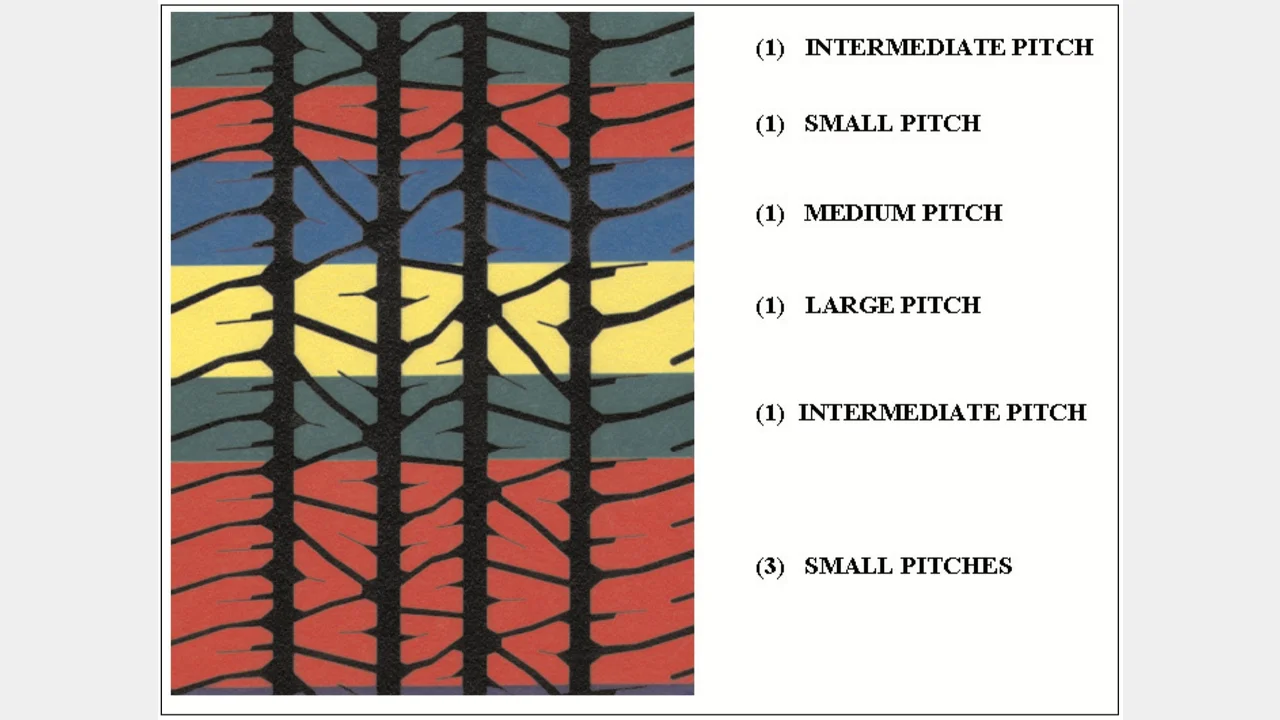
Tire wear bars are often blamed for noises that actually come from tread, road contact, or a tire nearing its service limit. Drivers who search “do tire wear bars make noise” are usually hearing a symptom, not the rubber indicator itself. Wear bars are molded ribs recessed in the main grooves, and they do not scrape or vibrate on their own. The noise is more likely tied to low tread depth, inflation pressure, speed, or an irregular wear pattern.
Essential answer
Tire wear bars themselves do not make noise during normal driving. They are small raised strips of rubber molded across the tread grooves at approximately 2/32 inch remaining tread depth. Because the bars sit level with or slightly below the surrounding tread until the tire is nearly worn out, they do not strike the pavement as a distinct mechanical noisemaker. A change in sound may occur at that final tread stage, but it comes from the tire’s reduced ability to channel water and air, not from the wear bar contacting the road as a separate object.
When a driver notices a hum, roar, or rhythmic sound and sees wear bars becoming flush, the correct interpretation is that the tire is worn to its replacement threshold. Shallow tread depth changes how the contact patch deforms, how air moves through the remaining grooves, and how much road texture reaches the carcass. The noise is a byproduct of advanced tread loss and casing behavior. Confirming tire size, load index, speed rating, and the vehicle placard inflation pressure helps rule out an underinflated or overloaded tire mimicking a worn-tire sound.