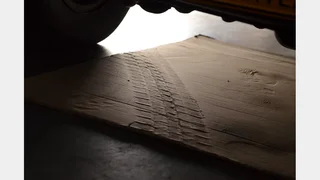
Directional Tire Tread Patterns
A directional tire tread pattern is engineered to rotate in only one specified direction. The aggressive V-shaped grooves and lateral channels are designed to evacuate water efficiently and improve straight-line stability. Owners considering this design often ask how it differs from conventional tread and whether it works with a particular tire size or drivetrain. Understanding the orientation arrow, rotation strategy, and how the pattern interacts with inflation pressure helps explain its clear wet-road benefit.
Essential answer
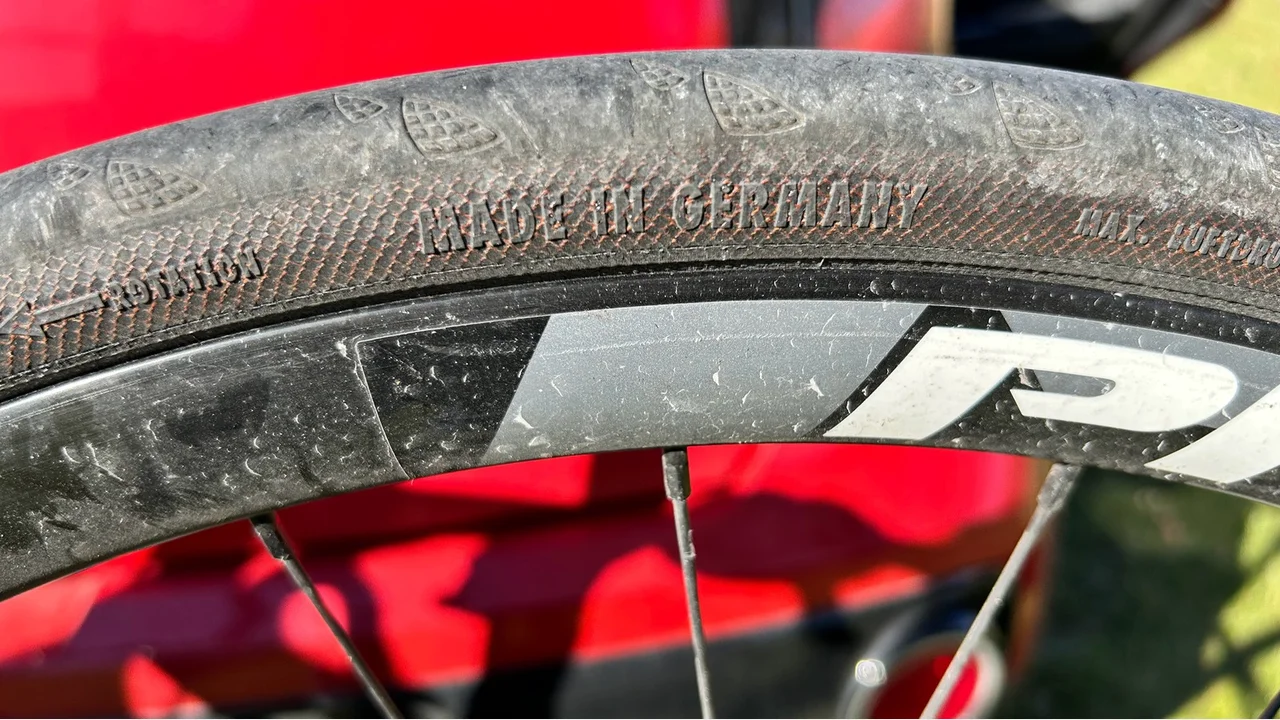
A directional tire tread pattern is a tire design whose internal structure and groove layout are intended to roll in a single, marked forward direction. The sidewall carries an arrow or rotation indicator, and the chevron-shaped grooves point toward the direction of travel when mounted correctly. This contrasts with symmetric or non-directional designs, which can be installed without concern for rolling orientation. The purpose of the pattern is to slice through standing water and move it outward from the contact patch, supporting resistance to hydroplaning.
Because the design is rotation-specific, tire rotations require careful handling. On same-axle swaps, the wheel and tire assembly stays on the same side of the vehicle; moving a directional tire to the opposite side would reverse its rolling direction unless it is dismounted and remounted on the wheel. The correct orientation must also reflect the vehicle placard and drivetrain compatibility. While the pattern improves wet traction, it does not replace the need for proper tread depth or correct inflation pressure.