Diagnose Cummins engine protection torque derate
A Cummins engine protection torque derate is not a random loss of power. It is an intentional reduction in available engine torque that the control module commands when monitored values move outside safe operating ranges. Drivers usually notice this as slower acceleration, reduced pulling ability, or the engine feeling flat under load. The derate is a protective response, not a parts failure by itself. Understanding what the computer is reacting to is the first step in restoring normal performance. Diagnostic codes and symptom conditions matter because the same derate behavior can come from several different engine systems.
Essential answer
The essential answer is that an engine protection torque derate occurs when the Cummins electronic control system intentionally limits fueling or boost to prevent heat, pressure, or emissions damage. The derate reduces torque output instead of shutting the engine down immediately. This gives the operator a chance to move the vehicle safely while still protecting the hardware. The amount of power reduction depends on the severity of the condition the module detects. In many cases the engine remains drivable, but its working capacity is clearly reduced until the underlying condition is corrected and active diagnostic codes are addressed.
A torque derate can appear as a gradual power loss or a more noticeable drop when climbing grades or accelerating with a load. The behavior is sometimes triggered by high coolant temperature, low oil pressure, high intake air temperature, exhaust aftertreatment issues, or sensor readings outside manufacturer specifications. Engine configuration and service history influence how the system responds. Because the protection strategy is based on monitored data, a fault code is evidence to interpret rather than proof that a specific part has failed. Confirming the actual condition prevents unnecessary parts replacement and helps restore engine operation correctly.
Diagnosing a problem
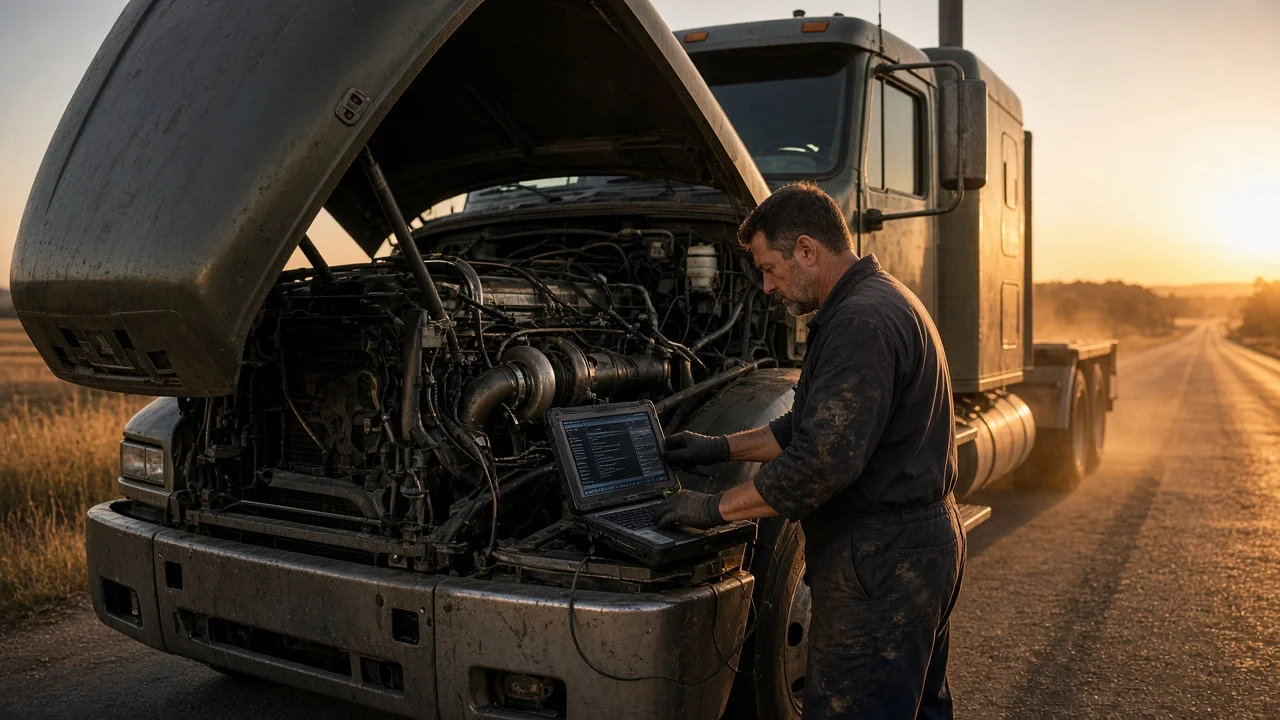
Diagnosing a Cummins torque derate begins with reading the active diagnostic codes rather than assuming the first code points to a failed component. A coolant temperature code, for example, may be caused by low coolant, poor airflow through the radiator, a sensor circuit concern, or a thermostat problem. Comparing the code with the symptom conditions helps determine what to check next. If the derate occurs only after prolonged hard pulls, heat-related protection is more likely. If it appears shortly after startup, a sensor or wiring fault may be more plausible.
Reviewing service history is valuable because recent cooling system repairs, aftertreatment service, or sensor replacement can change how the engine behaves. A physical inspection should look for obvious problems such as coolant leaks, restricted airflow, damaged charge air tubing, or loose electrical connectors. Manufacturer-dependent codes require vehicle-specific confirmation, especially when aftertreatment or emissions hardware is involved. If overheating, low oil pressure, or a severe warning accompanies the derate, stop the vehicle safely and avoid continued operation until the condition is evaluated. The derate itself shows that the control system is trying to protect the engine while the root cause still needs investigation.