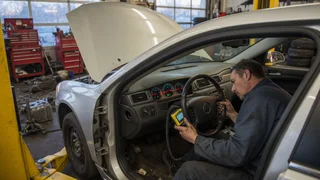
Diagnose a 2008 Chevy Impala dash brake warning
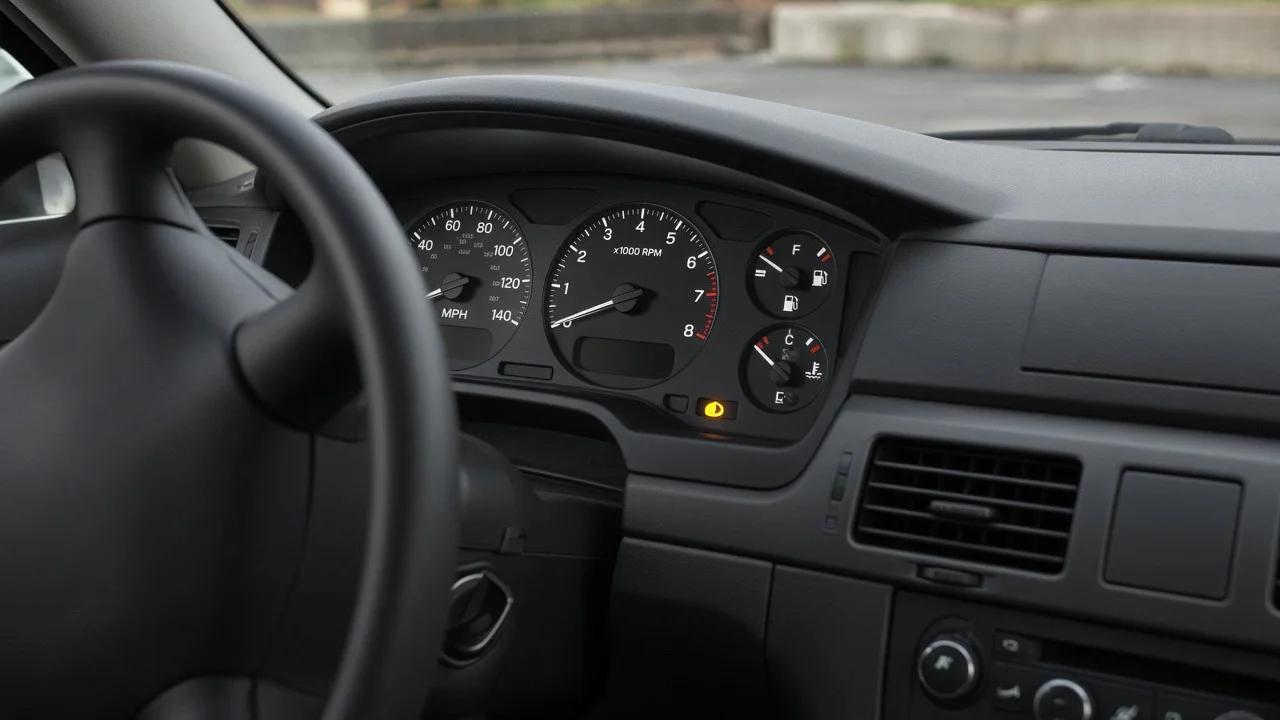
A dash brake warning on a 2008 Chevy Impala can mean several different things depending on which lamp is illuminated and what other symptoms are present. The red brake light often points to hydraulic system concerns such as low brake fluid or an engaged parking brake, while an amber ABS or traction lamp indicates issues within the antilock or stability control circuits. Because brake warnings appear for both routine reminders and serious hydraulic faults, the first step is to identify the exact warning and check the simplest observable causes before driving the vehicle.
Essential answer
The essential answer is that a brake warning on the dash of a 2008 Chevy Impala should be interpreted by identifying which light is on and under what conditions it appears. The red BRAKE indicator often illuminates when the parking brake is applied, when the brake fluid level in the master cylinder reservoir drops below a set point, or when a pressure imbalance exists between the front and rear hydraulic circuits. It can also come on briefly during startup as part of a bulb check.
A separate amber ABS warning typically signals that the antilock brake module has stored a diagnostic trouble code or lost communication with a wheel speed sensor. While the base hydraulic braking system usually continues to function with an ABS fault, the antilock assist may be disabled. If both the red brake and amber ABS lights come on together, the vehicle may have multiple related faults or a shared electrical or hydraulic issue that needs closer inspection.
Diagnosing a problem
Begin with the conditions that are easiest to verify. Confirm the parking brake pedal or lever is fully released, then check the brake fluid level at the master cylinder reservoir. A fluid level near or below the minimum mark can trigger the red warning, and low fluid often indicates that the brake pads have worn enough to allow the caliper pistons to extend farther, or that a leak exists somewhere in the system. Wetness around a wheel, along a brake line, or under the master cylinder should be treated as a serious hydraulic concern.
If the fluid level is normal and the parking brake is released, observe whether the warning stays on steadily, flickers, or appears only when the pedal is pressed harder than usual. A steady red light can point to an internal pressure differential in the combination valve, while an amber ABS light often requires reading the vehicle-specific diagnostic codes to determine whether a wheel speed sensor, wiring connector, or module concern is present. A soft or sinking pedal accompanied by a red warning means the vehicle should not be driven until the hydraulic system is inspected.