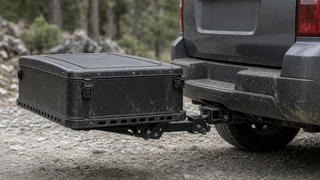
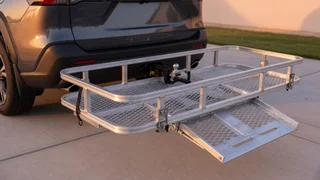
Detail K2 HCC502A aluminum cargo carrier

Choosing the right cargo carrier means balancing durable construction against the weight limits of both the vehicle and the hitch receiver. The “detail k2 hcc502a hitch mounted aluminum cargo carrier” search reflects a buyer researching a lightweight platform rather than a heavier steel tray. Aluminum changes how the carrier handles surface loads, mounting-point stress, and corrosion protection. The immediate question is whether this design suits the vehicle’s receiver class and cargo shape. The answer depends on matching the carrier’s stated load rating to the hitch’s actual capacity, checking clearance behind the tailgate, and confirming that the shank and pin holes align before a purchase.
The direct answer
A hitch mounted aluminum cargo carrier such as the HCC502A is a viable option when the combined weight of the platform and the cargo stays within the vehicle’s tongue-weight limit. The direct answer to choosing it is to buy only after confirming the receiver tube size, usually 2-inch in North American light trucks and SUVs, and comparing that with the carrier’s shank. Because aluminum resists rust better than bare steel, the surface material may last longer in wet or coastal regions, but corrosion protection still matters at steel hardware, welds, and contact points where moisture can sit between the shank and receiver.
Clearance is a practical condition that can change the decision. If the vehicle has a low hitch, a short departure angle, or a rear-mounted spare tire, the platform can scrape on driveways or block a swing-out door. Consider the cargo’s height as well. A tall cooler or bin placed at the rear edge may interfere with backup sensors or the license plate. Product compatibility therefore includes not only the receiver size, but also whether the raised shank places the aluminum tray far enough from the bumper and whether the pin holes line up without forcing the carrier into the receiver.