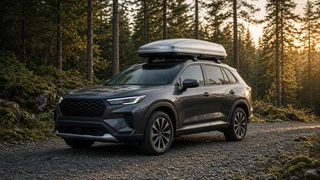
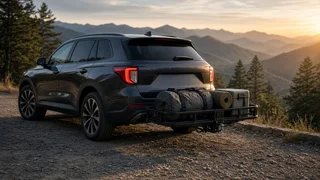
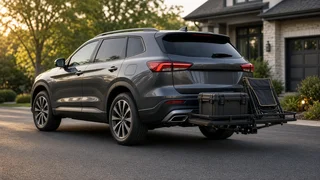
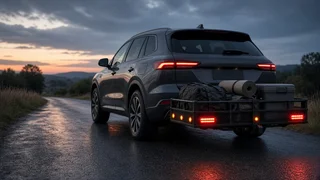
Detail K2 hitch mounted cargo carrier
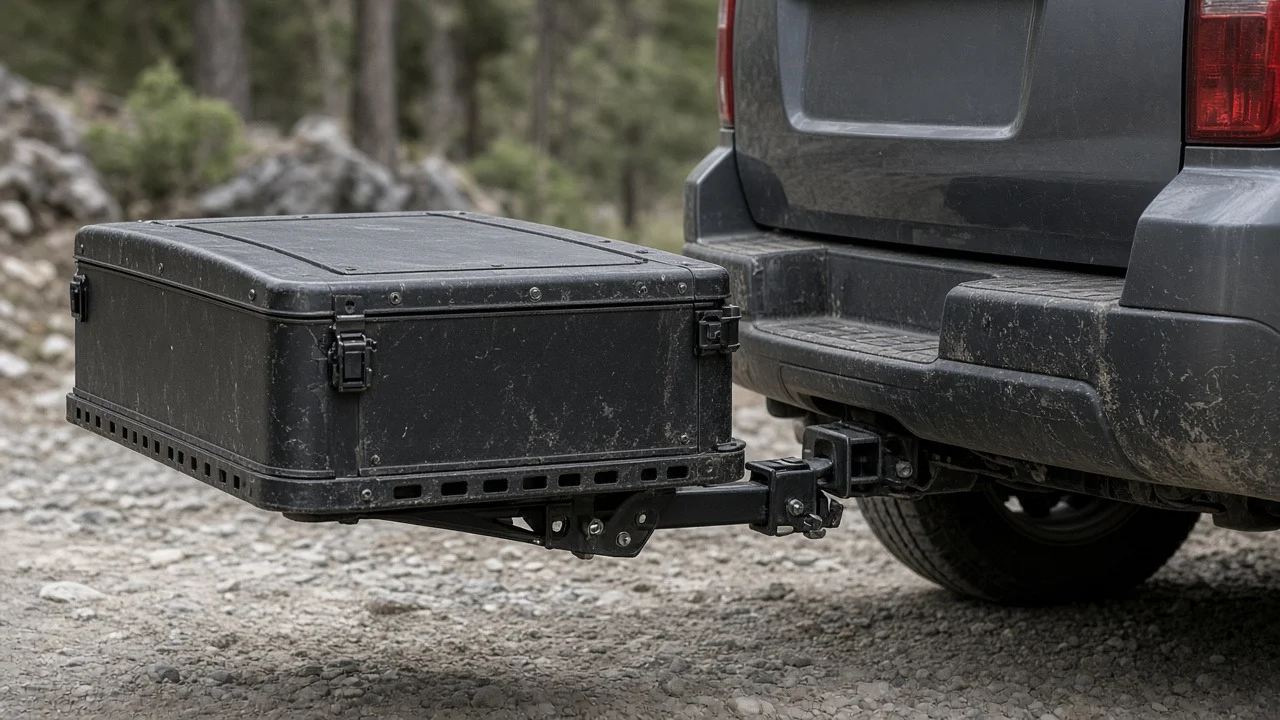
Choosing a hitch-mounted cargo carrier means matching the platform’s folded footprint, shank dimensions, and surface treatment to how you load and park the vehicle. The Detail K2 collapsible design is a useful category example for expanding hauling space behind an SUV, crossover, or truck without a trailer. Understanding the carrier’s rack construction, mounting hardware, and folded storage position helps you judge whether a particular DK2 aluminum cargo carrier fits your receiver, clears the rear bumper and exhaust, and leaves enough departure-angle room for driveways and uneven ground before you purchase.
The direct answer
The immediate answer is that the Detail K2 hitch mounted cargo carrier may work for your vehicle if your trailer hitch receiver has the matching nominal size, commonly a two-inch opening on this style, and if your planned loaded weight stays within the platform’s published load rating. The supporting shank slides into the receiver tube and is secured with a hitch pin, so product compatibility depends less on the vehicle’s body style than on the receiver class, pin-hole location, and the clearance behind the bumper. Because the carrier extends rearward, the loaded basket changes both overall length and rear overhang, which affects how sharply you can enter driveways or back toward a curb.
The practical condition to confirm is folded and loaded clearance, not just whether the shank inserts. A collapsible cargo carrier with an aluminum deck reduces corrosion risk and keeps unladen weight manageable, but a loaded platform still concentrates mass behind the rear axle. Pay attention to surface material and coating at welds and bolt points, since road spray and winter de-icing chemicals attack bare edges first. Also check that the mounting points, anti-rattle hardware, and license-plate visibility remain usable after the carrier is folded upright against the tailgate or hatch, because that stored position is where many clearance and access problems appear.