Deep Dish Wheel Offset

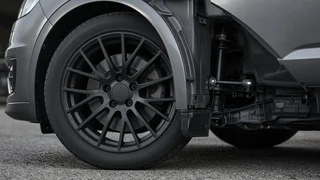
Deep dish wheel offset describes a wheel design where the mounting face sits far enough inward to create a visibly recessed center and a pronounced outer lip. The offset number itself measures where that hub mating surface falls relative to the wheel’s centerline. A lower or negative offset pushes the entire rim outward, while the deep look depends on the relationship among rim width, barrel depth, and suspension clearance. This guide explains what the term means, why it affects fitment, and how to evaluate it without guessing.
Essential answer
Wheel offset is the distance from the wheel’s mounting surface to the centerline of the rim. A zero offset places the mounting pad exactly in the middle of the rim width. Positive offset moves that pad toward the outer face, common on many front-wheel-drive cars, while negative offset moves it toward the inside of the barrel. A deep dish appearance usually comes from a lower offset combined with a wide rim, because the mounting face sits farther inward and leaves more visual depth in the outer lip.
However, rim width and offset must be considered together. A wide wheel with a moderate positive offset can still show some lip, but a narrow wheel with only a negative offset may not produce the expected deep look. The dish itself is not measured separately from offset; it is the visual result of where the center sits within the barrel. Checking rim diameter, rim width, offset, bolt pattern, and tire compatibility together gives a more accurate picture than reading offset as a style spec alone.