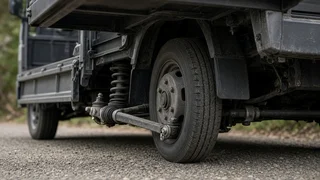
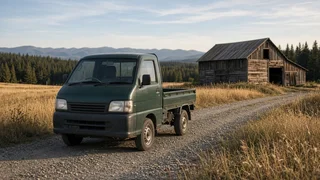
Daihatsu Japanese mini truck
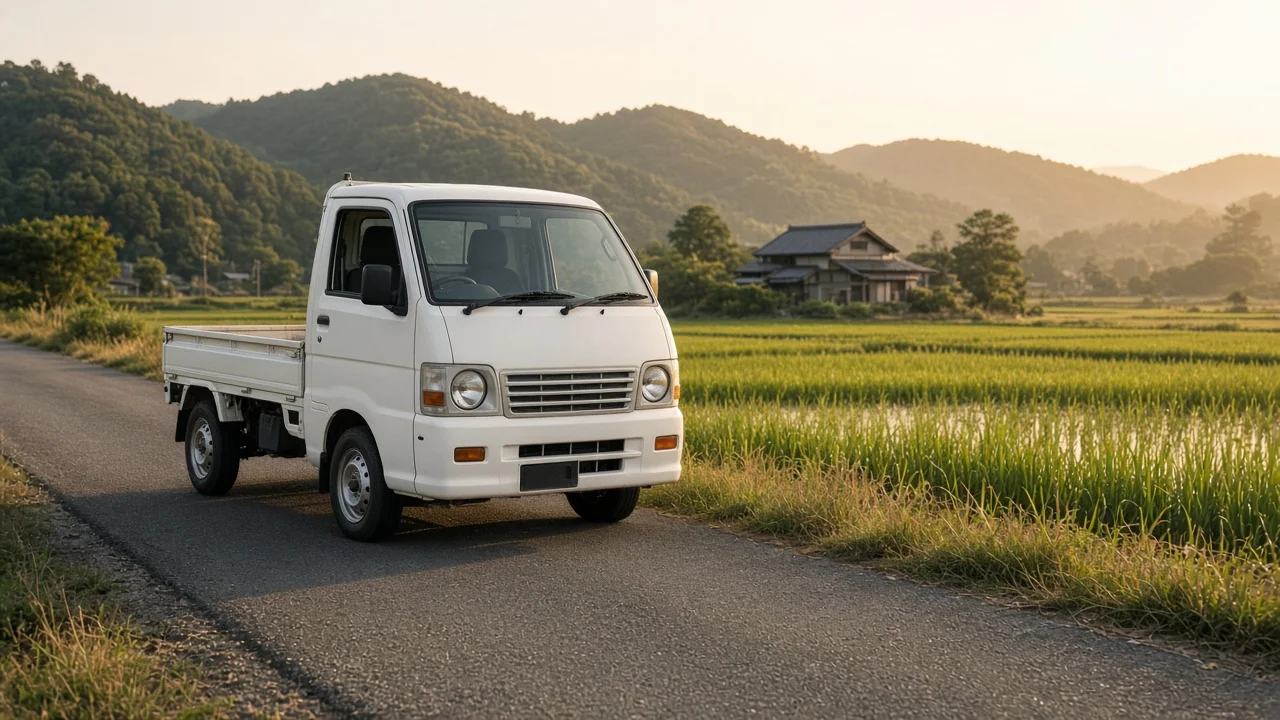
A Daihatsu Japanese mini truck is a small, cab-over utility vehicle built primarily for the Japanese domestic market and later imported or replicated for overseas buyers. These narrow kei-class trucks prioritize maneuverability, low running costs, and compact cargo capacity over passenger comfort or highway cruising. For a US reader, understanding the vehicle class, powertrain layout, and body configuration matters because registration, parts availability, and practical duty cycles differ from a conventional half-ton pickup. The essential answer is that this is a purpose-built lightweight work vehicle defined by its compact footprint and simple mechanical package.
Essential answer
The Daihatsu Japanese mini truck belongs to the kei truck vehicle class, a category shaped by Japanese regulations that reward very small external dimensions and modest engine displacement. Its typical body configuration places the cab over or ahead of the front axle, which maximizes the load bed length within a short overall envelope. The result is a vehicle segment distinct from standard compact pickups: it trades cabin space, crash structure depth, and top-speed stability for exceptional agility in tight farm rows, warehouses, and narrow residential streets.
A practical interpretation for a US owner is that these trucks are best understood as specialized equipment rather than general-purpose transportation. The powertrain layout usually mounts a small gasoline engine under the cab or between the seats, driving the rear wheels through a manual transmission and selectable four-wheel drive on many examples. The seating layout normally accommodates two occupants, while the fold-down cargo sides and low bed height improve loading. Different model generations and import batches may vary in detail, so a specific truck should be checked against its own compliance and parts path.