CURT trailer safety chains
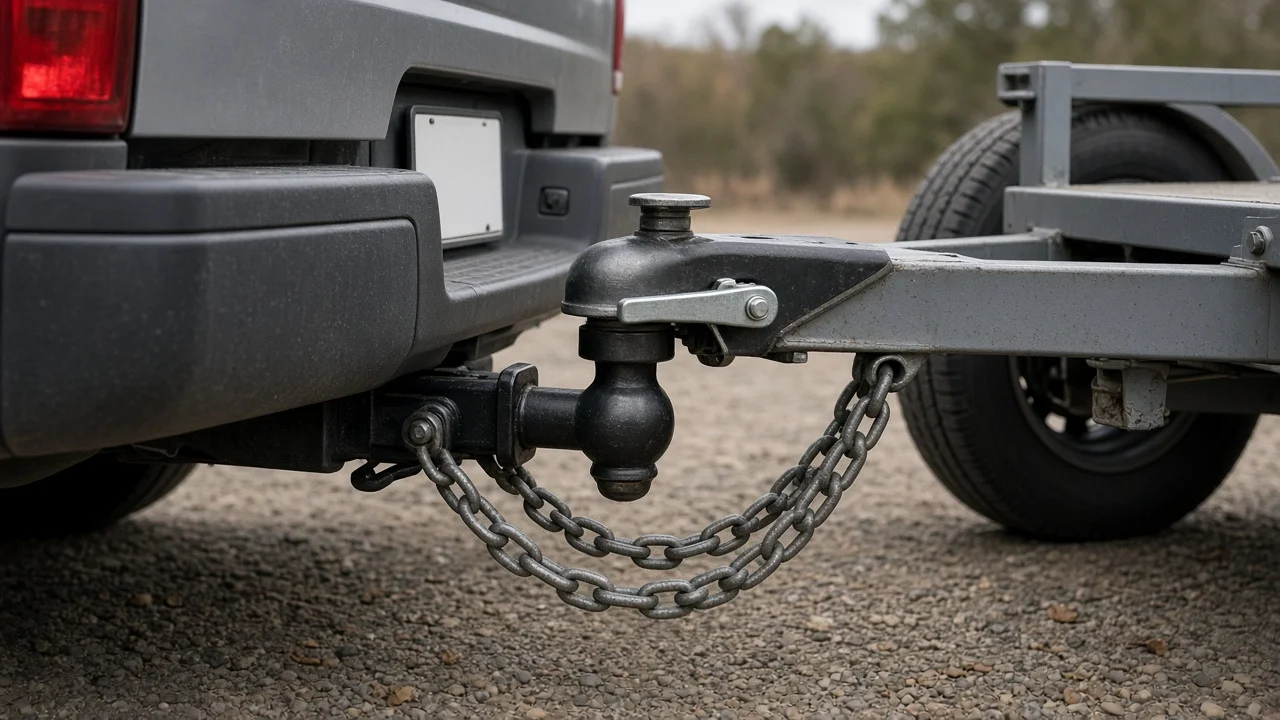
Choosing CURT trailer safety chains means matching the connection to the way you actually tow. The chains are the backup link that keeps a trailer attached if the coupler separates from the hitch ball, so their length, strength, and mounting condition matter as much as the primary connection. Weight ratings, tongue load, axle capacity, and combined weight all shape which chain setup is appropriate. Before buying, check the trailer tongue configuration, the attachment points, and the gross vehicle weight rating so the safety chain can perform under real load without dragging or binding.
The direct answer
The immediate question is which CURT trailer safety chains suit your towing setup. Start by confirming that the chain capacity clearly exceeds the trailer's gross vehicle weight rating, not merely its empty weight. A chain rated far below the loaded trailer cannot serve as a reliable emergency link. CURT offers chains in different lengths, link diameters, and end fittings, so the correct choice depends on the trailer tongue configuration and the hitch receiver height. Without that match, an otherwise strong chain may be too short during turns or too long to stay clear of the ground.
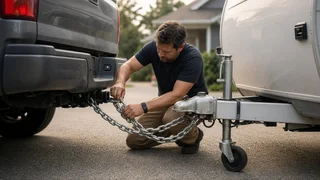
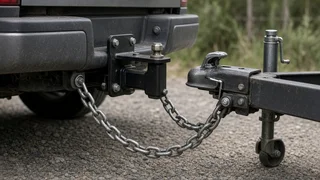
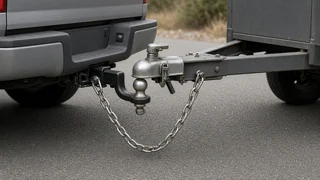
A practical next step is to measure the existing attachment points and compare them with the chain's hooks or clevis ends. The safety chain must cross beneath the coupler and connect to the hitch's designated loops, allowing enough slack for articulation while preventing the tongue from dropping to the road. The chain rating should also be considered alongside the combined weight rating of the tow vehicle and trailer. If the trailer has multiple axles or a heavy payload, a single lightweight chain pair is not a suitable substitute for properly rated safety equipment, regardless of how secure the coupler feels.