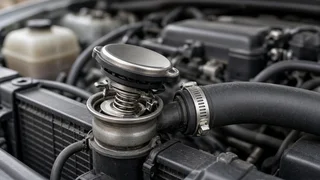
Cummins Radiator Cap Pressure (ISX, N14)
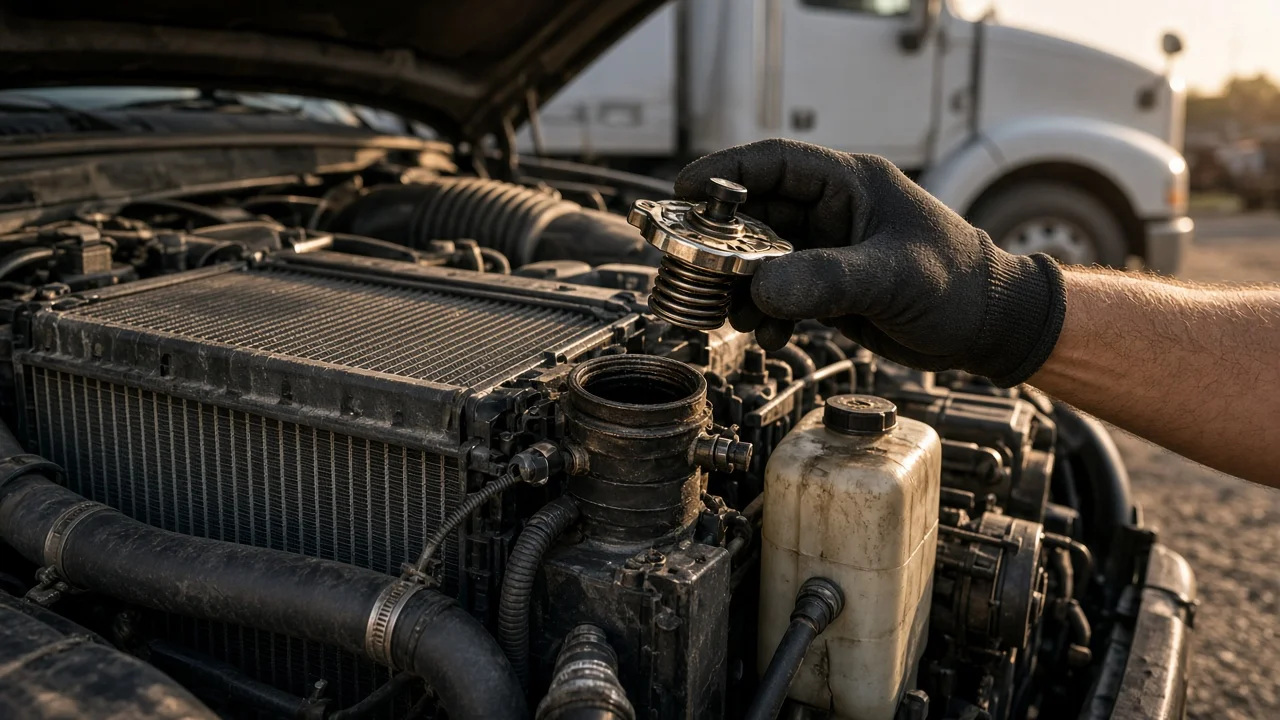
Cummins ISX and N14 cooling systems rely on more than coolant flow and airflow. The radiator cap is a calibrated pressure-control device that raises the boiling point and manages expansion volume in the sealed cooling circuit. Researching the correct cap pressure matters because a cap rated too low can release coolant too early, while too high may load the radiator, hoses, heater core, and gasket surfaces beyond design intent. Understanding how the pressure cap behaves under a heavy-duty diesel heat load helps owners avoid misdiagnosing overflow, coolant loss, air pockets, and temperature instability caused by the wrong component.
Essential answer
The radiator cap for Cummins ISX and N14 engines must match the cooling circuit's designed pressure range, but a single universal value is not safe to assume. Heavy-duty diesels typically use higher system pressure than light-duty gasoline engines because increased pressure raises the coolant boiling point and helps resist localized boiling around cylinder liners, injector sleeves, and the exhaust side of the head. The ISX and N14 may use different cap ratings depending on charge-air cooler configuration, radiator tank design, and fleet specification, so the cap is selected as part of a matched cooling package rather than as an isolated accessory.
When owners search for Cummins radiator cap pressure, the essential issue is usually not the exact mold number but whether the installed cap holds and releases at the intended threshold. A weak cap can allow hot coolant to escape into the recovery tank too early, producing low-speed temperature rise after shutdown and a cooling system that never returns all the fluid during cool-down. A cap with too high a rating may not vent at the expected pressure, increasing stress on radiator seams and older hoses. Verifying the cap against the engine family’s published cooling system specification is the correct first interpretation.