Cummins Fault Code 143: Oil Rifle Pressure
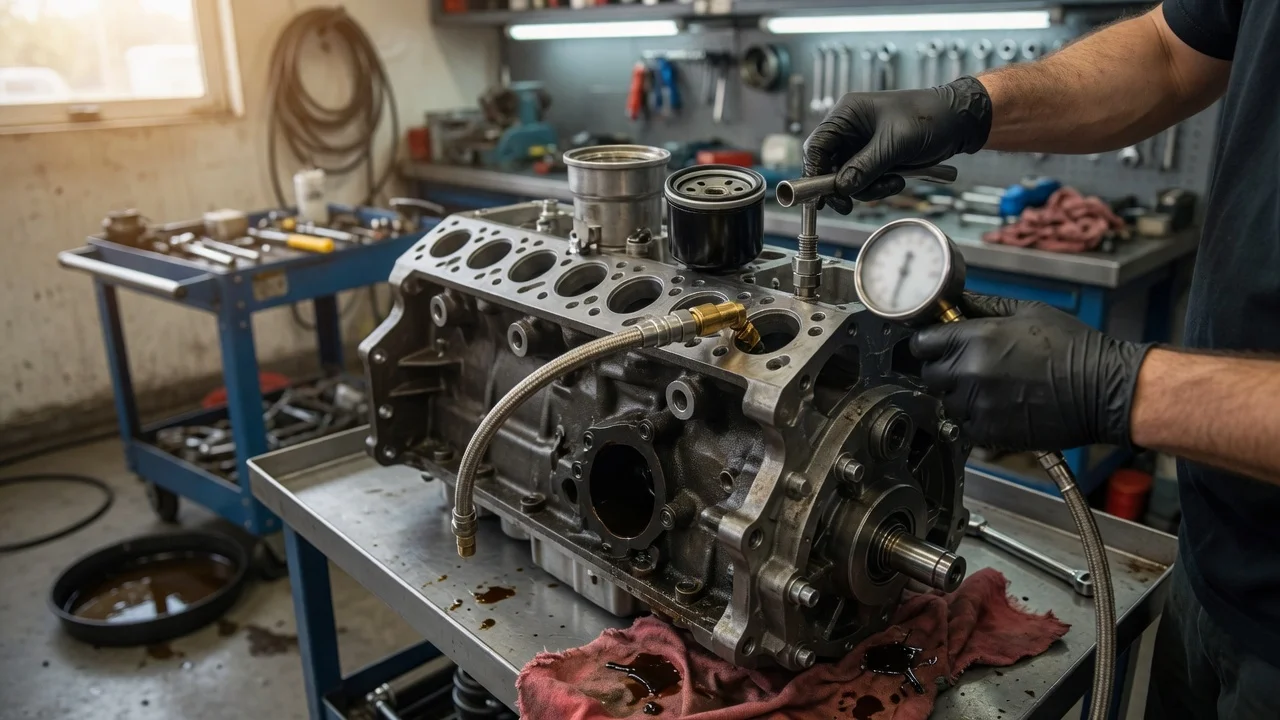
What Cummins fault code 143 means
Cummins fault code 143 indicates an oil rifle pressure condition. The oil rifle is the oil gallery or pressure rail that distributes lubricating oil from the pump through the engine. This fault code typically means the engine control module has received an oil pressure signal that is outside the expected range for the operating conditions. The code alone does not identify the failed component.
What the code may be reporting
The condition can involve low pressure, high pressure, or a signal issue depending on the engine family and calibration. The term oil rifle pressure is used in Cummins engine data to distinguish the oil gallery supply from other pressure measurements such as coolant, fuel, or turbocharger system pressure. Without the exact engine model, model year, and calibration, the specific trigger point and threshold cannot be stated with certainty.
Possible causes
Several conditions can produce this code. They should be separated from the fault code itself before any part is replaced.
Low oil level or incorrect oil viscosity. A restricted oil filter or pickup screen. A failing or worn oil pump. Excessive bearing clearance or other internal oil leakage. A faulty oil pressure sensor. Damaged wiring or connector terminals in the oil pressure sensor circuit. A calibration or engine control module issue.
Checks that can help tell the causes apart
The first step is to compare the diagnostic oil pressure reading with a known good mechanical gauge if the engine can be safely run. Engine oil pressure must be interpreted at the specified engine speed and temperature. A reading at idle is not a substitute for a reading under higher-speed test conditions when available.
If the mechanical gauge agrees with the diagnostic reading, the condition is likely an actual oil system pressure problem, not a sensor fault. If the mechanical gauge shows normal pressure while the diagnostic reading is abnormal, the sensor, circuit, or module input becomes the more likely path.
A wiring and connector inspection should include terminal condition, corrosion, pin fit, and damage. Sensor circuit tests are meaningful only when the correct procedure, expected voltage or resistance values, and engine-off conditions for the specific model are known. The exact test specifications were not supplied and are vehicle dependent.
What the oil pump and internal checks can support
If confirmed low pressure exists, continue with the least invasive checks first. Confirm the oil level and condition, inspect for a restricted pickup or filter, and check the pressure relief valve if data is available. A worn pump can reduce pressure under load or at speed, but bearing clearance and internal leakage can create a similar result. These causes cannot be separated by the code alone.
What the code can and cannot do
Cummins fault code 143 points toward an oil rifle pressure condition. It is not proof that the oil pressure sensor or the oil pump is defective. Engine oil pressure is highly dependent on speed, temperature, oil viscosity, and engine wear. Because these thresholds and test criteria are model and calibration specific, the code should be used with the applicable Cummins service information for the exact engine rather than as a standalone diagnosis.