Cost to Re-Bead a Tire
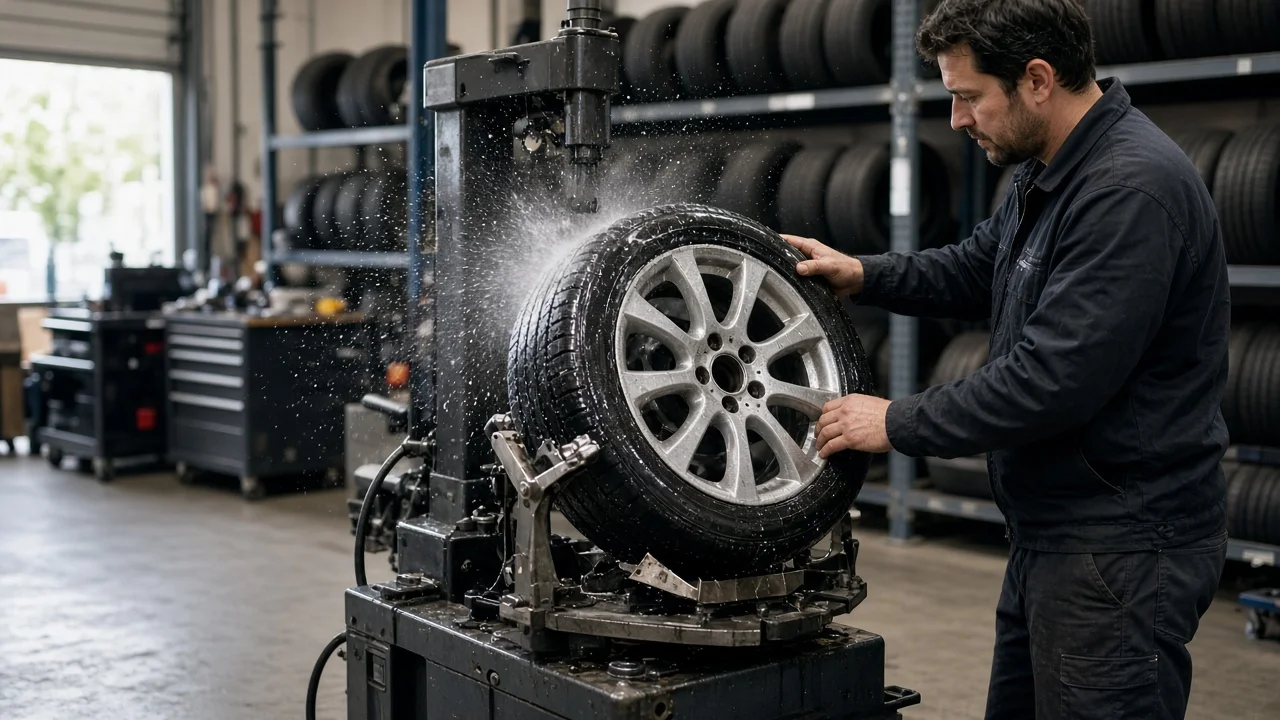
A tire that loses its seal against the wheel can leave you stranded even when the tread looks fine. Re-beading restores that critical seat between the tire bead and rim flange so the assembly holds inflation pressure again. The price depends on where the work is done, why the bead separated, and whether the tire or wheel needs cleanup. Understanding the labor involved, the role of tire size and inflation pressure, and what a shop inspects helps you judge a fair charge and avoid paying for unnecessary replacement.
The direct answer
Expect a typical passenger-vehicle re-bead to be a modest shop-labor charge rather than a major repair. Many independent tire stores and service centers bundle the work with mounting and balancing, so the cost often falls near a standard dismount, rim cleanup, bead lubrication, and reinflation fee. The exact amount varies by region, shop rate, and whether the tire is already off the vehicle. If the wheel and tire are carried in loose, the job is quicker and should cost less than a service call that includes roadside assistance.
The condition that changes the price most is hidden damage. If the tire sidewall was run while deflated, the inner liner may be scraped or heat-damaged, and a safe repair may require replacement instead of simple reseating. Corrosion on the rim bead seat also adds labor because the technician must clean the sealing surface before the tire will hold air. A straightforward reseat with no damage is inexpensive, while a replacement tire or wheel repair moves the total well beyond the basic re-bead fee.