Corvette Magnetic Ride Control: Options and Buying Considerations
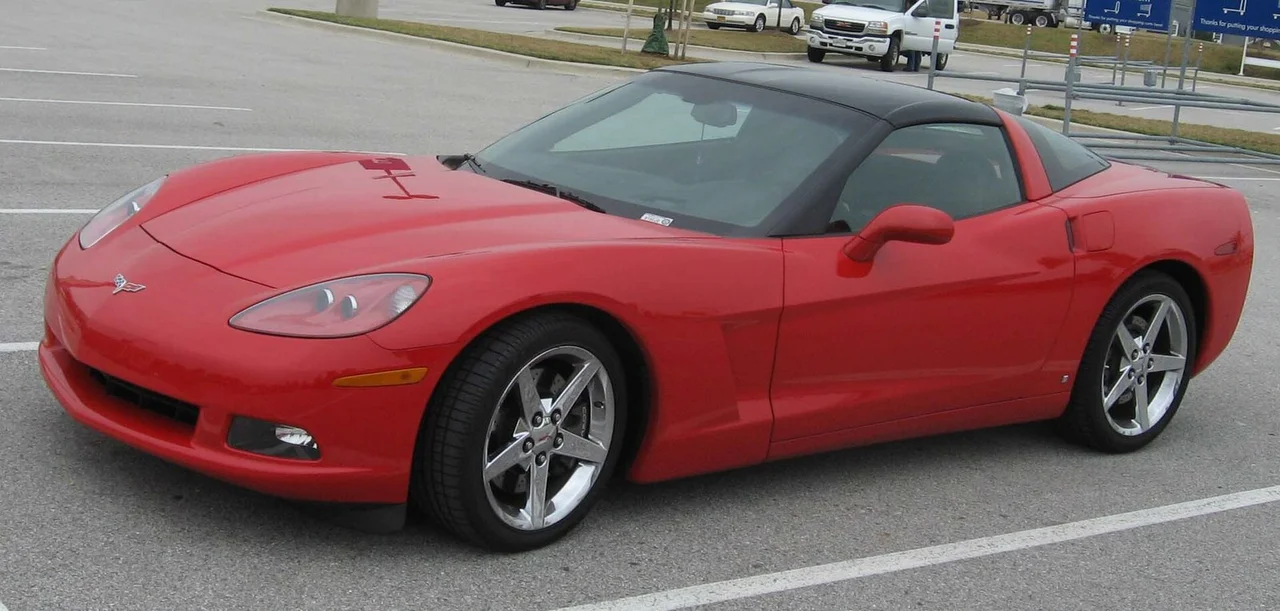
Magnetic Ride Control on a Corvette uses dampers filled with magnetorheological fluid, a fluid whose resistance changes when a control module varies the current sent to an electromagnet inside each damper piston. When a damper leaks, a suspension warning appears, or the car is being modified, owners face a choice between replacing like for like and converting to a different damper type. This guide covers how to match that decision to the car's use, confirm compatibility and anticipate ownership costs before buying.
Define the job the product must do
Start with how the car is actually driven. A Corvette used for commuting and touring benefits most from the system's ability to soften on rough pavement and firm up in corners, so keeping the magnetic setup usually makes sense. A car that sees regular track days may justify dampers with different valving or a coilover conversion, while a car valued for originality or resale is usually best kept with factory-type magnetic dampers. Budget, how long you plan to keep the car and whether you are willing to live with a less compliant ride all shape the answer.
Confirm the problem before buying parts. A suspension service message can come from a failed damper, but also from a damaged wiring harness, a corroded connector, a faulty ride height sensor or a control module issue. A scan tool that reads chassis codes narrows this down. Also inspect the rest of the suspension: worn bushings, joint play in ball joints or tie rod ends, and damaged mounting points can produce noises and handling complaints that new dampers will not cure.
Check compatibility
Magnetic ride control has been offered across several Corvette generations, beginning in the early 2000s, and the dampers, electrical connectors and control calibrations differ between generations. Parts are not interchangeable across generations, and within one generation front and rear dampers differ, as can dampers for different trims and performance packages. On several model years, magnetic ride was offered alongside or as part of the Z51 performance package, so a Z51 car is not automatically a magnetic ride car. Confirm the original equipment from the factory option code label or build documentation, and compare the part number on the existing damper when it is readable.
Check the physical interfaces as well: upper and lower mounting points, bushing or eye dimensions, stud length, shaft size and the routing of the electrical lead. Ride height sensors are part of the system, so any product that changes ride height or sensor linkage geometry must account for them. Use the fastener specification from the model-specific service information rather than generic values, because suspension fasteners on these cars often have defined torque procedures and some are intended to be tightened with the suspension at normal ride height.
Features that affect the choice
The main options fall into a few groups. New factory-type magnetic dampers restore original behavior and keep every drive mode working. Remanufactured magnetic units cost less but vary in quality, so the remanufacturing process, testing method and warranty terms matter more than the price. Some aftermarket magnetic-compatible dampers use the factory control system but with revised valving, aiming for firmer or more controlled behavior. Non-magnetic dampers or coilovers remove the variable damping entirely and require an electronic solution, often sold as an eliminator kit, to prevent warning messages and allow the control module to operate without the dampers.
Treat marketing labels such as track-tuned, OE-plus or performance-calibrated as claims that need supporting detail. Useful evidence includes whether the unit is new or remanufactured, what the warranty covers and for how long, whether a core return is required, whether the product works with the factory drive mode selector, and whether any reprogramming or calibration is expected. If a converter or eliminator is involved, ask what happens to other systems that read suspension data, since some functions may be affected.
Limitations and ownership costs
Magnetic dampers generally cost more than conventional dampers and are not designed to be rebuilt by owners. Many sellers charge a core deposit refunded when the old unit is returned in acceptable condition. Replacing dampers in axle pairs is common practice to keep handling balanced, which doubles the parts cost compared with replacing a single failed unit. After installation, stored fault codes may need to be cleared with a scan tool, and any intermittent wiring fault that caused the original problem will return if it was not repaired.
Installation requires proper vehicle support: lift the car only at the manufacturer's designated lift points and support it on rated stands before working under it. Follow the model-specific procedure for disconnecting and reconnecting the damper's electrical lead and for tightening hardware. If the job changes ride height or disturbs suspension geometry, a wheel alignment to the vehicle's published specifications is needed afterward. Keep in mind what dampers cannot do: they do not set ride height, which is determined by the springs, and they will not correct worn bushings, loose joints or a bent component.
Build a practical shortlist
Narrow the candidates with a short set of questions. Does the product match your generation, trim, axle position and confirmed factory option? Does it keep the magnetic function, and if not, does the kit include a supported way to manage the control module and warning messages? Is the unit new or remanufactured, and are the warranty length, core charge and return conditions stated clearly? Does it fit the existing mounting points and electrical connector without modification?
Then weigh the practical side. Compare the total cost for a full axle pair, including any core deposits, alignment and diagnostic time, rather than the single-unit price. Decide whether you value the factory drive mode behavior, a firmer track-oriented feel or the lowest repair cost, and choose the option group that serves that priority. Before ordering, finish the diagnosis so you know the damper is the real fault, and check the surrounding suspension for joint play or worn bushings so the new parts are installed on a sound foundation.