C6 Corvette Magnetic Ride Control: Model-Year and Equipment Guide
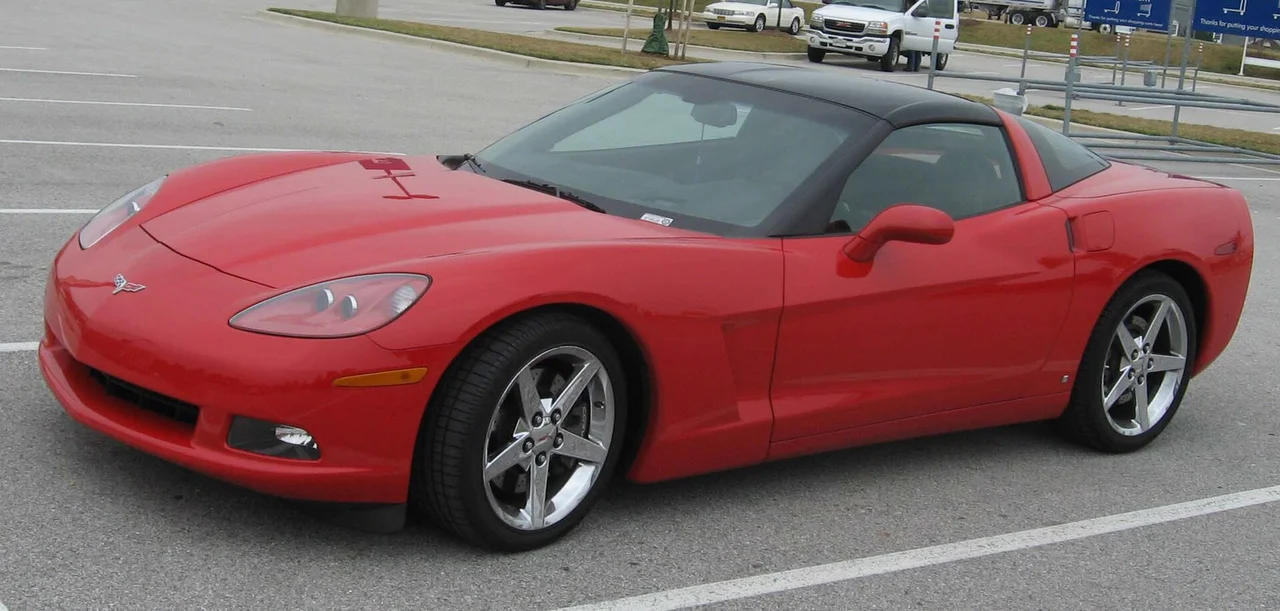
Magnetic Selective Ride Control, listed under the regular production option code F55, was offered during the 2005–2013 C6 Corvette run, but not on every trim or in every package. You might be shopping for a used car, replacing a leaking damper or considering a switch to conventional shocks. In every case, start by confirming what your car actually has. This guide explains how the system works, which C6 models carried it, and what to compare before you buy parts.
Define the job the suspension must do
The C6 magnetic system uses dampers filled with magnetorheological fluid, which contains fine iron particles. An electromagnetic coil in each damper piston changes how thick that fluid behaves when current is applied, so damping can change almost instantly. A suspension control module reads wheel position sensors and other vehicle inputs and adjusts each corner continuously. A console selector lets the driver choose between Tour and Sport modes, which shifts the overall damping calibration but does not change spring rate or ride height.
Before you choose parts, be clear about the car's role. A daily driver or long-distance tourer benefits most from the system's ability to soften small impacts while still controlling body motion. A car used for autocross or track days places more heat and load on the dampers, so durability and consistent calibration matter more than comfort. Owners repairing a single failed corner usually face a narrower decision: keep the system fully functional, or accept the trade-offs of converting to non-magnetic dampers. Budget, originality for resale and how long you plan to keep the car all shape the right answer.
Check compatibility by model year and trim
On base coupes and convertibles from 2005 through 2013, F55 was an optional suspension. On those cars it was generally ordered as an alternative to the Z51 performance package rather than alongside it. The Grand Sport, built from 2010 through 2013, also listed it as an option. The ZR1, built from 2009 through 2013, came with magnetic damping as standard. The Z06 used conventional dampers for most of its run. Starting with the 2011 model year, a Z06 ordered with the Z07 Ultimate Performance Package received magnetic dampers as part of that package. So a 2007 Corvette could have the system only if it is a base coupe or convertible built with F55, while a 2007 Z06 could not. Some special editions bundled equipment differently, so treat any trim-level rule as a starting point rather than proof.
Confirm the equipment on the car itself. Look for the F55 code on the Service Parts Identification label, and check for the Tour and Sport selector on the console. With the car safely supported, you can also look for an electrical connector at each damper and a position sensor linkage at each wheel. Do not rely on a seller description, badge or aftermarket wheel package. Replacement dampers are specific to front or rear and to the application, and calibrations can differ between base, Grand Sport, Z06 and ZR1 cars. A damper that bolts into the mounting points is therefore not automatically the correct part. Match part numbers to the exact year, trim and option content.
Features that affect the choice
Replacement paths fall into three broad groups. You can buy new magnetic dampers, buy remanufactured magnetic dampers, or switch to non-magnetic dampers sold as conversion kits. New and remanufactured magnetic units keep the Tour and Sport modes and the adaptive behavior, but they cost more. Remanufactured units often carry a core charge that is refunded only when the old damper is returned in acceptable condition. Conversion kits lower the parts cost, but they remove adaptive damping entirely. The control module may also set a fault and display a suspension service message unless the kit includes a way to address it. Ask exactly how a kit handles that before buying, and whether the change is reversible.
Marketing terms such as OE-equivalent, track-tuned or plug-and-play tell you little on their own. Useful evidence is more concrete: a published fitment list by model year and trim, a clear statement of new versus remanufactured, written warranty terms, and the core return conditions. For conversions, you also need a description of what happens to the selector and warning messages. Replace dampers in axle pairs where practical. A new unit on one side and a worn one on the other can make the car feel uneven and can complicate diagnosis later.
Limitations and ownership costs
Installation calls for proper vehicle support. Lift the car only at the manufacturer's specified lift points and hold it on rated stands, never on a jack alone. Support the lower control arm when a damper is unbolted so the arm does not hang on brake lines, sensor wiring or ball joints. Disconnect damper connectors gently, and reroute harnesses away from moving parts and exhaust heat. Tighten every fastener to the fastener specification in the factory service information. Where the procedure calls for it, final-tighten bushing fasteners with the suspension at normal ride height so the bushings are not preloaded. If you disturbed control arms, ride height adjusters or mounting points, a wheel alignment check is sensible before regular driving.
A suspension warning does not always mean a failed damper. Position sensors, connectors, wiring damaged by road debris or corrosion, and the control module itself can also set faults. Read the stored codes with a scan tool that can access chassis modules before ordering parts. While the car is apart, check ball joints and bushings for joint play, because worn components can cause clunks or wandering that resemble damper problems. Keep the limits of the system in mind. It cannot correct sagging leaf springs, an incorrect ride height, worn steering parts or poor alignment. Budget for those inspections and for an alignment check alongside the dampers themselves.
Build a practical shortlist
Start your shortlist by confirming the F55 code, model year and trim, and by reading any stored suspension codes. Then decide whether you want to keep adaptive damping or accept a conversion. For each candidate part, write down the part number and confirm it is listed for your exact car and corner. Note whether the part is new or remanufactured, the warranty length and coverage, the core charge and return terms, and, for conversions, how the warning message and console selector are handled.
Finally, add the costs that sit outside the damper price. These include any worn ball joints or bushings found during inspection, an alignment check if suspension geometry was disturbed, and labor if you are not doing the job yourself. Compare the complete options side by side rather than the damper price alone. Choose the one that matches how you drive the car and how long you intend to keep it, not a generic best-product claim.