Conversion van vs truck camper
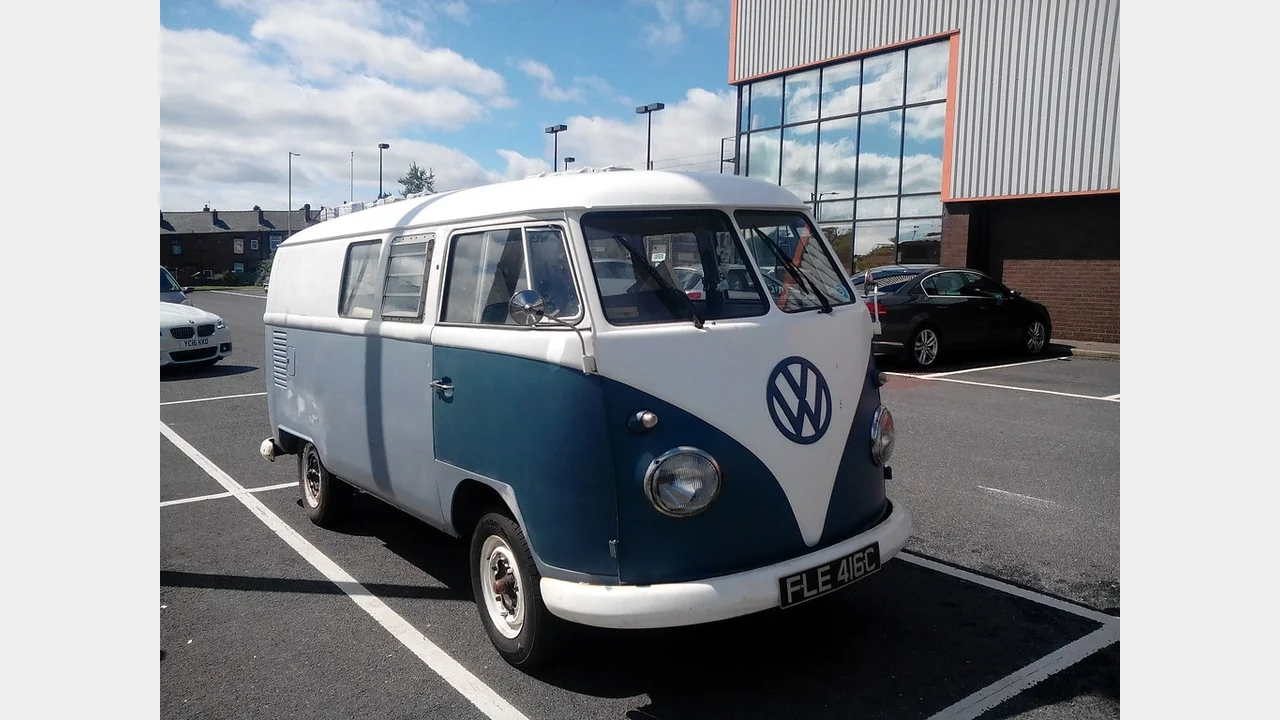
Deciding between a conversion van and a truck camper means choosing between two fundamentally different travel styles. A conversion van integrates living space into a single vehicle, while a truck camper loads a removable habitat onto a pickup bed. The better choice depends on how you plan to drive, park, and use the rig. This comparison explains the key tradeoffs in comfort, maneuverability, and flexibility so you can match the platform to your typical trips rather than to a single vacation.
Direct answer
For most owners who want everyday usability and quick setup, a conversion van is the more practical choice. The van keeps all living and driving space under one roof, so you can move from the driver seat to the sleeping area without stepping outside. That unified body configuration simplifies parking, security, and foul-weather travel. A truck camper becomes the stronger pick when you already own a suitable pickup, need to haul the camper off the truck at camp, or want to access rough terrain that a long van body may not clear.
The comparison hinges on how the payload is carried. A truck camper sits above the bed rails and raises the center of gravity, which changes cornering feel and side-wind behavior more than a loaded van. A conversion van spreads weight low between the axles and typically feels more settled on sweeping highway curves. In contrast, the camper preserves the truck for daily chores once the unit is unloaded. Choosing between truck camper vs van conversion therefore starts with whether you value a single multipurpose vehicle or a modular truck and habitat combination.