Box Van / Box Truck Camper Conversion
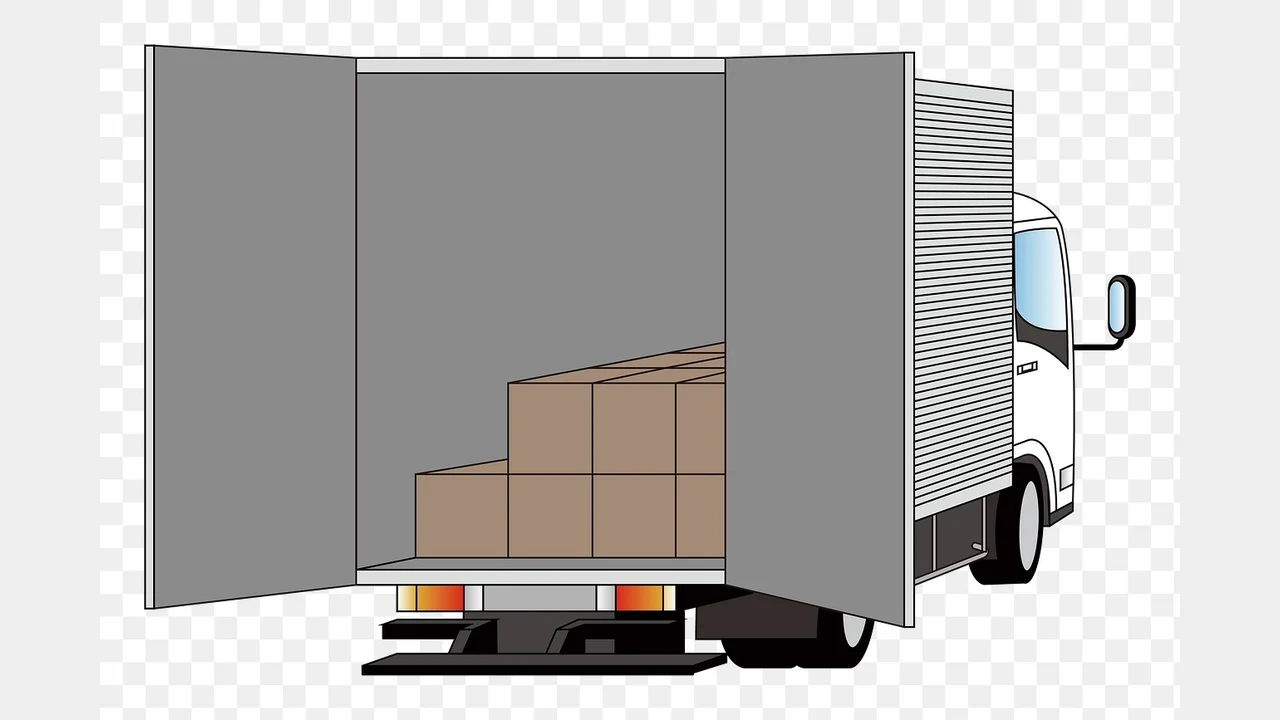
A box van camper conversion turns the square, high-roof cargo area of a step van or box truck into a living space that is wider and more upright than most passenger vans. This approach interests people researching a box van conversion camper because the body configuration creates flat walls, a rectangular floor, and generous cargo access through a rear roll-up or swing door. The result can feel like a small studio apartment on wheels. For a US builder, the market specification of medium-duty commercial chassis also shapes how the camper rides, carries weight, and fits into ordinary parking, campgrounds, or residential streets.
Essential answer
A box van camper conversion is the process of taking a commercial box van or box truck body and equipping it for sleeping, cooking, and basic living. The essential difference from a box truck camper van conversion based on a standard cargo van is the structure: a separate aluminum or fiberglass box mounted behind the cab or on a cutaway chassis. That gives tall interior walls and a nearly flat load floor with no wheel arches intruding as far into the living area. The rectangular shape simplifies cabinet layout, bed platforms, and insulation compared with curved van walls.
The scope includes a basic no-build weekend sleeper up to a fully insulated conversion with a fixed bed, galley, electrical system, and bathroom. A builder does not need to own a specialized motorhome chassis; used delivery trucks and rental-fleet vehicles are common starting points. Still, the powertrain options matter because a loaded camper conversion can be heavier than the original cargo use. A heavier body also changes handling, brake temperatures, and acceleration, so the direct answer includes choosing a chassis rated for the intended camping weight rather than treating every box van as the same blank canvas.