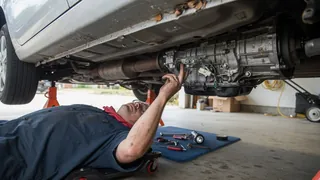
Clunk when shifting into drive or reverse
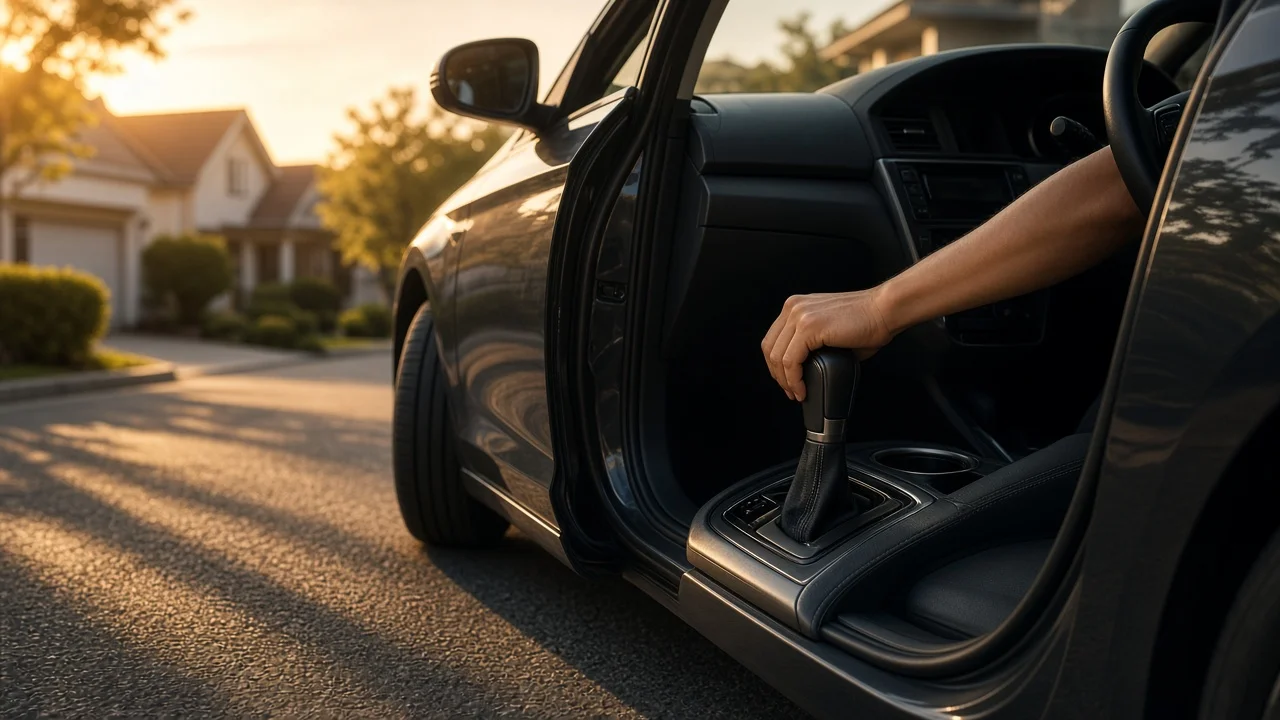
A sharp clunk when shifting into drive or reverse is usually the sound of driveline slack being taken up suddenly. The noise often comes from normal clearance in the transmission, axles, driveshaft, or engine and transmission mounts, but it becomes noticeable when idle speed is elevated or a mount has hardened. Understanding where the lash lives and why the engagement feels abrupt can help distinguish an annoying characteristic from an early sign of wear.
Essential answer
A clunk when shifting into drive or reverse means that free play somewhere between the transmission output and the wheels is being closed with a jolt. In many vehicles, the engagement is not silent because the engine is applying torque before the parking pawl, differential, or axle splines have fully loaded. The sound can be a normal byproduct of how the automatic transmission engages first gear while the torque converter is already transmitting a slight push.
The scope of the answer changes with severity and location. A soft, single thud that appears during the first shift after a cold start often differs from a harsh metallic bang that repeats during a brief route segment with frequent direction changes. Mount condition, idle speed, and whether the clunk happens on level pavement or on a grade can all materially change the cause. Confirming when and where the noise occurs is the first step to a useful diagnosis rather than assuming a failed component.