Why Does a Car Clunk When Shifting Into Drive?
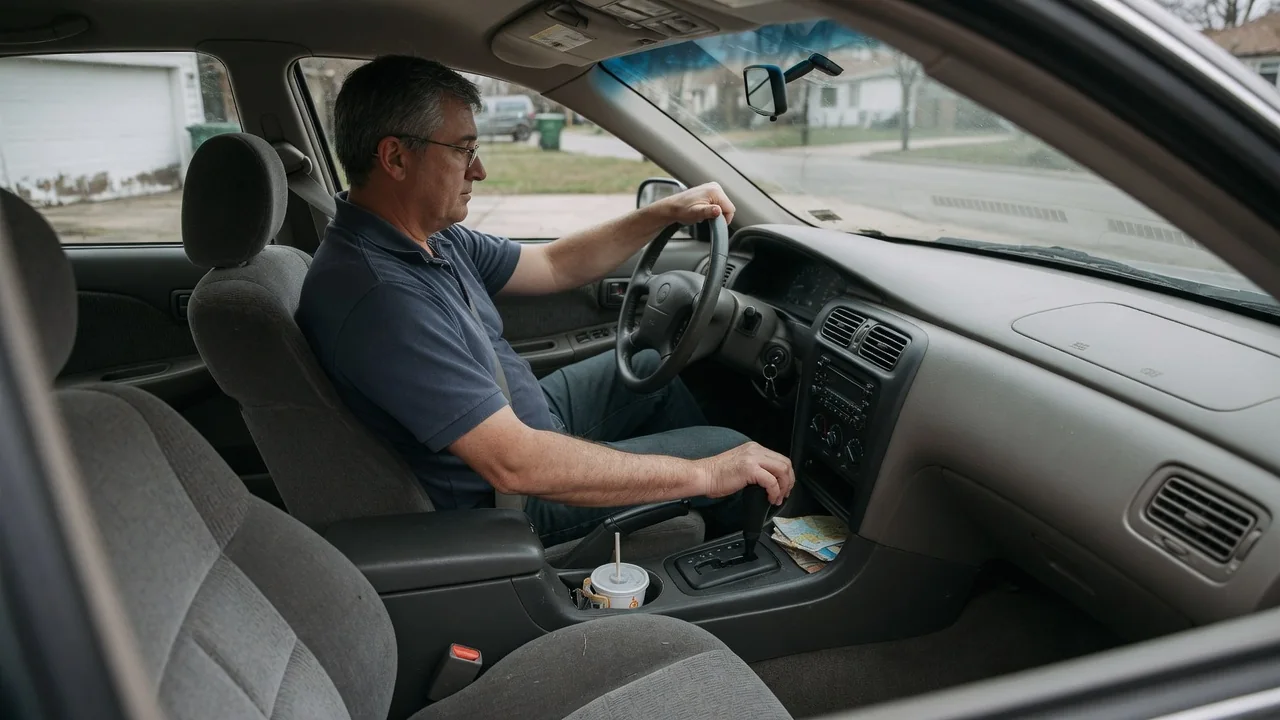
Anyone asking why does a car clunk when shifting into drive is usually hearing the drivetrain take up load. When the transmission engages, torque twists the engine and gearbox against their mounts and closes small gaps along the driveline. A soft thump can be ordinary, while a sharp or worsening knock deserves attention. The clues below help separate the two.
Mounts and slack
The engine and transmission sit on rubber or fluid-filled mounts that let the powertrain rock slightly while isolating vibration from the cabin. Selecting drive loads the assembly in one direction, and reverse loads it in the other. When the rubber has cracked, collapsed, or separated from its metal bracket, the powertrain travels farther than intended before something solid stops it. That contact is often heard as a single thud from the engine bay or beneath the floor, sometimes accompanied by a noticeable lurch felt through the seat.
Slack, often called driveline lash, is the other common source. Every gear mesh, spline, and joint between the transmission and the wheels needs a little clearance, and those clearances add together. On rear-wheel-drive vehicles, worn universal joints, a dry slip yoke, or differential gear play can produce a metallic clink as the driveshaft rotates a few degrees before meeting resistance. Front-wheel-drive cars route torque through axle shafts with constant velocity joints instead, so the layout of a particular vehicle shapes where the noise comes from and how it sounds.
Normal versus new sound
Many vehicles make a faint engagement bump from new, especially when idle speed is raised during a cold start, because the transmission applies a clutch against a faster-spinning engine. A muted thump that has always been present, feels the same every day, and disappears once the engine warms and idle settles is usually a characteristic rather than a defect. Trucks and performance cars with stiff mounts and heavy driveline components tend to transmit more of this sensation than softly isolated sedans do.
A change is the more meaningful signal. A noise that appeared recently, has grown louder over weeks, or now arrives with a delay between moving the selector and feeling the car engage points toward wear or a hydraulic issue rather than design. Sharp metallic knocks carry more weight than dull rubbery thuds, since metal contact suggests a joint or gear taking shock load. A clunk that repeats while accelerating and decelerating, not just at engagement, widens the list of suspects to include suspension bushings and axle components.
Service notes
A technician typically starts with basic checks before suspecting internal transmission damage. Fluid level and condition matter on transmissions that allow inspection, because low or degraded fluid can delay clutch application and then let it apply abruptly. Idle speed is also relevant, since an engine idling higher than it should will hit the driveline harder at engagement. With the vehicle safely raised, mounts are examined for torn rubber or leaked fluid, and the driveshaft or axles are checked by hand for rotational play.
Electronic diagnosis adds context on modern automatics, which rely on software to time and cushion each engagement. A stored fault code is evidence to interpret alongside symptoms, not proof that a particular part has failed, and manufacturer-specific codes need to be confirmed against information for that exact vehicle. Some harsh engagement complaints can be addressed through software updates or adaptation relearning rather than hardware, so checking for applicable service bulletins is reasonable. Fluid type and maintenance schedules differ widely, making the owner's manual the proper reference.
Everyday Use and Observations
Daily driving offers plenty of chances to gather useful detail. Note whether the clunk happens only on the first shift of the day or every time, and whether shifting into reverse produces the same sound. Compare flat ground with a slope, because parking on a hill without the parking brake set leaves the vehicle's weight resting on the parking pawl, and releasing it can cause a loud bang that has nothing to do with worn parts. Setting the brake before selecting park often removes that particular noise.
Location and feel also narrow things down. A thud that seems to come from the engine bay and coincides with visible engine movement leans toward mounts, while a clink from the rear of a truck or rear-drive car suggests driveshaft joints or differential lash. Pay attention to whether the car creeps before the noise or whether the noise arrives with a jolt. Recording a short video with sound, along with notes on temperature and conditions, gives a shop far more to work with than a description from memory.
Limits and Next Steps
Observation has limits. Several causes produce nearly identical sounds, and noise travels through the body structure in misleading ways, so pinpointing the source from the driver's seat is rarely reliable. Crawling under a vehicle supported only by a jack, or having someone power the engine against the brakes while another person watches closely, creates real danger and is best left to a shop with a lift and proper procedures. Internal transmission concerns in particular require pressure testing and scan data that home inspection cannot supply.
Urgency depends on the accompanying symptoms. A long-standing soft bump with no other change can usually wait for the next scheduled visit, mentioned to the service advisor. Prompt inspection makes sense when the clunk is growing, when engagement is delayed or slips, when vibration appears at speed, when fluid spots show up beneath the car, or when a warning light is on. A badly failed mount or loose joint can stress hoses, wiring, exhaust connections, and neighboring components, so early diagnosis generally keeps the eventual repair smaller.