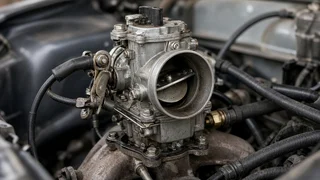
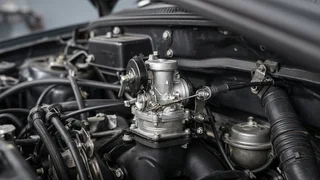
Classic car carburetor restoration

A classic car carburetor restoration is the process of returning the original fuel-metering unit to dependable mechanical condition while preserving its period-correct appearance. Over time, internal passages clog with varnish, gaskets shrink, throttle shafts wear, and the choke plate or control cable stops moving smoothly. Restoration goes beyond a quick cleaning because it addresses all of those interacting parts. For owners of vintage vehicles, the goal is a stable idle setting, correct air-fuel mixture through the entire throttle range, and reliable cold-start mixture behavior without converting the car to electronic fuel injection.
Essential answer
Classic car carburetor restoration is the careful disassembly, cleaning, inspection, and repair of a vintage fuel metering system so the engine receives the correct air-fuel mixture for starting, idling, and acceleration. On older vehicles, the carburetor depends on small passages, a float, linkage travel, and the choke plate working together. When any of those elements becomes worn or contaminated, driveability suffers. Restoration differs from replacement because it keeps the original casting, rebuilds it to usable condition, and often preserves the visual details that matter on a collector vehicle.
A proper restoration begins with understanding how the unit should behave when it is healthy. The throttle shaft and linkage travel must return to a stable idle setting without sticking or binding. The choke plate and its control cable must open progressively as the engine warms, changing the cold-start mixture from rich to normal. Inspecting each circuit, including the idle passages and main metering area, helps the owner or builder recognize whether a fault is mechanical wear, hardened gasket material, or contamination from old fuel.