Choosing a Torque Solution Turbo Blanket for Your Engine
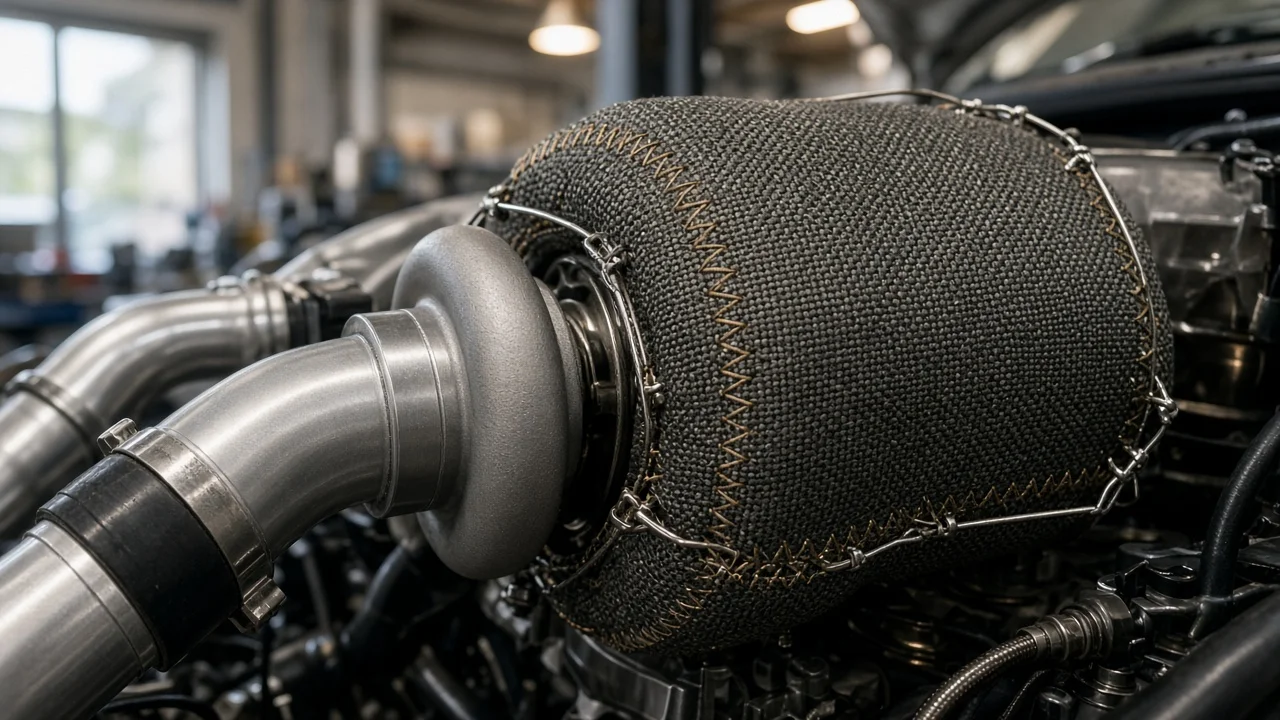
A turbo blanket is a simple part, but the wrong one wastes money and can hide problems you need to see. This guide covers how to pick a Torque Solution turbo blanket that fits your turbocharger, suits how you drive, and stays safe over time. It explains how to match the blanket to your engine configuration, how to judge features without relying on marketing language, and what inspection and upkeep a blanket adds.
Define the job the blanket must do
Start with the problem you want to solve. Most owners fit a turbo blanket to reduce radiant heat from the turbine housing. That helps protect nearby wiring, vacuum lines, intake plumbing, brake components and plastic covers. Some owners also want to keep more heat in the exhaust side or lower intake temperatures after heat soak in traffic. A daily driver that sits in stop-and-go heat has different priorities from a car that runs repeated track sessions. On the track, sustained exhaust temperatures and frequent removal for service matter more.
Separate symptom reports from verified problems before buying. A hot hood or a forum claim about heat soak is a symptom report. Melted loom, cracked boots, or logged intake air temperatures that climb under specific conditions are evidence. Note when the issue appears, such as after idling, after hard pulls or only in summer. If inspection shows an exhaust leak, a missing factory heat shield or an oil seep near the turbine, fix that first. A blanket reduces radiated heat. It does not repair the source of excess heat or a leak.
Check compatibility with your turbo and engine
Fitment depends on the turbocharger, not just the car. The same model can use different turbos across model years, trim levels and engine variants, and a previous owner may have swapped the turbo. Review the service history and read the tag or casting marks on the turbo housing to confirm what is actually installed. Torque Solution blankets are typically offered for specific turbo families or frame sizes, and for some applications by vehicle. Match that listing to the hardware in front of you rather than to the badge on the trunk.
Then check the interfaces. Turbine housing size and inlet flange type, such as a T3, T4 or V-band pattern, determine whether the blanket shape and openings line up. An internal wastegate needs room for the actuator rod and flapper arm. An external wastegate setup changes where the outlet and dump pipe sit. Divided or single-scroll housings, the downpipe connection, the oxygen sensor location, and the oil and coolant lines all affect whether the cutouts clear. Also check the space near the firewall, strut tower and intake pipe, because added thickness can cause contact on tightly packaged engines. If the listing does not clearly match your housing, measure it and ask the seller before ordering.
Features that affect the choice
Construction and fastening matter more than appearance. Look at what the insulating layers and outer cover are made of and how the edges are finished. Then check how the blanket is secured: springs, straps or safety wire. Spring retention is generally quicker to remove and refit. Safety wire can hold tightly but takes longer during service. Precut openings for the wastegate, sensors and studs reduce the need to modify the blanket. Cutting one yourself can let the insulation fray.
Treat performance language carefully. Temperature ratings are manufacturer specifications, so compare the stated figure to your application rather than assuming headroom. Claims about faster spool or lower underhood temperatures may hold in some setups, but they are not measurements of your engine. If those outcomes matter, log intake air temperature and any other available data before and after installation under similar conditions. Color options and finish labels are styling choices and say little about insulation or durability.
Limitations and ownership costs
Installation is usually straightforward but should only be done on a cold engine. You may need to remove a factory heat shield, the intake pipe or other parts for access. Budget for any hardware the kit does not include and for the time to route around sensors and lines without strain. Before fitting, clean the housing and fix any oil, coolant or exhaust leaks. An insulating blanket soaked with oil near a hot turbine is a fire risk.
A blanket also changes how you inspect the turbo. It covers the turbine housing, so cracks, exhaust leaks and seeping gaskets are harder to see. Plan to remove it periodically, and also whenever you notice an exhaust smell, oil smoke or a new noise. Check the blanket for oil contamination, fraying, broken springs and wear where it touches nearby parts, and replace it when the material is compromised. Trapped moisture can also contribute to corrosion of the studs and fasteners under the cover. Some owners worry that insulation raises housing or bearing temperatures. The effect varies by turbo design and setup, so follow the turbocharger maker's guidance and warranty terms where they address heat wraps.
Know what a blanket cannot do. It will not clear diagnostic codes for boost control, wastegate faults, misfires or sensor failures, and it does not reduce exhaust gas temperature at the source. It is a heat management accessory, not a repair for a turbo, intercooler or tuning problem.
Build a practical shortlist
Narrow your options with a short checklist. Confirm the exact turbo by part number, housing size, flange and wastegate type. Note the model year and engine variant if you are buying a vehicle-specific version. Verify that the cutouts match your actuator, sensor and line positions, and that the added thickness clears surrounding parts. Compare fastening methods against how often you expect to remove the blanket for service.
Next, compare stated temperature ratings and materials as manufacturer claims, not test results, and check whether mounting hardware is included. Review return and fitment policies in case the blanket does not seat correctly on your housing. Then factor in the inspection routine and eventual replacement cost. If two options both fit, choose the one that is easier to remove and inspect on your engine. Easy access is what stops a blanket from hiding leaks and cracks.