Choosing an OBD2 Scanner With EPB Service Mode
What an OBD2 scanner with EPB service mode does
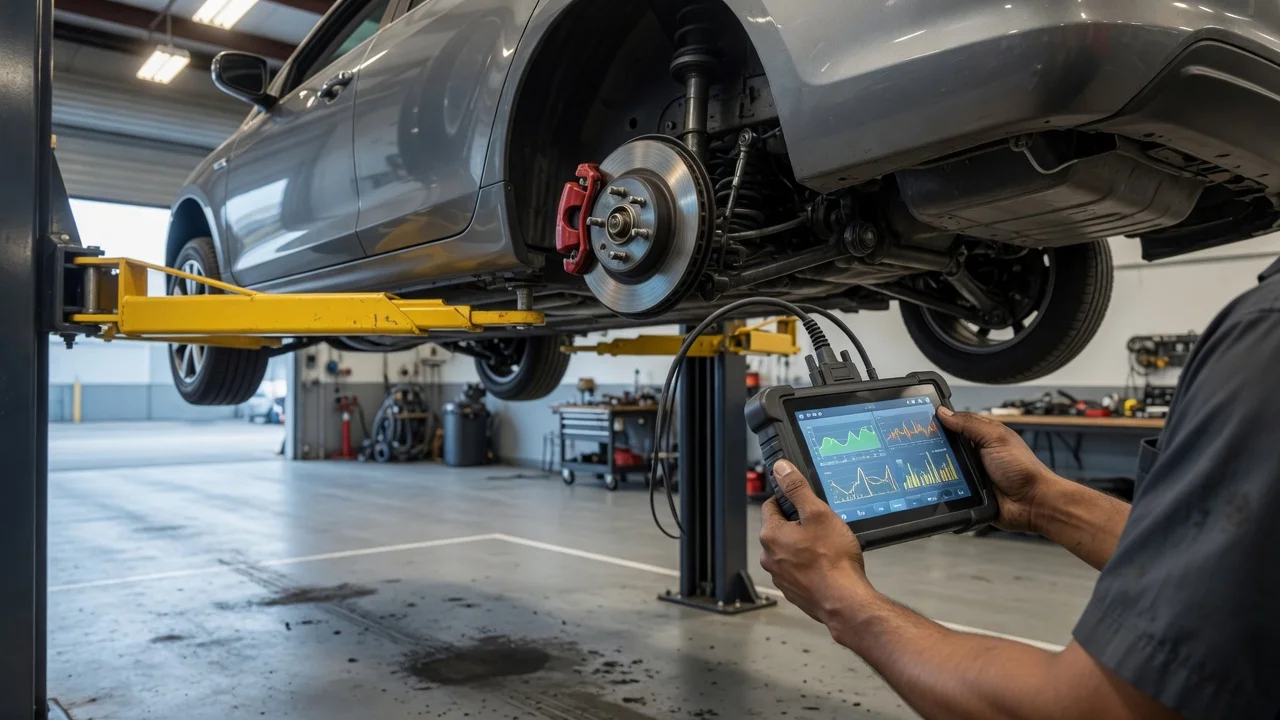
An OBD2 scanner with EPB service mode can electronically retract the parking brake calipers on vehicles equipped with an electric parking brake. This is usually required before replacing rear brake pads or rotors because the caliper pistons will not simply push back by hand. The scanner tells the parking brake module to wind the motors back, and after the repair it can also return the system to the service or closed position.
The answer to whether you need this feature depends on the vehicle. If the car has a conventional handbrake or foot-operated parking brake and cable-actuated rear calipers, a basic scanner is enough. If the car has an electric parking brake, sometimes called an electronic parking brake or EPB, a scanner with the correct service function is the practical way to retract the rear calipers. Some vehicles also allow a manual or workshop procedure without a scanner, but that is not universal and varies by model year, market, and brake control module.
Checks before you commit
Confirm the exact model year, market, trim, and powertrain before relying on a compatibility list. Scanner makers may list broad coverage, but EPB service functions are not standardized across every vehicle. A tool may perform the service on one generation of a model and not another, or it may require a different software package for another market.
Check which service operations you actually need. Rear pad replacement requires winding the calipers back, but some jobs also need parking brake initialization, brake fluid bleeding assistance, or adjustment after the pads are installed. A scanner may include EPB retraction but lack the follow-up calibration function, so read the supported service list rather than assuming one feature covers the whole repair.
Consider the total ownership cost, not only the advertised scanner price. Handheld tools are typically sold with free updates for a period and then may require a paid subscription to keep vehicle coverage current. Mobile adapters can have a lower initial hardware cost but may require an annual app subscription to unlock EPB and other service functions. Since advertised pricing and promotional bundles change frequently, treat any quoted price as an estimate for the market and date in which it appeared rather than a fixed completed-transaction price.
Options to compare
There are three common forms of OBD2 tool with EPB capability. A dedicated handheld scanner is self-contained and usually works without a phone or laptop, but it can be more expensive up front and updates may require a paid plan. A mobile phone adapter paired with an app can cost less initially and is easy to update, but the useful EPB function is often locked behind a subscription and operation depends on having a compatible phone or tablet. A professional or dealer-level tool is the most capable choice for a workshop that services many brands regularly, but it is the largest investment and is harder to justify for occasional home use.
For a private owner replacing rear brakes on one or two household vehicles once every few years, the practical priority is confirmed coverage for those exact vehicles, not the longest feature list. A mid-range handheld or a mobile adapter with one-time or short-term access to the EPB service may be sufficient if the vehicle is clearly supported. For a shop or someone working on multiple makes, broader bidirectional control, regular updates, and reliable support matter more than the lowest purchase price.
What the decision should hinge on
The most important purchase check is verified compatibility with the specific vehicle, including the parking brake control module. The second is whether the tool performs the complete service sequence needed for the job, not just one retraction command. After that, compare update policy and total cost over the expected ownership period. A scanner that seems inexpensive can become less attractive if the required subscription renews annually, while a more expensive handheld may be simpler and cheaper if it covers the vehicle with included updates for several years.
No scanner purchase should be made solely on a title or a broad marketing claim such as universal EPB support. Ask for the exact function list for the vehicle, and if the information is not clear, treat the uncovered model and service operation as a gap until it is confirmed.