Choose Lucas synthetic CVT transmission fluid
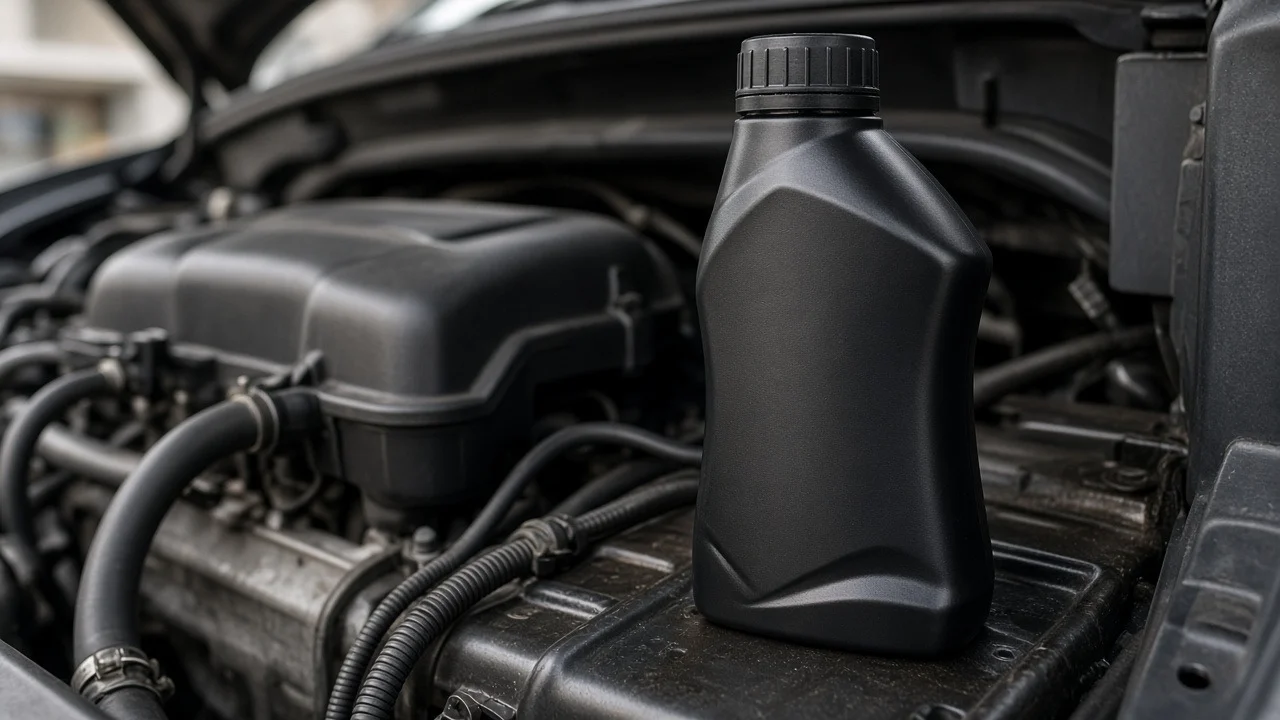
Choosing Lucas synthetic CVT transmission fluid in the one-gallon size begins with confirming that your vehicle calls for a continuously variable transmission lubricant meeting the appropriate specification. A bulk container can be practical when a drain-and-fill session, service interval, or shared garage stock makes the fill quantity useful. Before buying, check the owner's manual or transmission dipstick tag for the required lubricant specification and manufacturer approval. Fluid condition and level also matter because fresh fluid cannot correct a mechanical problem.
The direct answer
The immediate answer is that Lucas Oil 1 gallon synthetic CVT transmission fluid is a candidate when the vehicle manufacturer permits a synthetic CVT fluid meeting the stated performance requirements. The one-gallon format tends to suit a typical drain-and-fill service without forcing you to store a partly used larger container, yet it may be more than a smaller transaxle needs. Confirm the exact fill quantity before opening the jug because many CVT designs displace only part of their total capacity during a pan or drain service.
A full flush, a pan drop with filter replacement, and a simple spill-and-fill can require different amounts, and the correct level check procedure is essential after refilling. Some transmissions are checked at operating temperature with the engine running, while others require a scan tool or a specific gear position. Buying a full gallon still makes sense if you anticipate a follow-up drain-and-fill or if multiple vehicles in the household can use the same approved fluid. The container size should follow your actual service need, not an assumption of total capacity.
Choosing and buying
Before committing to the purchase, verify that the front label identifies the fluid as intended for continuously variable transmissions rather than a conventional automatic transmission fluid. CVT hardware relies on specific friction behavior between the belt or chain and the pulleys, so an incorrect additive package can produce shudder, slip, or overheating under load. The manufacturer approval or stated compatibility list should be checked against your owner's manual because equipment identification for CVTs can vary by model year even within the same vehicle family.
The service interval is another practical check. If the fluid has darkened, smells burnt, or the transmission has begun to feel hesitant, one drain-and-fill may improve fluid quality but cannot reverse worn valve body components or a damaged belt. The gallon container supports the common approach of a partial fluid exchange followed by a short drive and another exchange if the old lubricant was severely degraded. This staged method helps bring the lubricant closer to fresh condition without introducing an aggressive flush that may disturb debris.
Comparing alternatives
When comparing Lucas synthetic CVT transmission fluid with other products, the most useful decision criteria are the stated compatibility and the specific performance standard referenced on the bottle. Some fluids are marketed for a narrow list of Asian or European transaxles, while others claim broader coverage. Broader coverage is not automatically better; a fluid tuned for a specific pulley and chain arrangement may provide more consistent shift feel than a universal product that must balance many frictional requirements.
Trade-offs also include price per quart, container convenience, and whether the fluid is stocked locally when you need to complete a service. A higher-priced fluid may be justified if it carries the exact approval your transmission requires, but a less expensive alternative with an equivalent public specification can be practical for a routine drain-and-fill. The one-gallon Lucas option becomes most attractive when the required fill quantity aligns with the container size and you plan to maintain the same fluid across future interval services.