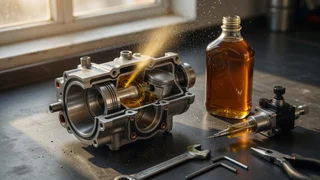
Choose Itasca 2-cycle engine oil
Choosing the right oil for an Itasca 2-cycle engine starts with a practical question: which lubricant will protect the engine without creating hard deposits or excessive exhaust smoke? The answer depends on the machine's intended use, its factory recommendation, and the way oil is delivered to the moving parts. A commercial search for “itasca 2 cycle engine oil” often brings up products that are not all equal once you look at their lubricant specification, application type, and mix performance. The safest choice is a premium 2-cycle oil that meets the temperature and load conditions of your equipment, and it is reasonable to focus on air-cooled engine oils similar to JASO FD rather than water-cooled outboard formulas. This article explains what to check before buying, how to interpret fill quantity and condition issues, and why the right base oil matters more than brand familiarity.
The direct answer
For most Itasca equipment, the direct answer is to select a modern, ashless or low-ash 2-cycle engine oil designed for air-cooled small engines, unless the owner's manual names a different lubricant specification for water-cooled or high-output use. That is not a universal rule. An older machine may have been developed around mineral oil, while a high-performance unit can benefit from a synthetic blend. The material change is that oil must remain fluid at the storage temperature, mix quickly with gasoline when premixing is required, and leave minimal carbon on the piston crown and exhaust port.
The immediate question should also account for the oil delivery method. If the engine uses a separate oil reservoir, a clean level check and consistent oil consumption are clues that the injection system is functioning. With a premix engine, the measured fill quantity for the tank should be matched to the oil ratio printed by the manufacturer. No fault code or warning light proves that an internal bearing has failed; it only directs attention to a lubrication or sensor circuit that needs diagnosis. A smoky start can be normal for a cold 2-cycle, but heavy continuous smoke after warmed operation may point toward the wrong oil, a rich mixture, or a mechanical issue.
Choosing and buying
Before committing to a purchase, narrow the options by service duty and manufacturer approval. A light-use trimmer may operate safely on a general air-cooled 2-cycle oil, while sustained high-speed use in hot weather calls for a product with strong thermal stability. Look for a lubricant specification such as JASO FD rather than choosing only by color or smell. Clear language like “low smoke formula” is not a specification; performance ratings on the bottle provide a more consistent basis. If no owner's manual is available, use a known JASO FD-rated product intended for the same class of small engine.
Buy the size that matches how quickly you use the fuel. Leaving a large container partially open can draw moisture and reduce the oil's ability to stay suspended in gasoline. Also consider the fill quantity you actually need for one season. A fresh quart can be more useful than a gallon that sits for years, especially if the equipment sees only occasional service. The lubrication choice is part of a broader ownership decision: inconsistent mixing, unknown oil age, or changing from mineral to synthetic without cleaning can create operating problems that look like the engine wearing out. A consistent, correctly mixed oil source removes one variable from diagnosis.
Comparing alternatives
When comparing alternatives, think about how the oil responds in your equipment's oiling system. A synthetic or synthetic-blend oil generally offers better resistance to high-temperature breakdown than conventional mineral oil, which can matter in a small air-cooled engine with limited cooling. The trade-off is cost and availability. In some older engines, a high-detergency or heavily modified oil can loosen existing carbon, so the change may produce temporary fouling. A straightforward comparison for most owners is premium conventional versus synthetic blend in the correct service category, with the final call based on temperature, load, and whether the engine is stored unused for weeks.
Do not judge the oil by exhaust odor alone. A satisfactory JASO FD product can still produce visible blue smoke at cold start because residual oil in the crankcase burns off. The meaningful comparison is whether spark plug fouling, deposit formation on the exhaust port, and piston-ring sticking remain controlled over your normal run time. If one candidate resists separation in cold fuel and maintains its film strength under sustained throttle, it is usually a better fit than a vaguely labeled “2-cycle oil.” Manufacturer approval or an explicit application rating is the most useful tiebreaker when several options look similar on the shelf.