Choose Ford Transit transmission fluid
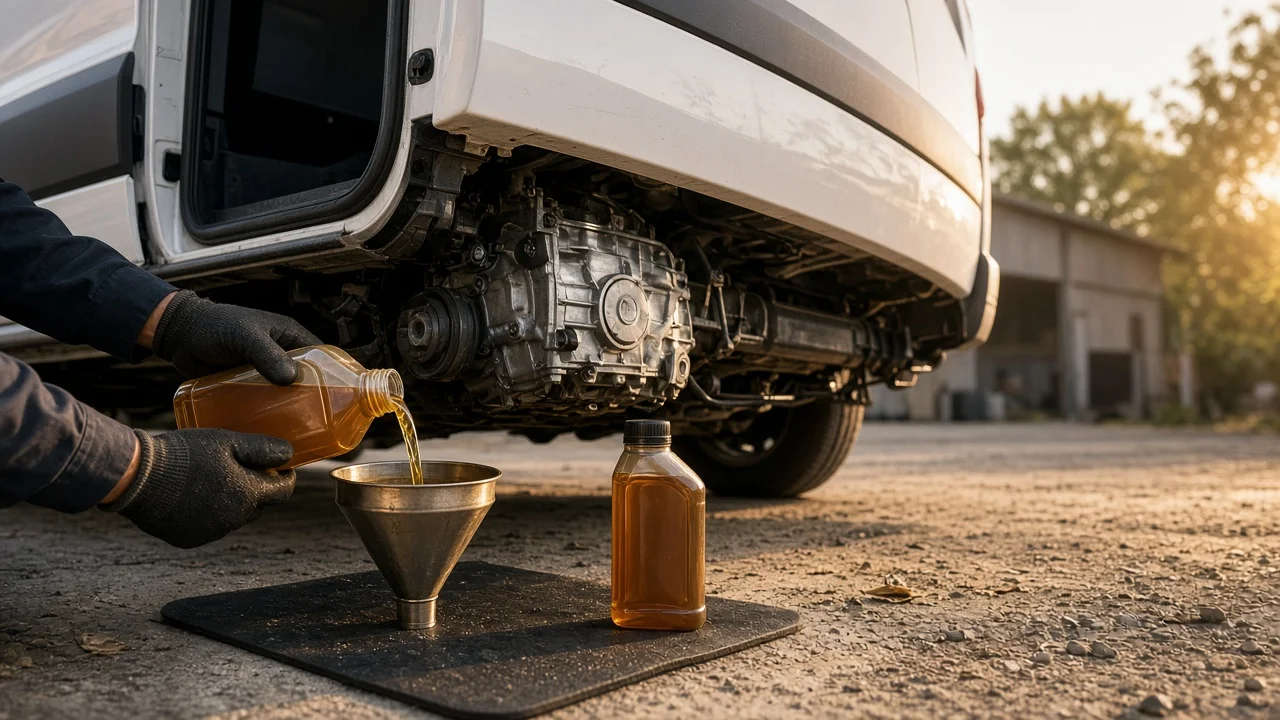
Selecting the right Ford Transit transmission fluid means matching the lubricant to the exact transmission fitted to your van and the driving conditions it sees. The Ford Transit line has used different automatic and manual gearboxes across model years, markets, and engine choices, so a single fluid cannot cover every application. Using the correct fluid protects shift quality, hydraulic function, cooling, and long-term wear resistance. The decision starts with confirming your transmission type and then checking the approved specification rather than choosing by brand or price alone.
Essential answer
The essential first step is to identify which transmission your Transit has, because fluid requirements follow transmission design rather than the Transit name alone. Automatic units need a fluid that serves as hydraulic oil, torque converter medium, gear lubricant, and heat transfer fluid. Manual gearboxes are usually more dependent on gear oil viscosity and synchronizer compatibility. A commercial van may also have a dual-clutch or automated manual, further changing the approved chemistry.
Once the transmission type is known, the safe choice is a fluid meeting the manufacturer-approved specification for that exact unit and model year. The owner’s manual, a dealer parts lookup, or a service data plate can provide this reference. Shift behavior and service history may suggest whether a drain-and-fill or a more complete exchange is appropriate, but the replacement fluid should still remain within the approved range. An observed transmission fault code does not by itself prove that fluid caused the problem.
Relevant alternatives
When comparing alternatives, the practical distinction is usually between an OE-branded product and a licensed aftermarket fluid that lists the same specification. A suitable aftermarket option can perform well if it carries the correct approval for the transmission generation and is used consistently. Price differences should not override chemistry requirements, especially in automatic gearboxes where additive packages influence clutch engagement, seal compatibility, and shudder control under load.
Fitment varies enough that two Transit vans built only a few years apart may require different fluids. A van used for loaded delivery work or frequent stop-and-go driving may benefit from more conservative service intervals, but that does not change the basic fluid specification. Where drain intervals or overhaul options are being weighed, the best decision is the fluid that matches the transmission’s documented requirement and supports clean, consistent shifts under the owner’s normal operating conditions.